How Serviced Accommodation Supports Work-Life Balance While Travelling
23 Apr, 2026
1948 Views 0 Like(s)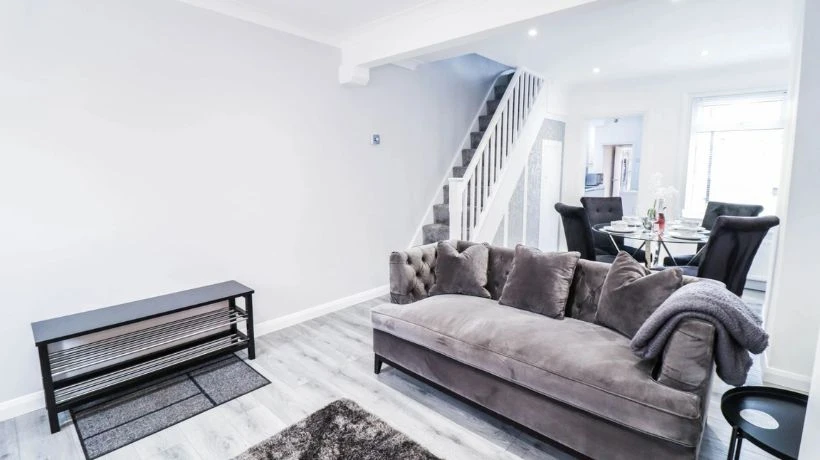
Learn how serviced accommodation helps business travellers stay productive, relaxed, and balanced while working away from home.
Travelling for work often sounds exciting, but the reality can feel very different. Long hours, unfamiliar environments, and constant movement can quickly blur the line between professional responsibilities and personal well being. This is where serviced accommodation plays a quiet but powerful role in restoring balance.
Unlike traditional hotel stays, serviced accommodation offers a more flexible and comfortable living experience. It is designed not just for sleeping, but for living, working, and unwinding in a natural way. For professionals, contractors, and remote workers, this difference matters more than ever.
A Space That Feels Like Home
One of the biggest challenges of work travel is the lack of familiarity. Standard hotel rooms often feel temporary and impersonal. Serviced accommodation, on the other hand, provides a home like setting with separate living areas, fully equipped kitchens, and more space to relax.
Having a comfortable place to return to after a long day helps reduce stress. It allows travellers to settle into a routine, which is essential for maintaining both mental clarity and emotional balance. Something as simple as cooking your own meal or sitting in a living room instead of on a bed can make a noticeable difference.
Flexibility That Matches Your Schedule
Work travel rarely follows a predictable pattern. Early starts, late finishes, and changing plans are common. Serviced accommodation offers flexibility that supports this lifestyle.
With features like self check in, flexible stay durations, and no rigid hotel schedules, travellers can manage their time more effectively. This flexibility creates space for personal moments, whether it is a morning walk, a workout, or simply time to relax without pressure.
Better Support for Remote Work
As remote work becomes more common, the need for a productive environment while travelling has increased. Serviced accommodation is often equipped with reliable internet, dedicated workspaces, and quiet surroundings.
This setup helps maintain focus and productivity without the distractions often found in busy hotel environments. Being able to work comfortably from your accommodation reduces the need to search for external workspaces, saving time and energy.
Encouraging Healthy Daily Routines
Maintaining healthy habits while travelling can be difficult. Eating out frequently, irregular sleep, and lack of personal space can disrupt routines quickly.
Serviced accommodation supports healthier choices. Access to a kitchen allows for home cooked meals. Extra space makes it easier to exercise or unwind. Having a washing machine and storage space helps keep daily life organised. These small factors contribute significantly to overall well being.
Cost Efficiency Without Compromise
While work life balance is the priority, budget considerations are always important. Serviced accommodation often provides better value for longer stays compared to hotels.
The ability to cook meals, share spaces with colleagues, and avoid additional hotel costs helps reduce expenses. This financial efficiency can ease work related stress and allow travellers to focus more on their tasks and less on daily spending.
Creating a Clear Boundary Between Work and Rest
One of the most overlooked aspects of work travel is the lack of separation between work and personal time. In a hotel room, the bed, workspace, and relaxation area are often the same.
Serviced accommodation offers distinct spaces for different activities. You can work at a table, relax in a living area, and sleep in a separate room. This physical separation helps create mental boundaries, which are essential for maintaining a healthy work life balance.
Conclusion
Work travel does not have to come at the cost of personal well being. Serviced accommodation offers a practical solution that supports both productivity and relaxation. With more space, flexibility, and comfort, it allows travellers to maintain routines, reduce stress, and feel more in control of their time.
For anyone spending extended periods away from home, choosing the right type of accommodation can make a significant difference. Serviced accommodation is not just a place to stay, it is a way to live better while working on the move.
Frequently Asked Questions
1. What is serviced accommodation?
Serviced accommodation refers to fully furnished properties available for short or long stays, offering facilities like kitchens, living spaces, and housekeeping.
2. How does serviced accommodation improve work life balance?
It provides more space, flexibility, and comfort, helping travellers maintain routines, reduce stress, and separate work from personal time.
3. Is serviced accommodation better than hotels for business travel?
For longer stays, it often offers better value, more privacy, and a more comfortable living environment compared to standard hotel rooms.
4. Can you work remotely from serviced accommodation?
Yes, most serviced accommodations include reliable internet and suitable workspaces, making them ideal for remote work.
5. Who benefits most from serviced accommodation?
Contractors, business travellers, remote workers, and teams on extended assignments benefit the most from this type of stay.



Comments
Login to Comment