How Painful Is FUSS Hair Transplant Procedure Really?
18 Jun, 2026
1314 Views 0 Like(s)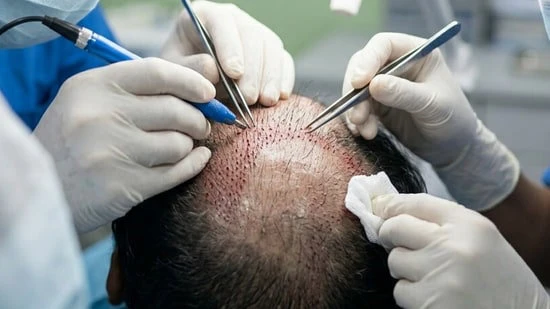
FUSS Hair Transplant in Dubai at Dynamic Life Clinics offers a reliable strip method for restoring natural hair growth and improving scalp coverage.
Hair restoration has become a trusted solution for individuals experiencing significant hair loss and thinning. Among the available techniques, the strip method remains widely known for delivering strong graft yield and natural results. Many patients considering FUSS Hair Transplant in Dubai are mainly concerned about pain during and after the procedure. Understanding the actual discomfort level helps set realistic expectations and reduces unnecessary anxiety before treatment begins.
Understanding FUSS Hair Transplant
FUSS (Follicular Unit Strip Surgery) is a surgical hair transplant technique where a thin strip of scalp is removed from the donor area, usually the back of the head. Hair follicles are then extracted from this strip and implanted into thinning or bald areas. It is known for providing a high number of grafts in a single session for better coverage.
How the Procedure Is Performed
The procedure begins with local anesthesia applied to the donor and recipient areas to minimize discomfort. A strip of scalp is carefully removed, and the donor site is stitched. The extracted follicles are then prepared and implanted into targeted areas. Throughout the process, patients remain awake but feel minimal pain due to numbing medication.
How Painful Is FUSS Hair Transplant Procedure Really?
FUSS hair transplant is generally not described as painful during the procedure because local anesthesia effectively numbs the scalp. Most patients report only mild pressure or tugging sensations rather than pain. After the procedure, some discomfort may occur in the donor area due to stitches, but it is usually manageable with prescribed medication.
Pain Levels During the Procedure
- Local anesthesia significantly reduces sensation in treated areas
- Patients may feel pressure but not sharp pain
- The strip removal process is generally well tolerated
- Implantation phase is comfortable for most individuals
- Continuous numbing ensures minimal discomfort throughout
Pain Levels After the Procedure
After the anesthesia wears off, mild to moderate discomfort may occur in the donor area. This is mainly due to tightness or stitches rather than severe pain. The recipient area typically feels less sensitive. Any discomfort usually improves within a few days with proper aftercare and medication.
Factors That Influence Pain Experience
Pain tolerance varies from person to person, and several factors influence the level of discomfort experienced. Surgical technique, surgeon skill, and proper anesthesia application all play a major role. Patients who follow aftercare instructions properly usually experience smoother recovery with less discomfort overall.
Recovery Sensations and Healing Process
During recovery, patients may experience tightness, mild swelling, or slight soreness in the donor area. These sensations are temporary and part of the normal healing process. As the scalp heals, discomfort gradually reduces, and most individuals return to routine activities within a few days to a week.
Pain Management After FUSS Procedure
Pain after FUSS hair transplant is usually managed effectively with prescribed medications. Doctors may recommend pain relievers and antibiotics to reduce discomfort and prevent infection. Proper sleeping position and avoiding pressure on the scalp also help minimize pain during the early healing phase.
Tips to Reduce Discomfort
- Follow all post-procedure instructions carefully
- Take prescribed medications on time
- Avoid touching or scratching the treated area
- Sleep with head elevated for better comfort
- Stay hydrated to support faster healing
Comparison With Other Hair Transplant Methods
Compared to other techniques, FUSS may involve slightly more post-operative discomfort due to the donor strip and stitches. However, modern anesthesia techniques ensure that the procedure itself is nearly painless. Many patients still prefer it due to its efficiency in providing a higher number of grafts in one session.
Psychological Aspect of Pain Perception
Pain perception is often influenced by anxiety and expectations. Patients who are well-informed about the procedure usually report lower discomfort levels. Understanding each step of the process helps reduce fear, making the overall experience more comfortable and manageable.
FAQ’s
Is FUSS hair transplant painful during surgery?
No local anesthesia ensures minimal pain during the procedure.
How long does post-procedure pain last?
Mild discomfort usually lasts a few days after surgery.
Is the donor area painful?
There may be mild tightness or soreness in the donor area.
Can pain be managed easily?
Yes pain is controlled with prescribed medications and care.
Is FUSS more painful than other methods?
It may involve slightly more recovery discomfort but is still manageable.
Conclusion
FUSS hair transplant is not considered a painful procedure due to the use of local anesthesia and advanced surgical techniques. While mild post-operative discomfort may occur in the donor area, it is temporary and easily manageable with proper care. Overall, FUSS Hair Transplant in Dubai offers a safe and tolerable experience for individuals seeking effective and long-lasting hair restoration results.

Comments
Login to Comment