How Milling Cutters Impact Speed, Accuracy, and Overall Output
27 Mar, 2026
3924 Views 0 Like(s)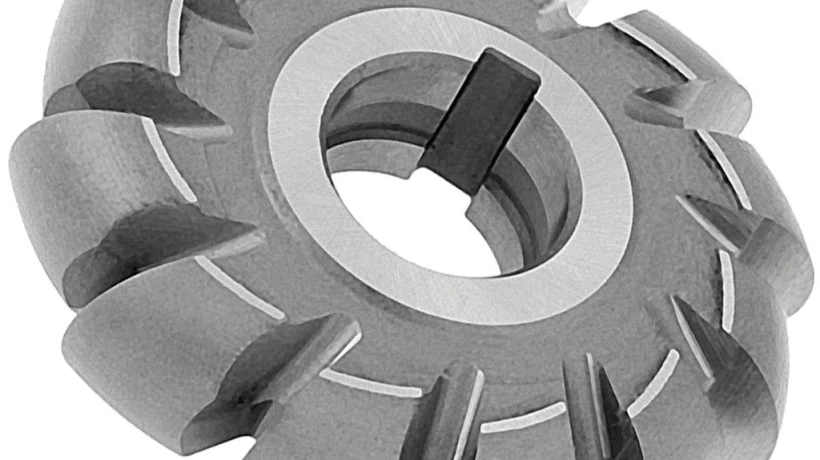
Milling cutters play a crucial role in determining machining efficiency, precision, and overall productivity. The right cutter selection can significantly reduce errors, improve surface finish, and enhance output in modern manufacturing processes.
In modern manufacturing, machining efficiency is defined by how well a process balances speed, accuracy, and output. Industries such as automotive, aerospace, heavy engineering, and precision tooling rely heavily on milling operations to produce high-quality components. While machines and software often receive most of the attention, one critical factor quietly determines performance on the shop floor—the choice of milling cutters.
The right cutting tool can significantly improve machining speed, maintain tight tolerances, and increase production output. On the other hand, poor tool selection can lead to slow cycles, dimensional errors, and frequent downtime. Understanding how milling cutters influence these three key areas is essential for any manufacturer aiming to stay competitive.
The Relationship Between Tooling and Machining Performance
Milling is a material removal process where a rotating cutting tool shapes the workpiece. The efficiency of this process depends not only on machine capability but also on the design, material, and condition of the cutting tool.
High-quality milling cutters are engineered to perform under demanding conditions. Their geometry, edge sharpness, and coating determine how smoothly material is removed and how stable the cutting process remains. When tools are optimized, they enable faster machining, better accuracy, and consistent production results.
Impact on Machining Speed
Speed is a major factor in productivity. Faster machining cycles mean more components produced in less time, directly affecting profitability. However, increasing speed without proper tooling can lead to tool wear, overheating, and poor surface finish.
Advanced milling cutters are designed to handle higher cutting speeds and feed rates. Their optimized geometry reduces cutting resistance, allowing machines to operate efficiently without excessive load. Features such as sharp cutting edges and effective chip evacuation help maintain stable cutting even at high speeds.
In addition, modern coatings reduce friction and heat generation, enabling tools to sustain performance during high-speed operations. This allows manufacturers to shorten cycle times without compromising quality.
Influence on Accuracy and Precision
Accuracy is essential in machining, especially for components that must fit and function within tight tolerances. Even small deviations can result in assembly issues, performance problems, or product rejection.
Milling cutters play a direct role in maintaining dimensional accuracy. Precision-ground tools with consistent geometry ensure that each cut follows the intended path. This reduces variations in part dimensions and improves repeatability across production batches.
Tool stability is another important factor. Poor-quality tools may cause vibration or deflection during cutting, leading to inaccuracies. High-performance milling cutters are designed to minimize these issues, ensuring smooth and controlled machining.
Accurate tools also produce better surface finishes, reducing the need for secondary operations such as grinding or polishing.
Effect on Overall Production Output
Output is the combined result of speed, accuracy, and operational efficiency. A well-optimized machining process produces more parts in less time while maintaining quality standards.
Reliable milling cutters contribute to higher output by reducing interruptions. Tools with longer life require fewer replacements, minimizing machine downtime. Consistent cutting performance ensures that production runs smoothly without frequent adjustments.
When tools perform efficiently, operators can focus on maintaining workflow rather than troubleshooting problems. This leads to improved productivity and better utilization of machinery.
Tool Material and Its Role in Performance
The material of the cutting tool has a significant impact on speed, accuracy, and output. High-speed steel tools offer good toughness and are suitable for general applications. However, carbide tools provide higher hardness and better heat resistance, making them ideal for high-speed and high-volume machining.
Carbide milling cutters maintain their cutting edge for longer periods, allowing consistent performance even under demanding conditions. This reduces tool wear and ensures stable machining over extended production cycles.
Choosing the right tool material based on the application is essential for achieving optimal results.
Importance of Tool Geometry and Design
Tool geometry affects how efficiently material is removed and how stable the cutting process remains. Factors such as helix angle, flute design, and cutting edge shape influence chip flow, cutting forces, and surface finish.
Optimized geometry allows for smoother cutting, reducing vibration and improving accuracy. Efficient chip evacuation prevents clogging and overheating, which can otherwise slow down machining and damage the tool.
By selecting milling cutters with the right design, manufacturers can achieve better performance across all aspects of machining.
Reducing Downtime and Increasing Efficiency
Downtime is one of the biggest challenges in manufacturing. Frequent tool changes, breakage, or poor performance can disrupt production and reduce output.
High-quality milling cutters are designed for durability and reliability. Their resistance to wear and heat ensures longer tool life, reducing the need for frequent replacements. This keeps machines running for longer periods and improves overall efficiency.
Stable tools also reduce the chances of unexpected failures, allowing manufacturers to maintain consistent production schedules.
Compatibility with Modern CNC Systems
Modern machining environments rely heavily on CNC technology for precision and automation. Cutting tools must be capable of performing consistently under these controlled conditions.
Milling cutters designed for CNC applications offer predictable performance, enabling accurate execution of programmed operations. Their reliability supports automated processes, reducing the risk of errors and ensuring consistent output.
As manufacturing becomes more automated, the importance of high-performance tooling continues to grow.
Long-Term Benefits for Manufacturers
Investing in quality cutting tools provides long-term advantages beyond immediate performance improvements. Manufacturers benefit from:
- Higher production efficiency
- Reduced scrap and rework
- Lower maintenance and tooling costs
- Improved product quality
- Better customer satisfaction
Although premium tools may involve higher initial costs, their contribution to productivity and reliability makes them a valuable investment.
Conclusion
Milling operations are at the core of modern manufacturing, and the performance of these operations depends heavily on the tools used. Milling cutters influence every aspect of machining, from speed and accuracy to overall production output.
By choosing high-quality tools with the right material, geometry, and coatings, manufacturers can achieve faster machining cycles, precise results, and consistent production performance. In a competitive industrial environment, the right tooling is not just a support element—it is a key driver of efficiency and success.
Ultimately, improving machining outcomes often starts with a simple but powerful decision: selecting the right milling cutters.


Comments
Login to Comment