How Honest Are Dating App Reviews When It Comes to Finding Genuine Matches?
03 Jun, 2026
1515 Views 0 Like(s)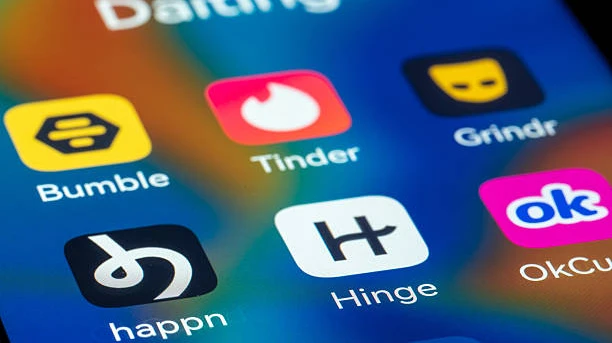
Dating app reviews often reflect personal emotions more than actual platform performance, which is why tinder reviews, hinge reviews, and bumble reviews can feel so conflicting.
When people search for dating app reviews, they are usually trying to understand one simple thing. Do these apps actually help in finding real, genuine relationships, or are they mostly designed for casual swiping and endless profiles with little real connection? In today’s digital dating world, platforms like Tinder, Hinge, and Bumble dominate the online dating space, but opinions about them vary widely depending on who you ask.
Some users describe dating apps as life changing tools that helped them meet long term partners. Others call them frustrating, superficial, or filled with inactive profiles and mismatched expectations. This is exactly why tinder reviews, hinge reviews, and bumble reviews are so heavily searched online. People want clarity before investing time, effort, and emotional energy into platforms that can sometimes feel unpredictable.
The real question is not just whether dating apps work, but whether the reviews people read about them are actually honest and useful for finding genuine matches. The answer is more complex than a simple yes or no. Dating app reviews often reflect personal experiences, emotional outcomes, and user expectations rather than the actual mechanics of how these platforms function.
This article explores how honest dating app reviews really are, what they reveal about real relationships, and how users can interpret them more effectively before choosing the right platform.
Why Dating App Reviews Matter So Much Today
Dating apps have become one of the most common ways people meet new partners. Traditional social introductions have shifted heavily toward digital platforms, making dating app reviews an important source of guidance for new users.
People rely on reviews because they want to avoid wasting time on platforms that do not match their goals. Someone looking for serious relationships may prefer Hinge, while others who want casual connections might explore Tinder or Bumble. Reviews help users decide where they should invest their attention.
However, dating app reviews are not always neutral or objective. They are often influenced by personal experiences, emotional outcomes, and individual expectations. A user who had a bad breakup may leave negative reviews, while someone who found a long term partner may leave overly positive feedback.
This emotional influence is what makes dating app reviews both helpful and misleading at the same time.
How Tinder Reviews Shape Expectations
Most tinder reviews focus on first impressions rather than long term success. Many users comment on swiping fatigue, match quality, or communication difficulties.
Tinder is known for its fast paced swipe system, which gives users a large number of potential matches. This design makes it easy to start conversations but also leads to shallow interactions for many users.
Positive tinder reviews often highlight the app’s wide user base and high activity levels. Because so many people use the platform, users feel they have more chances to connect with others.
Negative reviews, however, often mention repetitive profiles, ghosting, and difficulty turning matches into real conversations. Many users feel that initial attraction does not always translate into meaningful communication.
These mixed experiences make tinder reviews useful but not always fully reliable when predicting long term relationship success.
What Hinge Reviews Reveal About Serious Dating Intentions
Compared to other platforms, hinge reviews are often more focused on relationship quality rather than casual matching.
Hinge markets itself as an app designed to be deleted, meaning it focuses on helping users find long term partners instead of endless swiping.
Many hinge reviews highlight deeper profile structures, prompts, and conversation starters. Users often report that matches feel more intentional and meaningful compared to swipe based platforms.
However, even hinge reviews show that success depends heavily on user effort. Some people create detailed profiles but still struggle to find compatible matches due to location, preferences, or limited user activity in their area.
This shows that even relationship focused platforms are not guaranteed solutions for finding genuine matches.
Bumble Reviews and the Reality of Communication Dynamics
Bumble reviews often focus on its unique communication system, where women initiate conversations first in heterosexual matches.
Bumble is frequently praised for creating a more controlled and respectful messaging environment. Many users feel that this reduces unwanted messages and improves overall interaction quality.
Positive bumble reviews highlight safer communication, better conversation quality, and more intentional matching behavior. Users often appreciate the structure because it encourages meaningful engagement instead of random messaging.
Negative reviews usually mention expired matches when no one starts the conversation within the time limit. Some users also feel that the pressure to initiate conversations reduces engagement in certain situations.
These contrasting opinions show that bumble reviews depend heavily on user communication style and expectations.
Why Dating App Reviews Often Conflict With Each Other
One of the biggest challenges with dating app reviews is that they reflect individual experiences rather than universal outcomes.
Two users can use the same app in the same city and still have completely different results. One may find multiple meaningful matches, while another may struggle to get responses.
Several factors influence these differences, including location, age group, profile quality, photos, messaging style, and even timing of app usage.
Because of this, dating app reviews often contradict each other. This is not necessarily because one is false, but because dating outcomes are naturally inconsistent.
Understanding this is important before relying too heavily on any single review.
Are Dating App Reviews Actually Honest?
Honesty in dating app reviews depends on how the review is written and the intention behind it.
Some reviews are honest personal experiences shared without bias. These are usually detailed and explain both positive and negative aspects clearly.
Other reviews are emotionally driven. A user who had repeated ghosting experiences may describe an app as useless, even though others are successfully using it. Similarly, someone who found a relationship may describe the app as perfect, ignoring its limitations.
There are also promotional reviews created for marketing purposes. These often exaggerate benefits while downplaying weaknesses.
This means dating app reviews should be read critically rather than taken as absolute truth.
What Reviews Really Say About Genuine Matches
When analyzing tinder reviews, hinge reviews, and bumble reviews together, a clear pattern emerges. Genuine matches are possible on all platforms, but success depends less on the app itself and more on user behavior.
Many reviews highlight that profile quality plays a major role in attracting meaningful matches. Clear photos, honest bios, and thoughtful conversation starters significantly improve interaction quality.
Reviews also suggest that consistency matters. Users who engage regularly, respond thoughtfully, and invest time in conversations are more likely to form real connections.
This shows that dating apps are tools rather than guarantees. The outcome depends on how they are used.
Why Location Matters More Than Most Reviews Admit
One factor often overlooked in dating app reviews is location.
In large cities, users usually find more active profiles, higher match rates, and better engagement. In smaller towns or less populated areas, users may experience limited options regardless of the app they use.
This explains why some reviews describe apps as highly effective while others describe them as ineffective. The difference is often not the platform but the environment in which it is used.
How Algorithm Behavior Influences User Experience
Modern dating apps use algorithms to suggest matches based on activity, preferences, and engagement patterns.
Many users do not realize how much this affects their experience. Dating app reviews sometimes mention sudden drops in matches or inconsistent visibility, which are often linked to algorithm changes rather than user performance alone.
Apps like Tinder, Hinge, and Bumble all prioritize active users, meaning inactivity can reduce profile exposure over time.
Understanding this helps users interpret reviews more realistically.
The Emotional Side of Dating App Reviews
Dating is deeply emotional, and this strongly influences dating app reviews.
Users often write reviews based on feelings rather than long term patterns. A few bad interactions can lead to negative conclusions, while a single successful match can create overly positive feedback.
This emotional bias makes it important to read multiple reviews before forming an opinion.
Final Thoughts on Dating App Reviews and Genuine Matches
After analyzing dating app reviews across platforms like Tinder, Hinge, and Bumble, it becomes clear that no review can guarantee relationship success or failure.
Dating app reviews are helpful for understanding user experiences, common challenges, and platform differences. However, they are not precise predictors of personal outcomes because dating is highly subjective and influenced by many external factors.
The most reliable takeaway from tinder reviews, hinge reviews, and bumble reviews is that genuine matches are possible on all platforms, but success depends heavily on user effort, location, communication style, and profile quality.
Instead of relying completely on reviews, users should treat them as general guidance and focus more on how they present themselves and engage within the app.
In the end, dating app reviews are most valuable when they help set realistic expectations rather than create fixed assumptions about success or failure.



Comments
Login to Comment