How Fabric Choice Impacts Garment Quality and Customer Satisfaction
15 Aug, 2026
625 Views 0 Like(s)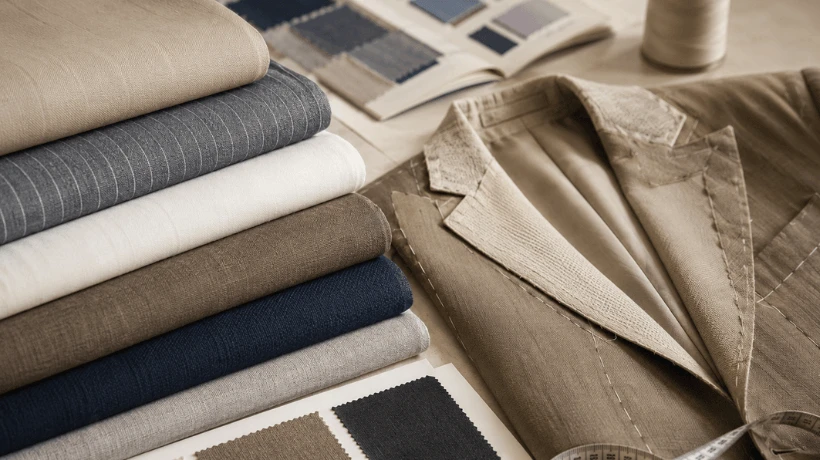
When customers pick up a piece of clothing, the very first thing they notice isn't the stitching or the label — it's the fabric. The way it feels, drapes, and holds up over time shapes their entire impression of your brand. At Fabriculture, we've seen firsthand how fabric selection can make or br
When customers pick up a piece of clothing, the very first thing they notice isn't the stitching or the label — it's the fabric. The way it feels, drapes, and holds up over time shapes their entire impression of your brand. At Fabriculture, we've seen firsthand how fabric selection can make or break customer loyalty, and it all starts with understanding the direct link between fabric quality and the customer experience.
The First Impression: Touch and Feel
Before a customer even tries on a garment, they touch it. That initial sensory interaction sets expectations for quality. A soft, well-woven fabric signals craftsmanship, while a rough or flimsy material can immediately lower perceived value — even if the design itself is excellent. This is why fabric sourcing deserves as much attention as garment design.
Durability Builds Long-Term Trust
Garment quality isn't only about how a piece looks on day one; it's about how it performs after ten washes, fifty wears, or a full season of use. Poor-quality fabric pills, fades, or loses shape quickly, leading to disappointed customers and negative reviews. High-quality fabric, on the other hand, retains its color, shape, and texture over time, which builds trust and encourages repeat purchases. Customers who feel confident that your garments will last are far more likely to become loyal, long-term buyers.
Fit and Structure Depend on Fabric Behavior
Different fabrics behave differently once cut and sewn. Some stretch, some hold rigid structure, and some drape softly. Choosing the wrong fabric for a specific garment style can result in poor fit, awkward silhouettes, or clothing that loses its shape after a single wash. Understanding fabric behavior — weight, stretch, and recovery — ensures that the final garment fits and moves the way it was designed to.
Comfort Drives Repeat Purchases
Comfort is one of the leading reasons customers return to a brand. Breathable, soft fabrics that feel good against the skin encourage customers to wear a garment repeatedly, which increases brand visibility and word-of-mouth referrals. Uncomfortable fabric, even in a beautifully designed piece, often ends up unworn in the back of a closet — and that customer is unlikely to purchase from the same brand again.
Fabric Quality and Perceived Brand Value
Customers subconsciously connect fabric quality with pricing fairness. If a garment feels premium, customers are more willing to pay a premium price and are less likely to request refunds or leave negative reviews. On the other hand, low-quality fabric paired with high pricing creates a mismatch that damages brand reputation quickly, especially in the age of online reviews and social sharing.
Reducing Returns and Complaints Through Better Sourcing
A significant portion of returns in the fashion industry stem from fabric-related issues — shrinking, discoloration, itchiness, or poor stitching caused by unsuitable material. By investing in reliable, well-tested fabric sourcing, brands can significantly reduce return rates and customer complaints, saving both money and reputation in the long run. At Fabriculture, we help brands identify fabrics that align with their product goals to minimize these costly issues from the start.
Building a Fabric-First Brand Strategy
Smart brands don't treat fabric as an afterthought — they treat it as a core part of their identity. From the initial design phase, considering fabric type, weight, and finish ensures that quality is built into the product rather than fixed after customer complaints arise. This fabric-first approach leads to stronger reviews, higher retention, and a more defensible brand position in a competitive market.
Final Thoughts
Fabric choice is not just a technical detail — it's a direct driver of customer satisfaction and brand loyalty. Prioritizing quality fabric sourcing from the start pays off in fewer returns, stronger reviews, and customers who keep coming back.
FAQs
1. How does fabric quality affect customer reviews?
Fabric quality directly influences comfort, durability, and fit, all of which are common themes in customer reviews. Poor fabric often leads to complaints about pilling, fading, or discomfort, while high-quality fabric tends to generate positive feedback.
2. Can good fabric make up for average garment design?
To an extent, yes. Customers often forgive simple designs if the fabric feels premium and performs well, but poor fabric can undermine even the most well-designed garment.
3. What fabric issues cause the most returns?
Shrinking after washing, fading colors, pilling, and scratchy or uncomfortable textures are among the most common fabric-related reasons customers return clothing.
4. How can a new brand ensure consistent fabric quality?
Working with a reliable fabric sourcing partner, testing samples before bulk production, and setting clear quality standards for weight, weave, and finish all help maintain consistency across production runs.


Comments
Login to Comment