How Does Birthmarks Removal Work?
16 Oct, 2026
3 Views 0 Like(s)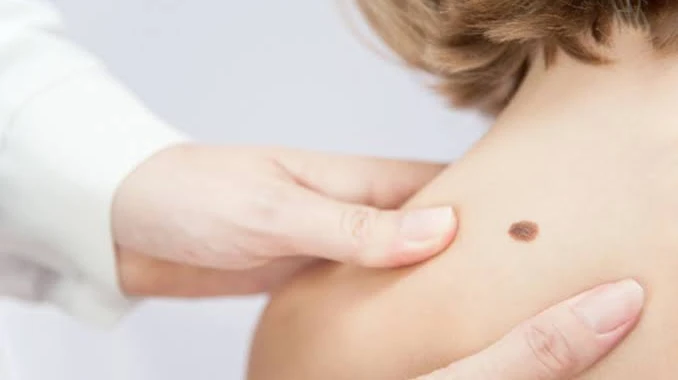
Birthmark Removal Dubai involves identifying the type of birthmark and choosing an appropriate treatment based on its color, size, depth, location, and characteristics.
Birthmarks can appear as red, pink, brown, purple, or blue patches on the skin. Some are flat, while others are raised or develop a different texture over time. Although many birthmarks are harmless, people may seek treatment to reduce their visibility or address medical concerns. Birthmark Removal Dubai involves identifying the type of birthmark and choosing an appropriate treatment based on its color, size, depth, location, and characteristics. Depending on the diagnosis, treatment may involve laser therapy, medication, surgery, or observation. The aim is to achieve a suitable result while minimizing damage to the surrounding skin.
Understanding the Different Types of Birthmarks
Birthmarks generally fall into two main categories: vascular and pigmented. Vascular birthmarks develop from blood vessels that have formed differently, while pigmented birthmarks result from clusters of pigment-producing cells in the skin. These marks may be present at birth or become noticeable during the first weeks or months of life. Some fade naturally, whereas others remain visible throughout adulthood. Identifying the type of birthmark is essential because each responds differently to treatment. A dermatologist can examine the mark and determine whether it needs treatment, further investigation, or simply regular monitoring.
How Laser Treatment Targets Birthmarks
Laser treatment uses concentrated light energy to target specific structures responsible for a birthmark's color or appearance. For vascular birthmarks, certain lasers target the blood within abnormal blood vessels. The absorbed energy produces heat that damages the targeted vessels, allowing the body to gradually clear the treated tissue and making the mark lighter. For selected pigmented lesions, specialized lasers target pigment particles in the skin. The appropriate laser depends on the diagnosis, skin tone, and depth of the mark. Laser therapy may significantly reduce discoloration, but complete removal is not guaranteed, and multiple sessions are often needed.
How Vascular Birthmarks Respond to Treatment
Vascular birthmarks, such as port-wine stains, usually appear pink, red, or purple because of the blood vessels beneath the skin. A pulsed dye laser is commonly used to reduce the color of suitable vascular birthmarks. The light energy is absorbed by the blood vessels, which gradually become less visible after treatment. The improvement usually develops over several sessions rather than immediately. Some vascular birthmarks, including infantile hemangiomas, may require a different approach because they can grow rapidly during early infancy. Depending on the lesion, a specialist may recommend monitoring or prescription medication instead of laser therapy.
How Pigmented Birthmarks Are Treated
Pigmented birthmarks may appear tan, brown, black, or blue and develop because of differences in pigment-producing cells. Examples include café-au-lait spots and certain congenital moles. Some selected pigmented lesions may respond to specialized laser treatment, which targets pigment within the skin. However, laser treatment is not suitable for every pigmented birthmark. Certain moles require medical assessment because their characteristics may indicate a need for further investigation or surgical removal. A dermatologist should establish the diagnosis before cosmetic treatment begins. The depth of the pigment, the type of lesion, and the person's skin tone all influence the treatment options and expected outcome.
During a Birthmark Removal Session
Treatment usually begins with a consultation in which the practitioner examines the birthmark and reviews the person's medical history, skin characteristics, and treatment goals. If laser therapy is appropriate, the area is cleaned, protective eyewear is provided, and a cooling or numbing method may be used when needed. The practitioner then delivers controlled laser pulses to the selected area. The length of the session depends on the size and location of the birthmark and the device being used. Following treatment, the skin may appear red, swollen, or temporarily bruised. Specific aftercare instructions help support recovery and reduce the likelihood of complications.
Medication or Surgery Recommended
Laser therapy is only one approach to managing birthmarks. Certain infantile hemangiomas may respond to prescription medication, such as propranolol, which can help control growth and reduce the size of selected lesions. Medication requires medical supervision and is not appropriate for every birthmark. Surgery may be considered when a lesion needs to be removed for medical reasons or when another approach is unsuitable. The surgeon removes the affected tissue and closes the wound when necessary. Although surgery can remove the targeted lesion, it generally leaves a scar. Some birthmarks do not require active treatment and can instead be monitored by a healthcare professional.
How Many Sessions Are Usually Needed
The number of treatment sessions depends on the type, size, depth, and location of the birthmark, as well as the method being used. Some superficial vascular marks may respond gradually over several laser appointments, while deeper or more complex lesions may require a longer treatment plan. The individual's skin tone and healing response can also affect how treatment is planned. A practitioner may assess the response after each session and adjust the approach when necessary. It is important not to assume that a single appointment will remove every birthmark. A consultation should establish realistic expectations about the likely number of sessions and the degree of improvement.
Results Can You Expect
Results vary according to the birthmark and the treatment selected. Laser therapy may make a birthmark lighter or less noticeable, while medication can help reduce the growth or size of certain vascular lesions. Surgical removal can eliminate suitable tissue, although a scar may remain. Some birthmarks respond more noticeably than others, and partial improvement may be the most realistic outcome. Pigmentation can sometimes return or remain visible after treatment. The practitioner should explain the likely results before the procedure, including its limitations and whether additional sessions may be required. Photographs taken under consistent lighting can help track progress over time.
Recovery and Aftercare Following Birthmark Removal
The recovery period depends on the treatment method and the individual's healing response. After laser therapy, temporary redness, swelling, bruising, sensitivity, or crusting may occur. Surgical treatment requires appropriate wound care and follow-up appointments. To support healing, follow the practitioner's instructions, avoid picking or scratching the treated area, and protect the skin from excessive sun exposure. Avoid harsh exfoliants or irritating products until the practitioner confirms that they can be used safely. Increasing pain, spreading redness, unusual discharge, or other concerning symptoms should be assessed by a healthcare professional. Following aftercare guidance helps reduce avoidable irritation and supports the best possible healing outcome.
Birthmark Removal Safe
Birthmark removal can be appropriate when the lesion has been correctly diagnosed and the treatment is selected by a qualified professional. However, every procedure carries potential risks. Laser treatment may cause temporary redness, bruising, burns, scarring, or changes in skin pigmentation. Surgery can leave a permanent scar and carries risks such as infection. These risks vary according to the birthmark, treatment technique, skin characteristics, and practitioner's experience. A changing birthmark should be medically assessed before cosmetic treatment. People with darker skin tones may need particular care when choosing laser settings because some procedures can cause light or dark patches. A professional assessment helps determine the safest approach.
Suitable Candidate
Suitability depends on the birthmark's characteristics, the person's health, and the reason for seeking treatment. Someone with a persistent port-wine stain may be considered for laser therapy, while a person with a suspicious pigmented lesion may need further examination before any cosmetic procedure. Babies and young children require assessment by a pediatrician or appropriate specialist because some birthmarks need early intervention, whereas others are best monitored. The treatment plan should account for potential complications, expected results, and recovery requirements. A qualified professional can explain which options are appropriate and whether treatment should begin immediately or be postponed.
Conclusion
Birthmark removal works by targeting the blood vessels or pigment responsible for a mark's appearance, removing selected tissue through surgery, or managing certain lesions with medication. The right approach depends on the type, size, depth, location, and medical characteristics of the birthmark. Laser therapy can reduce the visibility of suitable marks, but complete removal cannot always be achieved. Professional assessment is essential for identifying the lesion, understanding the risks, and setting realistic expectations. With an appropriate treatment plan and careful aftercare, it may be possible to improve the appearance of selected birthmarks while minimizing avoidable complications.
Frequently Asked Questions
Does birthmark removal work for every type of birthmark?
No. Different birthmarks respond to different treatments, and some cannot be removed completely. A dermatologist can recommend an appropriate option after examining the mark.
How does laser birthmark removal work?
Laser energy targets blood vessels or selected pigment in the skin. The treated structures are gradually cleared or become less visible, which may lighten the birthmark.
Can one session remove a birthmark?
Some marks may show improvement after one session, but many require multiple treatments. Results depend on the type, size, depth, and response of the skin.
Is birthmark removal permanent?
Results vary. Surgery may remove the targeted tissue but usually leaves a scar, while laser treatment may reduce visibility without completely eliminating the mark.
Can birthmark removal cause scarring?
Yes. Scarring is possible, particularly after surgery, and can occasionally occur after laser treatment. Appropriate treatment selection and aftercare help reduce risks.
Should a birthmark be examined before treatment?
Yes. A medical examination helps identify the type of birthmark and determine whether treatment, further investigation, or monitoring is most appropriate.



Comments
Login to Comment