Mint Nicotine Pouches: Health Effects and Precautions
14 Oct, 2026
12 Views 0 Like(s)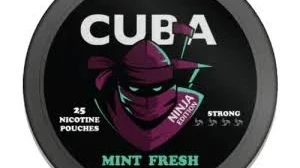
he units and wording should be checked carefully. Nicotine absorption can also be influenced by product formulation,Some products use nicotine derived from tobacco, while others use synthetic nicotine; the source and composition should be confirmed through the manufacturer's ingredient information. The pouch material helps contain the contents while allowing moisture and dissolved substances to pass through during oral use. Mint flavourings can create sensations associated with coolness
Mint Nicotine Pouches contain a combination of ingredients designed to hold nicotine, maintain the pouch's structure, and provide a particular flavour. Although formulations vary by brand, common ingredients may include plant-based fibres or other fillers, nicotine, moisture-retaining substances, acidity regulators, sweeteners, and mint flavouring compounds. Some products use nicotine derived from tobacco, while others use synthetic nicotine; the source and composition should be confirmed through the manufacturer's ingredient information. The pouch material helps contain the contents while allowing moisture and dissolved substances to pass through during oral use. Mint flavourings can create sensations associated with coolness, but these sensations do not indicate that a product is medically beneficial or free from harm. Nicotine concentration is an especially important part of product labelling because different strengths may deliver different amounts of nicotine. The quantity listed on a package may refer to the amount per pouch or another measurement, so the units and wording should be checked carefully. Nicotine absorption can also be influenced by product formulation, the duration of use, and individual factors. Consumers should never assume that a small pouch contains only a small amount of nicotine. Labels should be examined for ingredient lists, warnings, manufacturer details, batch information, and storage instructions. Products with unclear labelling, damaged packaging, or uncertain origins may present additional risks because their contents cannot be reliably verified. Nicotine pouches should be stored securely away from children and pets, as accidental ingestion can cause nicotine poisoning. Used pouches should be discarded responsibly and kept out of reach of others. Anyone who develops symptoms such as vomiting, severe dizziness, confusion, or a rapid heartbeat following nicotine exposure should seek urgent medical guidance. In cases of suspected ingestion by a child or pet, contact emergency medical services or a poison information service immediately. Understanding the composition of mint nicotine pouches provides useful context for evaluating product labels, but ingredient information alone cannot establish that a product is safe.or uncertain origins may present additional risks because their contents cannot be reliably verified. Nicotine pouches should be stored securely away from children and pets, as accidental ingestion can cause nicotine poisoning. Used pouches should be discarded responsibly and kept out of reach of others. Anyone who develops symptoms such as vomiting, severe dizziness, confusion, or a rapid heartbeat following nicotine exposure should seek urgent medical guidance. In cases of suspected ingestion by a child or pet, contact emergency medical services or a poison information service immediately. Understanding the composition of mint nicotine pouches provides useful context for evaluating product labels, but ingredient information alone cannot establish that a product is safe.
Mint Nicotine Pouches are small oral products designed to release nicotine when placed between the gum and upper lip. Unlike traditional tobacco products, many nicotine pouches contain nicotine, flavourings, fillers, sweeteners, and other ingredients without containing tobacco leaf. However, the exact formulation varies according to the manufacturer and product. Mint flavour is commonly created using flavouring compounds that provide a cooling or refreshing sensation. The nicotine content can also vary considerably, making it important to read the product label carefully rather than assuming that all pouches contain the same amount. These products do not require combustion, so they do not produce smoke in the same way as cigarettes. However, the absence of smoke does not make them harmless. Nicotine is an addictive substance that can lead to dependence and may affect heart rate, blood pressure, and the developing brain. Some users may also experience gum irritation, mouth discomfort, nausea, dizziness, headaches, or hiccups. The effects can depend on the nicotine concentration, frequency of use, and individual sensitivity. Mint flavour does not reduce the addictive properties of nicotine or eliminate its potential health effects. People who do not currently use nicotine should avoid starting. Young people and pregnant individuals should avoid nicotine products because of the associated health risks. Anyone experiencing unwanted symptoms after using a nicotine pouch should stop using it and seek appropriate medical advice. Understanding the ingredients, nicotine strength, warnings, and intended use of these products is essential when evaluating their potential risks. Product information should come from reliable packaging and manufacturer documentation, while health decisions should be guided by qualified healthcare professionals. Readers should also remember that regulations governing nicotine pouches differ between countries, so legal availability and permitted nicotine concentrations may vary by locationMint Nicotine Pouches contain a combination of ingredients designed to hold nicotine, maintain the pouch's structure, and provide a particular flavour. Although formulations vary by brand, common ingredients may include plant-based fibres or other fillers, nicotine, moisture-retaining substances, acidity regulators, sweeteners, and mint flavouring compounds. Some products use nicotine derived from tobacco, while others use synthetic nicotine; the source and composition should be confirmed through the manufacturer's ingredient information. The pouch material helps contain the contents while allowing moisture and dissolved substances to pass through during oral use. Mint flavourings can create sensations associated with coolness, but these sensations do not indicate that a product is medically beneficial or free from harm. Nicotine concentration is an especially important part of product labelling because different strengths may deliver different amounts of nicotine. The quantity listed on a package may refer to the amount per pouch or another measurement, so the units and wording should be checked carefully. Nicotine absorption can also be influenced by product formulation, the duration of use, and individual factors. Consumers should never assume that a small pouch contains only a small amount of nicotine. Labels should be examined for ingredient lists, warnings, manufacturer details, batch information, and storage instructions. Products with unclear labelling, damaged packaging, or uncertain origins may present additional risks because their contents cannot be reliably verified. Nicotine pouches should be stored securely away from children and pets, as accidental ingestion can cause nicotine poisoning. Used pouches should be discarded responsibly and kept out of reach of others. Anyone who develops symptoms such as vomiting, severe dizziness, confusion, or a rapid heartbeat following nicotine exposure should seek urgent medical guidance. In cases of suspected ingestion by a child or pet, contact emergency medical services or a poison information service immediately. Understanding the composition of mint nicotine pouches provides useful context for evaluating product labels, but ingredient information alone cannot establish that a product is safe.


Comments
Login to Comment