How Do Skin Booster injection Help Restore Skin Hydration?
08 Oct, 2026
9 Views 0 Like(s)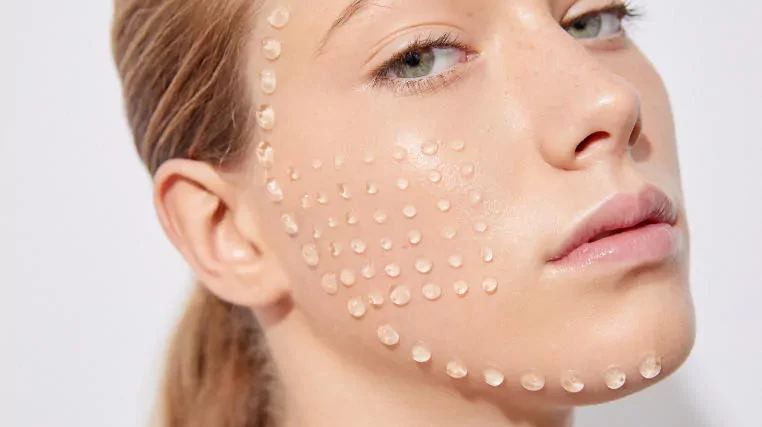
Skin Booster Injections in Dubai may help improve skin hydration by delivering skin-quality ingredients, often hyaluronic acid, into the skin.
Hydrated skin usually looks smoother, softer, and more comfortable, while dehydrated skin can appear dull, rough, tight, or more lined. Skin Booster injection Dubai may help improve skin hydration by delivering skin-quality ingredients, often hyaluronic acid, into the skin. These treatments are designed to support moisture levels and overall skin quality rather than create significant facial volume.
Why Is Skin Hydration Important?
Water is an important part of healthy skin.
Adequate hydration helps the skin maintain a smoother surface and supports the normal function of the skin barrier.
When the skin becomes dehydrated, it may feel tight or rough and fine surface lines can become more noticeable.
Dehydration can occur because of environmental conditions, excessive cleansing, aging, insufficient moisture, or other factors.
Improving hydration can therefore be an important part of maintaining a fresh and healthy-looking complexion.
What Are Skin Booster Injections?
Skin booster injections are minimally invasive treatments designed primarily to improve skin quality.
They differ from traditional dermal fillers, which are generally used to add volume or enhance specific facial contours.
Many skin boosters contain hyaluronic acid, a substance naturally found in the body that has strong water-binding properties.
Depending on the product, the treatment may involve multiple small injections into the skin rather than placing a larger amount of filler in one area.
How Does Hyaluronic Acid Help Skin Hydration?
Hyaluronic acid has the ability to attract and retain water.
When an appropriately formulated hyaluronic acid product is placed within the skin, it can contribute to increased hydration in the treated tissue.
This may help the skin appear smoother, softer, and more supple.
Improved hydration can also make certain fine surface lines and rough texture less noticeable.
The exact effect depends on the formulation, injection technique, treatment area, and individual response.
Can Skin Boosters Help Dehydrated Skin?
Yes, skin boosters may be considered when dehydration contributes to a dull or rough appearance.
Improving hydration can make the skin feel more comfortable and give it a smoother-looking surface.
However, injectable treatment is not always necessary for mild dehydration.
A suitable moisturizer, gentle cleansing routine, adequate fluid intake, and protection from environmental factors can also play an important role in maintaining skin hydration.
How Do Skin Boosters Improve the Appearance of Dry Skin?
Dryness and dehydration are related but are not exactly the same.
Dry skin generally refers to a lack of oils or lipids, while dehydrated skin refers to insufficient water in the skin.
Skin boosters primarily target skin quality and hydration rather than replacing the natural oils needed by dry skin.
People with very dry or irritated skin may therefore also benefit from appropriate moisturizers and barrier-supporting skincare.
Can Skin Boosters Make Skin Look Plumper?
Improved hydration can make the skin appear temporarily more plump and smooth.
This should not be confused with the volumizing effect of traditional dermal fillers.
Skin boosters are generally intended to improve the quality and hydration of the skin rather than significantly alter facial contours.
The degree of visible plumping varies between individuals and depends on the specific product.
Can Skin Boosters Improve Fine Lines Caused by Dehydration?
Dehydration can make fine surface lines more visible.
When the skin becomes better hydrated, some of these lines may appear softer because the surface becomes smoother.
Skin boosters may therefore improve the appearance of fine lines that are partly related to dehydration.
However, deeper wrinkles caused by collagen loss, repeated facial movement, or significant photoaging may require other treatments.
Can Skin Boosters Support the Skin Barrier?
The skin barrier helps reduce excessive water loss and protects the skin from external irritants.
Improving hydration can support the appearance and function of healthy skin, but skin boosters should not be considered a direct treatment for every type of barrier damage.
If the skin is severely irritated, inflamed, or damaged, the underlying problem should be addressed before considering an injectable cosmetic treatment.
A gentle skincare routine can also help maintain barrier health.
Which Areas Can Be Treated for Skin Hydration?
Depending on the product and treatment plan, skin boosters may be used on areas such as:
- Face
- Cheeks
- Around the mouth
- Neck
- Décolletage
- Hands
The appropriate treatment area depends on the product being used and the individual's skin concerns.
A practitioner should determine where injections are appropriate rather than using the same approach for every person.
How Many Skin Booster Sessions May Be Needed?
There is no universal treatment schedule.
Some skin booster products are administered as a series of treatments, while others have different protocols.
The number of sessions may depend on:
- Degree of dehydration
- Skin quality
- Age
- Treatment area
- Product formulation
- Desired outcome
- Individual response
A qualified practitioner can recommend an appropriate schedule after assessing the skin.
When Can You Notice Improved Hydration?
Some people may notice a fresher or more hydrated appearance relatively soon after treatment.
However, temporary swelling or redness can make the skin look different immediately after injections.
The final appearance should be assessed after the skin has settled.
Improvements in overall skin quality may become more noticeable progressively rather than appearing all at once.
How Long Can Hydration Benefits Last?
The duration varies depending on the product, treatment plan, skin condition, lifestyle, and individual response.
Skin naturally loses moisture over time and continues to be affected by aging and environmental exposure.
For this reason, skin booster results are not permanent.
Maintenance treatments may be recommended depending on the product and the individual's goals.
What Can Reduce Skin Hydration?
Several everyday factors can contribute to dehydrated-looking skin.
These may include:
- Excessive sun exposure
- Dry environmental conditions
- Hot water
- Harsh cleansers
- Over-exfoliation
- Aging
- Inadequate skincare
- Certain skin conditions
Reducing unnecessary irritation and using suitable moisturizers can help support hydration between professional treatments.
How Can You Maintain Hydrated Skin After Treatment?
A simple skincare routine can help maintain a hydrated appearance.
Helpful habits include:
- Use a gentle cleanser.
- Apply a suitable moisturizer.
- Use broad-spectrum sunscreen every day.
- Avoid excessive hot water.
- Avoid unnecessary aggressive exfoliation.
- Follow post-treatment instructions.
- Maintain adequate fluid intake.
Skin boosters can complement these habits, but they do not replace everyday skin care.
Are Skin Booster Injections Suitable for Everyone?
Not everyone is a suitable candidate for injectable skin boosters.
A practitioner should consider the person's skin condition, medical history, allergies, medications, previous injectable treatments, and treatment goals.
Treatment may need to be postponed if there is an active infection, significant inflammation, open wounds, or severe irritation in the area being treated.
An individualized consultation can help determine whether the treatment is appropriate.
What Are the Possible Side Effects?
Temporary injection-related reactions can occur.
These may include:
- Redness
- Swelling
- Bruising
- Tenderness
- Temporary sensitivity
- Small bumps at injection sites
The risks depend on the product and injection technique.
Treatment by a qualified practitioner and following appropriate aftercare can help reduce unnecessary risks.
Conclusion
Skin booster injections may help restore the appearance of skin hydration by delivering skin-quality ingredients, often hyaluronic acid, into the skin. Because hyaluronic acid can attract and retain water, appropriately formulated treatments may help the skin look smoother, softer, and more supple.
The results vary depending on the product, treatment technique, skin condition, and individual response. Skin boosters should also be combined with appropriate skincare, moisturization, and daily sun protection for ongoing skin hydration.
A professional assessment can help determine whether a skin booster is suitable for dehydrated-looking skin and which treatment approach best matches the individual's needs.
FAQs
How do skin booster injections restore skin hydration?
Many skin boosters contain hyaluronic acid, which can attract and retain water within the skin. This may improve hydration and create a smoother, softer appearance.
Can skin boosters help dehydrated skin?
Yes. They may improve hydration when dehydration contributes to dullness, roughness, or a less supple appearance.
Do skin boosters work like moisturizers?
No. Skin boosters are injectable treatments that work within the skin, while moisturizers are topical products designed to support surface hydration and the skin barrier.
Can skin boosters make dry skin look smoother?
They may improve hydration and surface smoothness, but very dry skin may also need appropriate moisturizers and barrier-supporting skincare.
Can skin boosters reduce dehydration-related fine lines?
Improved hydration may make some fine surface lines look less noticeable. Deeper wrinkles usually require a different treatment approach.
How many skin booster sessions are needed for hydration?
There is no fixed number. The recommended schedule depends on the product, skin condition, treatment area, and individual goals.
Are skin hydration results from skin boosters permanent?
No. The effects are temporary and vary between individuals. Maintenance treatment may be considered when appropriate.
What can I do to keep my skin hydrated after treatment?
Use a gentle cleanser, apply a suitable moisturizer, wear broad-spectrum sunscreen, avoid excessive exfoliation, and follow the practitioner's aftercare instructions.


Comments
Login to Comment