Does Laser Tattoo Removal require recovery downtime
08 Oct, 2026
9 Views 0 Like(s)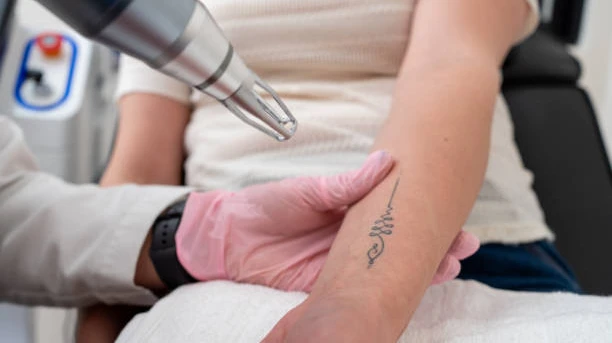
Laser Tattoo Removal can fit into busy routines with minimal downtime, allowing you to return to daily activities while the skin heals.
Laser tattoo removal is a gradual process designed to break down unwanted tattoo pigment so the body can naturally clear the fragmented ink over time. Many people considering treatment wonder whether they need to take significant time away from work, exercise, or everyday activities afterward. Laser Tattoo Removal in Abu Dhabi uses targeted laser energy to address tattoo pigment while keeping the surrounding skin as controlled as possible. Although the treatment itself is relatively quick, the treated area needs time to settle between sessions, making it important to understand what recovery involves and how soon normal activities can usually be resumed.
Does Laser Tattoo Removal Require Significant Downtime?
Laser tattoo removal generally does not require the type of extended downtime associated with major surgical procedures. Most people can return to many routine activities relatively soon after a treatment session.
However, the treated skin still needs an appropriate period to recover. The appearance of the area can change temporarily as the skin responds to the laser energy and the tattoo pigment begins to break down. Recovery is therefore better understood as a period of skin healing rather than complete inactivity.
The amount of recovery time can vary depending on the tattoo's size, location, colors, age, and the laser settings used during treatment.
What Happens to the Skin After Laser Tattoo Removal?
Laser energy targets tattoo pigment beneath the skin. The energy breaks larger pigment particles into smaller fragments that can subsequently be processed by the body's natural systems.
After treatment, the skin may look different from its usual appearance for a period of time. The treated area gradually settles as the skin undergoes its normal healing process and the body continues clearing the fragmented pigment.
Because the process is gradual, tattoo removal is typically performed over multiple sessions rather than attempting to eliminate all of the pigment at once. Allowing sufficient time between sessions gives the skin an opportunity to recover while the body continues processing the remaining ink.
How Long Does Recovery Usually Take?
Recovery time varies from person to person and depends on the characteristics of the tattoo and the treatment area. Smaller tattoos may involve a relatively straightforward recovery, while larger or more densely pigmented tattoos can require more time for the skin to settle.
The location of the tattoo can also influence the recovery experience. Areas that experience frequent movement or friction may require greater attention during the healing period.
Rather than focusing on a single fixed recovery period, it is more useful to consider whether the treated skin has returned to an appropriate condition before another session is performed.
Can You Return to Work After Laser Tattoo Removal?
For many people, returning to normal work activities does not require a lengthy break. The need for time away from work depends largely on the location of the tattoo and the nature of the person's daily activities.
Someone working in a relatively clean indoor environment may be able to resume normal activities quickly. In contrast, people whose work involves significant physical activity, prolonged exposure to environmental conditions, or repeated contact with the treated area may need to be more cautious during recovery.
The appearance of the treated area can also be a consideration, particularly when the tattoo is located somewhere highly visible.
Can You Exercise After Laser Tattoo Removal?
Exercise and physical activity may need to be adjusted temporarily depending on the treatment area and the type of activity. Activities involving considerable sweating, friction, stretching, or direct contact with the treated area may not be appropriate immediately after treatment.
Allowing the skin to settle before returning to intense exercise can help support a smooth recovery. The appropriate timing depends on how the treated area looks and feels and the specific instructions provided for the treatment.
Gentle everyday movement is generally different from strenuous activity that places significant stress on the treated area.
Does Tattoo Location Affect Recovery?
Tattoo location can have an important influence on the recovery period. A tattoo on an area that experiences frequent movement, clothing friction, or contact may require more consideration than one located on a relatively protected part of the body.
For example, areas around joints can move repeatedly throughout the day, while tattoos beneath clothing may experience regular fabric contact. These factors can influence how comfortable the recovery period feels.
The size and density of the tattoo also matter. A small tattoo with limited pigment may require a different recovery experience from a large, heavily pigmented design.
Does Tattoo Color Affect the Treatment Process?
Tattoo color can influence the overall removal process because different pigments respond differently to laser energy. Some colors may respond more readily to particular wavelengths, while others can require a more tailored approach.
The number of treatment sessions needed can therefore vary considerably between tattoos. A multicolored design may require a different treatment strategy from a tattoo containing primarily dark pigment.
This also means that recovery and the overall removal timeline should be considered separately. A person may have relatively little downtime after each session while still requiring several sessions to achieve the desired level of fading.
Why Are Multiple Sessions Necessary?
Laser tattoo removal is designed to gradually reduce tattoo pigment rather than removing all ink in one treatment. The laser breaks pigment into smaller particles, after which the body gradually clears them.
Once the skin has recovered and enough time has passed for the body's natural pigment-clearing process to continue, another treatment can target the remaining pigment.
This staged approach is important because tattoo ink can be located at different depths within the skin. Multiple sessions allow treatment to progress gradually while giving the skin appropriate time between appointments.
Is Laser Tattoo Removal Compatible With a Busy Lifestyle?
For people with demanding schedules, the relatively limited downtime associated with laser tattoo removal can make it easier to incorporate treatment into everyday life. However, scheduling should still account for the recovery needs of the treated area.
Planning a session before a period of lower physical activity may be useful, particularly when the tattoo is located in an area that experiences friction or movement.
It is also important to remember that minimal downtime does not mean the treatment area should be treated as though nothing has happened. The skin still requires appropriate care while it settles.
When Can the Next Treatment Session Take Place?
Another session is generally not performed immediately after the previous one. The skin needs sufficient time to recover, and the body needs time to continue clearing the fragmented tattoo pigment.
The appropriate interval varies depending on the tattoo, treatment response, and condition of the skin. Scheduling sessions too closely together would not allow the natural pigment-clearing process to progress fully.
A gradual treatment schedule therefore plays an important role in achieving steady tattoo fading while allowing adequate recovery between sessions.
What Determines Your Overall Recovery Experience?
Several factors can influence how quickly the treated area settles. Tattoo size, pigment density, color, location, skin characteristics, and treatment settings can all affect the recovery process.
Individual healing patterns also differ. Some people may find that the treated area settles relatively quickly, while others may require additional time before the skin returns to its usual appearance.
Following the recommended aftercare instructions is an important part of supporting the recovery process and preparing the skin for future treatment sessions.
Final Thoughts
Laser tattoo removal generally does not require extensive recovery downtime, allowing many people to return to routine activities relatively quickly. However, the treated skin still needs time to settle after each session, and the recovery experience can vary according to tattoo size, color, location, pigment density, and individual skin characteristics. Because tattoo removal works gradually, multiple sessions are usually spaced apart to allow both the skin and the natural pigment-clearing process to progress. Understanding this recovery timeline can make the treatment process easier to plan around everyday responsibilities.
FAQs
Does laser tattoo removal require downtime?
It generally requires limited downtime, although the treated skin needs time to settle and recover.
Can I return to work after treatment?
Many people can resume routine work activities quickly, depending on the tattoo location and type of work.
Can I exercise after laser tattoo removal?
Intense exercise may need to be temporarily limited depending on the treatment area and activity.
Does tattoo size affect recovery?
Yes, larger or heavily pigmented tattoos may require more time for the treated area to settle.
How long before another session?
The interval varies, but sufficient time is allowed between sessions for the skin to recover and the body to continue clearing tattoo pigment.


Comments
Login to Comment