Heavy Duty Towing Explained: Power, Precision, and Reliability on the Road
20 Jan, 2026
9877 Views 0 Like(s)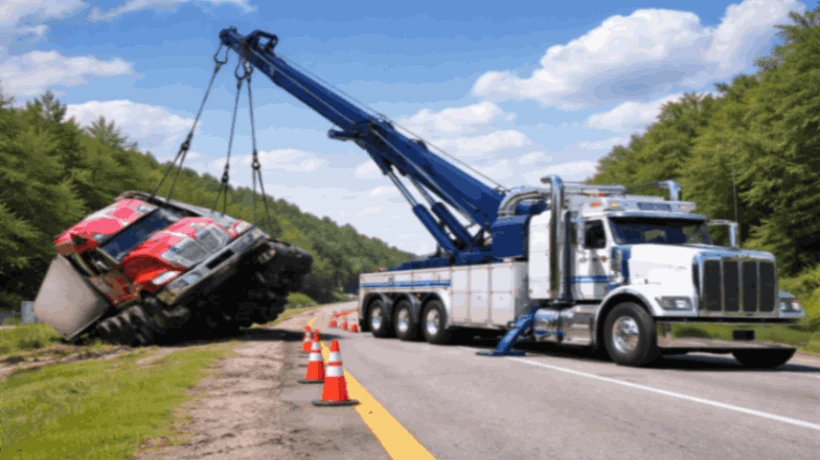
Learn what heavy duty towing is, how it works, equipment used, safety standards, and why professional heavy vehicle recovery matters.
When vehicles break down or accidents involve large machinery, standard towing services are often not enough. This is where Heavy Duty Towing becomes essential. Designed to handle oversized, overweight, and complex recovery situations, heavy duty towing plays a vital role in keeping highways, industrial zones, and logistics routes moving safely. From tractor-trailers and buses to construction equipment and commercial fleets, this specialized service combines powerful equipment, skilled operators, and strategic planning.
This blog explores what heavy duty towing really means, how it works, the equipment involved, and why professional expertise matters. If you want a complete understanding of heavy duty towing, this guide covers everything in a clear and practical way.
What Is Heavy Duty Towing?
Heavy duty towing refers to the recovery, transport, or relocation of large and heavy vehicles that exceed the capacity of standard tow trucks. These vehicles typically weigh over 26,000 pounds and require specially designed tow trucks, reinforced rigging systems, and trained operators.
Examples of vehicles that require heavy duty towing include:
-
Semi-trucks and tractor-trailers
-
City and interstate buses
-
Garbage trucks
-
Fire engines and emergency vehicles
-
RVs and motor coaches
-
Construction equipment such as loaders and cranes
Unlike light or medium towing, heavy duty towing involves complex logistics, safety protocols, and precise execution.
Why Heavy Duty Towing Is So Important
Large vehicle breakdowns or accidents can cause serious disruptions. A disabled truck on a highway can block traffic lanes, create safety hazards, and lead to costly delays. Heavy duty towing ensures that these vehicles are removed efficiently and safely.
Key reasons heavy duty towing is critical include:
-
Road Safety: Quick removal of large vehicles reduces the risk of secondary accidents.
-
Traffic Flow: Clearing highways and busy roads minimizes congestion.
-
Asset Protection: Proper towing prevents further damage to expensive commercial vehicles.
-
Regulatory Compliance: Professional services follow transportation and safety regulations.
Without heavy duty towing, managing large-scale roadside incidents would be nearly impossible.
Equipment Used in Heavy Duty Towing
The backbone of heavy duty towing is advanced, high-capacity equipment. Each recovery situation requires the right tools to ensure safety and efficiency.
Heavy Duty Tow Trucks
These tow trucks are built with reinforced frames, powerful engines, and advanced hydraulic systems. They are capable of lifting and pulling extreme loads with stability.
Rotator Tow Trucks
Rotator trucks are among the most advanced vehicles in heavy duty towing. They feature a rotating boom that allows recovery from difficult angles, such as vehicles stuck in ditches or off-road locations. Rotators reduce the need to block multiple lanes during recovery.
Winches and Rigging Systems
High-strength winches, chains, and cables are used to secure and recover heavy vehicles. These components are designed to withstand massive tension without failure.
Air Cushions and Dollies
In certain recoveries, air cushions are used to lift overturned vehicles, while dollies help move damaged trucks with locked or missing wheels.
Common Situations Requiring Heavy Duty Towing
Heavy duty towing is not limited to breakdowns. Many scenarios call for this specialized service.
Truck Breakdowns
Mechanical failures, engine issues, or tire blowouts can immobilize large trucks. Heavy duty towing ensures safe transport to repair facilities.
Accident Recovery
After major collisions involving commercial vehicles, heavy duty towing professionals handle recovery while working alongside law enforcement and emergency responders.
Off-Road Recovery
Construction sites, muddy areas, and uneven terrain can trap heavy equipment. Specialized towing techniques are used to recover vehicles without causing environmental damage.
Load Shifts and Cargo Recovery
Improperly balanced cargo can make a vehicle unsafe to move. Heavy duty towing teams can stabilize and recover both the vehicle and its load.
The Skill Behind Heavy Duty Towing
Heavy duty towing is not just about powerful machines; it is about expertise. Operators undergo extensive training to handle complex recoveries safely.
Skills required include:
-
Load weight calculation and balance assessment
-
Understanding vehicle structure and anchor points
-
Advanced rigging and winching techniques
-
Knowledge of road safety and traffic control
-
Crisis management during emergencies
One wrong decision can cause further damage or injuries, which is why professional training is essential in heavy duty towing.
Safety Standards in Heavy Duty Towing
Safety is the top priority in heavy duty towing operations. Due to the size and weight of the vehicles involved, strict safety protocols are followed.
Important safety measures include:
-
Pre-recovery site assessment
-
Use of personal protective equipment (PPE)
-
Proper traffic control and signage
-
Secure rigging and load testing
-
Constant communication between team members
Reputable heavy duty towing services follow industry standards and local regulations to ensure every operation is carried out responsibly.
Heavy Duty Towing for Commercial Fleets
Commercial fleet owners rely heavily on heavy duty towing services to keep operations running smoothly. Downtime can lead to missed deliveries, contract penalties, and revenue loss.
Fleet-focused heavy duty towing services often include:
-
24/7 emergency response
-
Dedicated fleet accounts
-
Preventive recovery planning
-
Long-distance towing solutions
-
Documentation and insurance support
By partnering with reliable heavy duty towing providers, businesses can minimize disruptions and protect their assets.
Technology in Modern Heavy Duty Towing
The heavy duty towing industry has evolved significantly with technology. Modern tools and systems improve efficiency, accuracy, and safety.
Some technological advancements include:
-
GPS-enabled dispatch systems for faster response times
-
Load sensors to monitor weight distribution
-
Hydraulic control systems for precise movements
-
Digital reporting and real-time updates for clients
These innovations make heavy duty towing more reliable and transparent than ever before.
Choosing the Right Heavy Duty Towing Service
Not all towing companies are equipped to handle heavy duty jobs. Choosing the right service provider is crucial.
When selecting a heavy duty towing company, consider:
-
Experience with similar vehicles and situations
-
Availability of modern heavy duty equipment
-
Proper licensing and insurance
-
Trained and certified operators
-
24/7 emergency support
A dependable heavy duty towing service acts as a partner during stressful and time-sensitive situations.
Cost Factors in Heavy Duty Towing
The cost of heavy duty towing can vary based on several factors. Understanding these elements helps businesses plan better.
Common cost considerations include:
-
Vehicle size and weight
-
Distance of the tow
-
Complexity of the recovery
-
Time of service (day or night)
-
Equipment required
While heavy duty towing may seem expensive, professional service often prevents further damage and reduces overall costs in the long run.
The Future of Heavy Duty Towing
As transportation and logistics continue to grow, the demand for heavy duty towing will also increase. Electric trucks, autonomous vehicles, and larger commercial fleets will require new towing solutions.
Future trends in heavy duty towing may include:
-
Eco-friendly tow trucks
-
Advanced automation and remote monitoring
-
Enhanced safety systems
-
Specialized towing for electric and hybrid heavy vehicles
The industry will continue to adapt, ensuring safer roads and efficient recovery operations.
Conclusion
Heavy Duty Towing is a critical service that goes far beyond pulling a vehicle from point A to point B. It involves advanced equipment, trained professionals, strict safety standards, and strategic planning. Whether it is a highway breakdown, accident recovery, or off-road rescue, heavy duty towing ensures that large vehicles are handled with care and precision.
For businesses, fleet operators, and infrastructure authorities, reliable heavy duty towing is not just a convenience—it is a necessity. As technology advances and transportation demands increase, heavy duty towing will remain a cornerstone of road safety and operational efficiency.
Disclaimer: ThynkTales is a public blogging platform where content is contributed by individual users. While we encourage thoughtful and accurate sharing, we do not independently verify the information provided. Readers are advised to use their discretion and verify any information before relying on it.


Comments
Login to Comment