Har Ki Dun Trek Itinerary: Complete Guide
20 Jan, 2026
9821 Views 0 Like(s)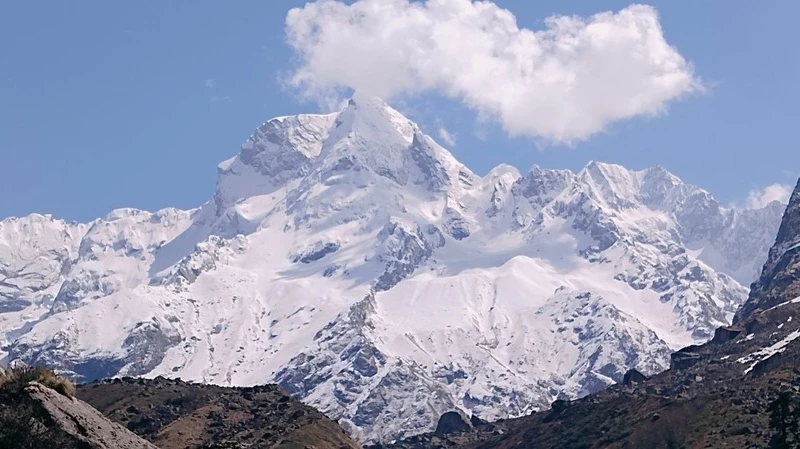
Har Ki Dun Trek Itinerary: Complete Guide
I still remember the first time I heard about the Har Ki Dun trek. People called it the Valley of Gods, but honestly, that title only makes sense once you’ve walked through it yourself. This trek isn’t about chasing adrenaline or ticking off a checklist. It’s about slowing down, breathing cleaner air, and letting the mountains do their quiet work on you.
I’m writing this guide in a straightforward way—no fluff, no over-selling—just what you actually need to know if you’re planning Har Ki Dun.
Why I Chose Har Ki Dun
Har Ki Dun felt like the right balance for me. It’s scenic but not extreme, remote but not uncomfortable. The trail takes you deep into Garhwal Himalayas, passing old villages, pine forests, alpine meadows, and rivers that never seem to stop talking.
At around 11,700 feet, it’s ideal if you want a Himalayan experience without pushing your limits too hard. If you’re reasonably fit and can walk for a few hours a day, this trek is doable.
Quick Overview of the Trek
-
Region: Garhwal Himalayas, Uttarakhand
-
Duration: 6–7 days
-
Total Distance: ~47 km
-
Difficulty: Easy to Moderate
-
Best Season: April–June and September–November
-
Start Point: Sankri
Day-by-Day Har Ki Dun Trek Itinerary
Day 1: Dehradun to Sankri (Drive | ~200 km | 8–10 hours)
I started early from Dehradun, and I’d recommend the same. The drive is long but beautiful. You follow the Yamuna river for a while, cross Mussoorie, and then enter deeper mountain roads.
Sankri is a small but lively village and the base camp for several treks. By evening, the temperature drops, so keep warm layers handy. This is also where I did my trek briefing, checked my gear, and just let my mind settle into mountain mode.
Day 2: Sankri to Taluka, then Trek to Pauni Garaat (10 km trek)
The road from Sankri to Taluka is rough but scenic. From Taluka, the real walking begins. The trail runs alongside the Supin River, through dense forests and wooden bridges that feel straight out of a storybook.
Pauni Garaat is a peaceful campsite. Nights here are quiet in a way cities never are. This is when I truly felt disconnected—from notifications, noise, and unnecessary rush.
Day 3: Pauni Garaat to Kalkattiyadhar (7–8 km)
This day felt longer than it looks on paper. The climb is gradual but steady. You pass open clearings and thick forests, with occasional views of snow peaks peeking through trees.
Kalkattiyadhar is colder, especially at night. The campsite sits at a higher altitude, and you can feel it in your breathing. Hydration and slow walking made all the difference for me here.
Day 4: Kalkattiyadhar to Har Ki Dun Valley and Back (12–14 km)
This is the heart of the trek. The day I had been waiting for.
The valley opens up suddenly—wide meadows, snow-covered peaks like Swargarohini standing tall, and a river flowing calmly through the middle. I spent more time just standing still than walking.
We had enough time to explore, take photos, and soak it all in before heading back to Kalkattiyadhar. It’s a long day, but emotionally, it’s the most rewarding one.
Day 5: Kalkattiyadhar to Pauni Garaat (Descent)
Descending always feels easier on the lungs but harder on the knees. Still, going back through familiar trails felt comforting. I noticed details I had missed earlier—flowers, bird calls, small waterfalls.
This was also the day when conversations flowed more freely. Something about descending from the mountains makes people open up.
Day 6: Pauni Garaat to Taluka, Drive to Sankri
The final walk back to Taluka is gentle. From there, the drive takes you back to Sankri. Hot food, a proper bed, and shared stories made the evening special.
Day 7: Sankri to Dehradun
The journey back feels different. You return with tired legs but a quieter mind.
Best Time to Do Har Ki Dun Trek
I’d recommend two clear windows:
-
April to June: Snow patches, blooming flowers, cool weather
-
September to November: Clear skies, autumn colors, crisp air
Avoid monsoon months unless you’re comfortable with slippery trails and potential delays.
Fitness and Preparation
You don’t need to be an athlete, but preparation matters. I focused on:
-
Brisk walking or jogging (4–5 km daily)
-
Stair climbing with a backpack
-
Basic strength for knees and core
Mental readiness is just as important. Some days are long, some nights are cold—but that’s part of the experience.
Guided Trek vs Going Solo
While Har Ki Dun isn’t extremely technical, I personally preferred going with a guided group. Not because I couldn’t manage alone, but because local knowledge adds depth to the journey.
I went with The Searching Souls, and what I appreciated most was how natural everything felt. No loud sales pitch, no rush to finish miles. The guides shared stories about villages, trails, and local life in a way that felt genuine—not rehearsed. While choosing their Har Ki Dun trek package, what stood out to me was this exact approach—slow, grounded, and respectful of the region. It made the entire journey feel safe and deeply connected to the valley, without ever crossing into anything commercial or staged. For me, that made the trek feel grounded and safe without ever feeling commercial.
What to Pack (Essentials Only)
-
Trekking shoes with good grip
-
Warm layers (thermal, fleece, down jacket)
-
Rain jacket
-
Backpack with rain cover
-
Water bottles
-
Basic medicines
-
Sunscreen and sunglasses
Keep it light. You’ll thank yourself on the trail.
Final Thoughts
Har Ki Dun isn’t a trek you conquer—it’s one you experience. It teaches patience, simplicity, and respect for nature. If you’re looking for a Himalayan trek that feels personal rather than performative, this one delivers quietly but deeply.
I came back with photos, yes—but more importantly, with clarity. And that’s something no camera can capture.



Comments
Login to Comment