Grease Trap and Interceptor Pumping: An Essential Part of Commercial Kitchen Maintenance
21 Sep, 2026
8 Views 0 Like(s)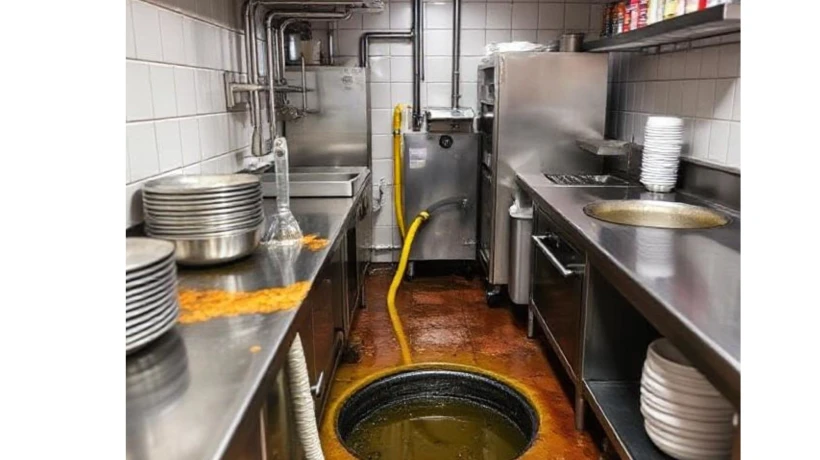
Commercial kitchens produce a constant flow of fats, oils, grease, food particles, and wastewater.
Commercial kitchens produce a constant flow of fats, oils, grease, food particles, and wastewater. While staff may focus on what happens at the fryer, prep station, or dishwashing area, a significant part of grease management happens below the surface. Grease traps and interceptors are designed to capture fats, oils, grease, and solids before they travel farther into the drainage system.
When these systems are not maintained properly, accumulated grease and solids can reduce capacity, affect drainage performance, create unpleasant odors, and increase the likelihood of operational interruptions. For restaurants, grocery stores, food processors, and other commercial food facilities, scheduled grease trap and interceptor pumping should be treated as a routine part of facility maintenance rather than something addressed only when a problem appears.
Baker Commodities provides grease trap and interceptor services as part of its broader grease management and recycling capabilities. By combining scheduled pumping with cleaning, inspection, and related maintenance services, businesses can take a more organized approach to managing fats, oils, and grease.
Why Grease Traps and Interceptors Need Regular Service
A grease trap works by slowing wastewater long enough for grease and oils to separate from the water. Solids can settle toward the bottom while fats and oils collect above the wastewater.
The system can only continue performing properly while it has enough available capacity.
As grease and solids accumulate, less room remains for incoming wastewater. Restaurants with heavy fryer use, high meal volumes, large dishwashing operations, or significant food preparation may generate grease at a faster rate than smaller facilities.
This is why service schedules should reflect actual kitchen conditions rather than relying on a one-size-fits-all timetable.
Commercial operators should consider factors such as daily food volume, trap size, kitchen layout, menu type, historical maintenance records, and how quickly grease accumulates between services.
A consistent maintenance plan makes grease management easier to predict and helps prevent maintenance from becoming a last-minute operational issue.
What Happens During Grease Trap Pumping?
Professional grease trap service should involve more than removing only the liquid layer.
The objective is to remove accumulated fats, oils, grease, wastewater, and solids from the system so that usable capacity can be restored.
Depending on the facility and service requirements, technicians may also clean or scrape interior surfaces to remove material that has adhered to the trap.
Baker Commodities can incorporate additional services such as hydrojetting and video inspection when appropriate.
These supporting services matter because grease problems do not always stop at the trap itself.
Inlet and outlet lines can also collect buildup. If a business pumps the interceptor but ignores grease accumulation in connected drain lines, drainage problems may continue.
A more complete approach looks at the trap, the lines feeding it, and the surrounding plumbing system.
Grease Trap Maintenance and Drain Cleaning Should Work Together
Commercial kitchens create conditions where grease, food debris, soap residue, and wastewater move through the same drainage network every day.
Even when employees follow good kitchen practices, some material can reach floor drains, sinks, and drain lines.
Over time, buildup can restrict flow.
Hydrojetting uses high-pressure water to clean the inside of commercial drainage lines and remove accumulated grease and debris. Video inspections can also help identify areas where a line is clogged, damaged, or experiencing another issue.
When grease trap pumping and drain maintenance are coordinated, operators get a clearer picture of how the entire system is performing.
Instead of treating every slow drain as a separate problem, facilities can include trap pumping, drain cleaning, and preventive plumbing in one maintenance strategy.
Used Cooking Oil Is a Different Waste Stream
A common mistake in grease management is treating all kitchen grease as if it were the same material.
Used fryer oil should not be handled through the grease trap system.
It should be placed in dedicated collection equipment so it can be picked up and recycled separately.
Grease traps, on the other hand, capture material entering the wastewater system.
Keeping these two streams separate is essential.
A commercial kitchen may therefore need both scheduled used cooking oil collection and scheduled grease trap pumping.
Baker Commodities supports both sides of this process, allowing food businesses to coordinate services rather than managing each grease-related issue independently.
Preventive Maintenance Can Reduce Operational Disruptions
Reactive maintenance usually begins after something has already gone wrong.
A drain becomes slow.
A trap reaches capacity.
A kitchen begins noticing odor.
A line needs urgent attention during operating hours.
Preventive maintenance takes the opposite approach.
The facility establishes a servicing schedule before those problems become disruptive.
Restaurants can use previous service records to determine how quickly their grease traps fill and whether certain drains require more frequent attention.
If a restaurant increases operating hours, changes its menu, adds fryers, or significantly increases customer volume, the maintenance schedule may also need to change.
Facilities should review grease-management needs as operations change rather than assuming that an old servicing schedule will always remain appropriate.
Documentation Helps Keep Maintenance Organized
For multi-location restaurant groups, grocery operations, or large food facilities, documentation is especially valuable.
Service records can show when a trap was pumped, what work was completed, and when future service may be needed.
This helps managers coordinate vendors, compare service frequencies across locations, and identify facilities that may require additional attention.
Organized records can also help operators understand whether recurring drainage problems are isolated incidents or part of a longer pattern.
When grease management is documented and scheduled, it becomes a routine operating process instead of an unpredictable maintenance expense.
Build Grease Management Into the Larger Waste Strategy
Grease traps do not operate separately from the rest of a food facility.
Used cooking oil, animal by-products, food waste, drain maintenance, exterior grease buildup, and other waste streams may all need different collection or maintenance processes.
A broader commercial waste management solution allows businesses to think about each waste stream separately while coordinating them within one operational plan.
Baker Commodities works with restaurants, markets, processors, and other commercial food operations to manage specialized waste and recyclable materials that do not belong in ordinary trash collection.
The goal is not simply to remove waste. It is to create predictable systems for collection, maintenance, recycling, and facility cleanliness.
A Better Approach to Commercial Kitchen Grease
Effective grease management is built around consistency.
Employees need clear procedures for handling fryer oil.
Grease traps need service before capacity becomes a problem.
Drain lines need preventive attention.
Service records need to be maintained.
Schedules need to reflect actual kitchen activity.
When those pieces work together, commercial kitchens can manage fats, oils, and grease with far fewer surprises.
Baker Commodities provides the collection, pumping, recycling, cleaning, and maintenance support needed to help food businesses create a more complete grease-management program.
For restaurants and other commercial kitchens, grease trap pumping should not be viewed as an isolated plumbing task. It is part of a larger operational system designed to keep waste streams organized, recyclable materials separated, and kitchen infrastructure functioning efficiently.


Comments
Login to Comment