Glutathione Injections: Who Is the Treatment Actually For?
28 Sep, 2026
123 Views 0 Like(s)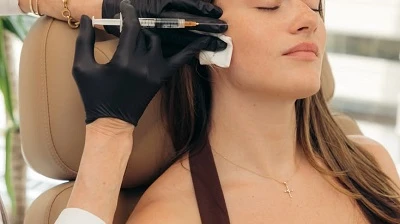
Explore glutathione injections, their potential benefits, uses, safety considerations, and what to know before treatment.
Glutathione injections have become increasingly popular among people interested in brighter-looking skin, antioxidant support, and cosmetic wellness treatments. Searches for Glutathione Injections in Muscat often come from people who want to understand whether the treatment is genuinely suitable for them, what it can realistically achieve, and whether it is safe.
Glutathione is a naturally occurring antioxidant produced by the body. It plays an important role in protecting cells from oxidative stress and supporting several normal cellular processes. In cosmetic settings, however, injectable glutathione is often promoted primarily for skin brightening or reducing the appearance of uneven pigmentation.
The important question is not simply whether glutathione injections are popular. It is whether the treatment is appropriate for a particular person and whether the expected benefits justify the potential risks. Current evidence suggests that injectable glutathione for cosmetic skin lightening should be approached cautiously because research on its effectiveness, ideal dosing, long-term safety, and duration of results remains limited. A recent systematic review found particularly limited evidence for intravenous glutathione and raised concerns about adverse effects.
What Are Glutathione Injections?
Glutathione is a small molecule made from three amino acids: cysteine, glutamic acid, and glycine. It naturally occurs throughout the body and functions as an important antioxidant.
Glutathione injections deliver the substance through an injectable route, commonly intravenously or intramuscularly depending on the treatment protocol. Injectable administration is different from taking glutathione orally or applying it topically because it introduces the substance directly into the body rather than relying on gastrointestinal absorption or skin penetration.
In aesthetic medicine, glutathione injections are commonly associated with skin-brightening treatments. The proposed cosmetic effect is related to glutathione's influence on melanin production. Research suggests that glutathione may affect the activity of tyrosinase, an enzyme involved in melanin production, and may influence the type of melanin produced.
However, a biological mechanism does not automatically mean that a treatment will produce a predictable cosmetic result in every person. Clinical evidence is still developing, and studies have used different formulations, doses, treatment schedules, and outcome measures.
For that reason, anyone considering Glutathione Injections in Muscat should view the treatment as a medical procedure rather than simply another skincare product.
Who May Consider Glutathione Injections?
Glutathione injections are generally considered by adults who are interested in cosmetic skin-brightening or who have concerns about uneven-looking pigmentation. Some people may also be attracted to the antioxidant properties of glutathione.
However, being interested in the treatment does not automatically make someone a suitable candidate.
A proper assessment should consider the person's overall health, medical history, medications, allergies, previous reactions to injectable treatments, pregnancy status where relevant, and the actual reason for seeking treatment.
People concerned about pigmentation should also understand that dark spots and uneven skin tone can have many causes. Melasma, post-inflammatory hyperpigmentation, sun exposure, hormonal changes, acne-related marks, and certain medications can all contribute to pigmentation. Treating the underlying cause is often more important than simply trying to make the skin lighter.
For example, someone with melasma may require a structured approach involving sun protection and dermatologist-recommended topical or procedural treatments rather than relying exclusively on systemic glutathione.
The suitability of any injectable treatment should therefore be determined following an appropriate medical assessment.
Can Glutathione Injections Actually Lighten the Skin?
This is one of the most common questions surrounding glutathione.
Research has suggested that glutathione may have a skin-brightening effect, but the evidence is not strong enough to guarantee a particular result from injections. Earlier clinical research found some potential benefits with oral and topical glutathione, while evidence for intravenous glutathione has remained particularly limited.
A 2025 systematic review examining glutathione for skin lightening and melasma reported that most of the available evidence involved topical or oral preparations. Only one placebo-controlled study involving intravenous glutathione was identified, and the review concluded that intravenous glutathione had insufficient evidence of efficacy and important safety concerns.
A 2026 review reached a similar conclusion, noting that studies of intravenous glutathione generally involve small numbers of participants, inconsistent treatment protocols, limited follow-up, and uncertain long-term outcomes. The review concluded that current evidence is not sufficient to support routine intravenous glutathione for cosmetic skin lightening.
This means that people considering Glutathione Injections in Muscat should be cautious about claims promising dramatic, permanent, or guaranteed skin whitening.
Results can vary considerably, and any cosmetic improvement may not be permanent.
What Are the Potential Risks and Safety Concerns?
Because glutathione is naturally produced by the body, it can sometimes be assumed that injectable glutathione is automatically harmless. That assumption is not appropriate.
The method of administration matters. An injectable product must meet appropriate standards for sterility, quality, preparation, storage, and administration. Problems with the injectable product itself can create risks that would not necessarily apply to naturally occurring glutathione in the body.
Potential adverse effects reported in studies and safety reviews have included infusion-related reactions, nausea, abdominal symptoms, dizziness, and other unwanted effects. More serious reactions, including hypersensitivity or anaphylaxis, have also been reported.
There are also important concerns about the quality of compounded injectable glutathione. In August 2026, the U.S. Food and Drug Administration warned compounders not to use dietary-supplement-grade glutathione as an ingredient for injectable drugs. The agency reported adverse events associated with certain compounded glutathione injections, including fever, chills, pain, dizziness, hypotension, and sepsis-like symptoms, and identified concerns involving endotoxin contamination.
This does not mean that every glutathione injection is contaminated or unsafe. It does highlight why injectable products require appropriate medical oversight and pharmaceutical-quality handling.
Anyone considering treatment should therefore ask what product is being used, how it is prepared or supplied, how it is stored, and whether the treatment is being administered in an appropriate medical environment.
Glutathione Injections vs. Other Skin-Brightening Options
Not every person seeking brighter or more even-looking skin needs an injectable treatment.
Depending on the underlying concern, healthcare professionals may consider options such as topical skincare ingredients, prescription treatments, chemical peels, laser-based procedures, microneedling, or other approaches. The most appropriate option depends on the diagnosis, skin type, pigmentation pattern, medical history, and treatment goals.
Research on topical and oral glutathione has produced some promising findings, although evidence remains limited and results are not necessarily permanent. A recent systematic review of topical glutathione found potential improvements in hyperpigmentation and certain skin-related measures but also emphasized that more high-quality research is needed.
For someone with pigmentation caused by sun exposure, for example, daily broad-spectrum sunscreen and appropriate skincare may be more fundamental than an injectable antioxidant. For someone with melasma, identifying triggers and using evidence-based pigment management may be more useful than focusing solely on overall skin lightening.
The key principle is that treatment should match the condition.
What Should Someone Ask Before Getting Glutathione Injections in Muscat?
Anyone considering Glutathione Injections in Muscat can benefit from having a clear discussion with a qualified healthcare professional before treatment.
Important questions can include:
-
What is the purpose of the treatment?
-
Is the goal skin brightening, pigmentation management, or another medical objective?
-
Is injectable glutathione appropriate for the person's health history?
-
Which form of glutathione is being administered?
-
Is the product intended and prepared for injection?
-
How is the product stored and handled?
-
What side effects can occur?
-
What should be done if an allergic or other serious reaction occurs?
-
Are there safer or better-supported alternatives for the specific skin concern?
-
What level of improvement is realistically expected?
-
Is the effect temporary or potentially long-lasting?
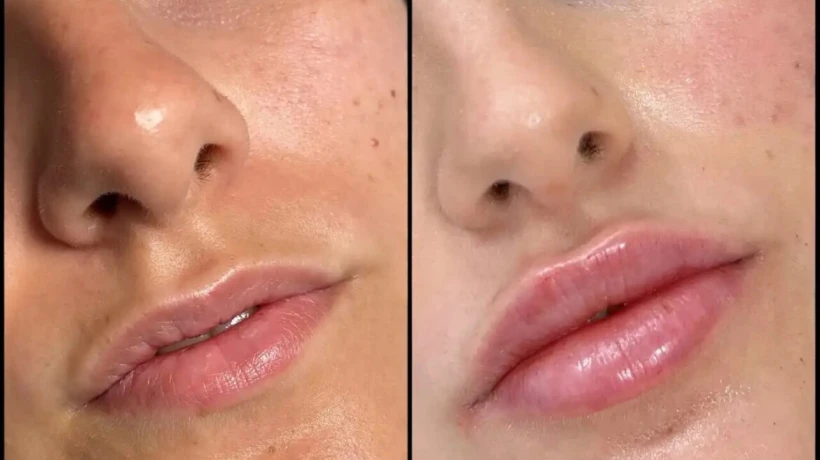
It is also important to avoid relying solely on before-and-after photographs or social media testimonials. Such images can be influenced by lighting, camera settings, makeup, filters, tanning, skincare routines, and other factors.
A medical consultation should focus on the individual's actual skin concern rather than on achieving an unrealistic idea of a particular skin color.
Who Should Be Especially Cautious?
People with significant medical conditions, known allergies, a history of reactions to injectable medicines, or complex medication schedules should discuss glutathione injections with an appropriate healthcare professional before considering treatment.
Pregnant or breastfeeding individuals should also seek medical advice before undergoing elective injectable treatments.
People who are seeking treatment for a diagnosed pigmentation disorder should ideally have the condition evaluated first. Treating pigmentation without understanding its cause may delay more appropriate care.
Another important consideration is the source and quality of the injectable product. The FDA's recent safety communication demonstrates why using an appropriate pharmaceutical-quality ingredient matters for injectable preparations.
A qualified healthcare professional can help determine whether treatment is appropriate and can explain realistic expectations, alternatives, and potential risks.
Frequently Asked Questions
1. Are glutathione injections safe for everyone?
No. Glutathione is naturally produced by the body, but that does not make injectable glutathione suitable for everyone. Injectable treatments carry their own risks, including reactions to the substance, the formulation, or the administration process. Medical assessment is important before treatment.
2. Do glutathione injections permanently lighten the skin?
There is no strong evidence showing that injectable glutathione produces permanent skin lightening. Available research is limited, and reported effects can vary. Some studies have suggested changes in pigmentation, but long-term outcomes and maintenance requirements remain uncertain.
3. Are glutathione injections effective for melasma?
The evidence is not strong enough to consider intravenous glutathione a reliably established treatment for melasma. Melasma can have several contributing factors and often requires a more comprehensive treatment plan involving sun protection and condition-specific therapies.
4. How quickly do glutathione injections show results?
There is no scientifically established timeline that guarantees when a person will notice cosmetic improvement. Results can differ according to the individual, treatment protocol, skin condition, and other factors. Claims of rapid or guaranteed transformation should therefore be approached cautiously.
5. Can glutathione injections cause side effects?
Yes. Reported adverse effects can include nausea, dizziness, infusion-related reactions, and gastrointestinal symptoms. More serious reactions, including hypersensitivity, have also been reported. Product quality and sterile preparation are additional safety considerations.
6. What is the most important thing to consider before treatment?
The most important consideration is whether the treatment is appropriate for the individual's actual health and cosmetic goals. A qualified healthcare professional can assess the cause of pigmentation, discuss alternatives, explain realistic expectations, and evaluate potential risks before an injectable treatment is considered.
Final Thoughts
Glutathione is an important antioxidant naturally present in the human body, and its potential effects on pigmentation have attracted significant interest in aesthetic medicine. However, popularity should not be confused with strong clinical evidence.
For people researching Glutathione Injections in Muscat, the most useful approach is to look beyond promotional claims and understand what current research actually shows. Evidence for intravenous glutathione as a cosmetic skin-lightening treatment remains limited, while concerns about adverse effects, long-term safety, standardized dosing, and injectable product quality deserve careful consideration.
A responsible treatment decision begins with identifying the underlying skin concern, understanding available alternatives, checking the quality and intended use of the injectable product, and discussing personal medical factors with a qualified healthcare professional.
Glutathione injections may be considered by some adults for cosmetic purposes, but they should not be viewed as a universal solution for brighter skin or overall wellness. Informed decisions, realistic expectations, appropriate medical supervision, and attention to safety remain the most important parts of the process.
Read More About Glutathione Injections: https://comunidad.espoesia.com/enfieldclinicoman/glutathione-injections-and-diet-does-food-affect-results/
Comments
Login to Comment