Glasgow Hop-On Hop-Off Bus: The Ultimate Route for History and Culture Lovers
14 Sep, 2026
4 Views 0 Like(s)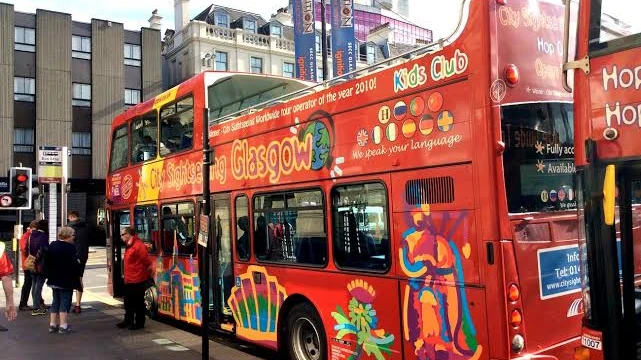
A Glasgow Hop On Hop Off bus provides a convenient way to connect these different areas while giving visitors an overview of the city along the way. Rather than simply ticking off attractions, this guide focuses on how to use Hop On Hop Off Glasgow to understand the historical and cultural stories that shaped the city.
Glasgow is a city where centuries of history meet a constantly evolving cultural scene. Its story stretches from mediaeval Glasgow and the legacy of St Mungo to the dramatic industrial expansion that transformed the city into one of Britain's most important manufacturing and shipbuilding centres. Victorian architecture, grand civic buildings, museums, art institutions, music venues and contemporary creative spaces all contribute to Glasgow's distinctive character.
The challenge for history and culture lovers is that these experiences are spread across different parts of the city. Mediaeval landmarks sit east of the modern city centre, while the River Clyde and Riverside Museum reveal Glasgow's industrial past. Further west, the University of Glasgow and Kelvingrove introduce visitors to architecture, education, art and culture.
A Glasgow Hop On Hop Off bus provides a convenient way to connect these different areas while giving visitors an overview of the city along the way. Rather than simply ticking off attractions, this guide focuses on how to use Hop On Hop Off Glasgow to understand the historical and cultural stories that shaped the city.
Why Hop On Hop Off Glasgow Works for History and Culture Lovers
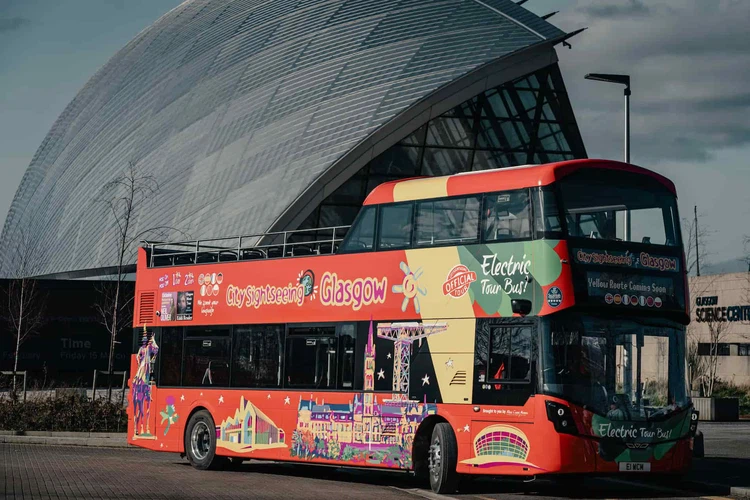
A sightseeing bus can be particularly useful in Glasgow because the city's historical and cultural attractions are spread across several distinct neighbourhoods. Walking between every major attraction can take valuable sightseeing time, especially when your itinerary includes both the eastern historic district and western museums and architecture.
The Hop On Hop Off Bus experience connects multiple historic districts, museums and cultural areas while allowing passengers to see parts of the city between stops. The current sightseeing route has 24 stops and covers important areas including George Square, Glasgow Cathedral, Merchant City, Glasgow Green, Riverside Museum, Govan, the University of Glasgow and Kelvingrove.
Another advantage is the opportunity to see Glasgow's architecture and urban landscape from the bus. The River Clyde, historic buildings, bridges and changing neighbourhoods become part of the sightseeing experience. Onboard commentary can also provide useful context while you travel between attractions.
The bus isn't the attraction itself—it is the connection between Glasgow's different historical and cultural stories.
Glasgow Hop On Hop Off Route at a Glance
Before planning individual visits, it helps to think of the Glasgow route as a journey through different periods of the city's development. Instead of treating all stops equally, history and culture lovers can prioritise the areas that best match their interests.
The eastern part of the route is particularly important for understanding Glasgow's origins. Glasgow Cathedral, Cathedral Square and nearby historic attractions provide an introduction to the city's medieval story. Merchant City then demonstrates how trade and commercial wealth influenced urban development.
In the centre, George Square represents Glasgow's civic and Victorian identity, while Glasgow Green provides a different perspective through social and working-class history.
Further west, the story changes again. The University of Glasgow, Kelvingrove and the surrounding West End introduce architecture, education, art and cultural life. Along the Clyde, meanwhile, visitors can explore the industrial and maritime history that helped make Glasgow internationally important.
Route philosophy:
-
East = medieval and early Glasgow
-
Centre = civic and commercial history
-
West = university, art and cultural institutions
-
Clyde = industrial and maritime history
Stop 1 – George Square: Glasgow's Civic History
George Square is one of the best places to begin exploring Glasgow's civic and architectural history. Located in the heart of the city, the square is surrounded by impressive buildings and monuments that reflect Glasgow's growth and importance, particularly during the Victorian period.
The Glasgow City Chambers dominate the eastern side of the square and provide one of the city's most striking examples of civic architecture. Statues and monuments around the square also reflect important figures and events connected with Scotland and Glasgow.
For history lovers, George Square is more than a convenient city-centre meeting point. It represents the confidence and ambition of a city that became increasingly wealthy and influential during the nineteenth century. The surrounding architecture gives visitors an immediate sense of Glasgow's Victorian identity.
This is a good place to start before travelling further into the city because it provides context for many of the architectural and commercial developments you will see later.
Suggested time: 30–45 minutes
Best for: Architecture, civic history and photography.
Stop 2 – Glasgow Cathedral: Discover Medieval Glasgow
For visitors interested in Glasgow's earliest history, the Cathedral Square area deserves plenty of attention. Glasgow Cathedral is one of the city's most important surviving medieval buildings and provides a direct connection to the religious foundations of historic Glasgow.
The cathedral is closely associated with St Mungo, traditionally regarded as the patron saint and founder of Glasgow. Its architecture and atmosphere offer a very different experience from the Victorian buildings found around George Square.
The surrounding area also contains several attractions that make it worth hopping off the sightseeing bus. The Necropolis, located beside the cathedral, offers views across the city as well as an opportunity to explore Glasgow's historic burial landscape. St Mungo Museum of Religious Life and Art provides another cultural perspective, while Provand's Lordship gives visitors a glimpse into the city's much older built heritage.
Rather than trying to see this area quickly, history lovers should hop off here and explore on foot. The attractions are close enough to combine into a focused historical walk.
Suggested time: 60–90 minutes
History-lover highlight: Glasgow Cathedral provides one of the strongest connections to the city's medieval past.
Stop 3 – Merchant City: Glasgow's Commercial Heritage
Merchant City offers another important chapter in Glasgow's development. The area reflects the wealth and influence created through commerce and trade, with historic buildings, former warehouses, streets and architectural details providing clues to the city's commercial past.
Trongate and High Street are particularly useful areas to explore on foot. Instead of viewing Merchant City only from the bus, take some time to walk through its streets and observe how older buildings sit alongside modern restaurants, shops, galleries and street art.
The district demonstrates how Glasgow's economic success influenced its urban landscape. Wealth generated through trade helped shape impressive buildings and commercial areas, while the changing uses of historic spaces show how the neighbourhood has evolved over time.
Merchant City is therefore both historical and contemporary. Visitors can study architecture and commercial history while also experiencing one of Glasgow's livelier cultural districts.
Suggested time: 45–60 minutes
A short walking exploration is recommended here because many of the area's interesting details are found at street level.
Stop 4 – Glasgow Green & the People's Palace
Glasgow Green introduces a different side of the city's history. Rather than focusing primarily on wealthy merchants, grand civic architecture or medieval religious buildings, this area provides insight into the lives of ordinary Glaswegians.
Glasgow Green is the city's oldest public park and has long been associated with recreation, public gatherings and community life. Within the park, the People's Palace offers an important social-history perspective, presenting stories connected with Glasgow and its people.
The Doulton Fountain and the distinctive Templeton Building add architectural interest to the area. Together, these sights make Glasgow Green a useful stop for understanding the social development of the city.
For history and culture lovers, this part of the route is valuable because it expands the story beyond famous buildings. Glasgow's history is not only about industrialists, merchants and civic leaders; it is also about working communities, everyday life and social change.
Suggested time: around 60 minutes
Best for: Social history, local culture, families and museum visitors.
Stop 5 – The River Clyde: Glasgow's Industrial Story
The River Clyde is essential to understanding Glasgow. The city's industrial identity, particularly its reputation for shipbuilding and engineering, is closely connected with the river and the communities that developed around it.
As the sightseeing bus travels through the Clyde area, passengers can observe the waterfront, bridges, changing industrial landscapes and areas of modern redevelopment. The view provides a useful introduction to the scale of Glasgow's relationship with the river.
For generations, the Clyde supported major industrial activity and played an important role in Glasgow's international development. Shipbuilding became one of the defining industries associated with the city, while engineering and manufacturing helped establish Glasgow as a major industrial centre.
This is one section where staying on the bus for part of the journey can actually improve the experience. Seeing the waterfront as a continuous landscape helps explain how industrial Glasgow developed.
After taking in the Clyde from the bus, hop off and continue toward Riverside Museum for a more detailed look at the city's transport and industrial heritage.
Stop 6 – Riverside Museum: Transport, Industry & Maritime History
Riverside Museum is one of the strongest stops on the Glasgow sightseeing route for visitors who want to understand the city's industrial transformation. Located beside the River Clyde, the museum focuses on transport and Glasgow's wider industrial and maritime story.
The museum's collections provide a window into how people travelled, worked and lived during different periods. For visitors interested in Glasgow's shipbuilding heritage, the surrounding waterfront adds another layer of context.
The Tall Ship outside the museum is particularly relevant to the city's maritime identity. Together, the museum and its riverside setting demonstrate why the Clyde became such an important part of Glasgow's economic and industrial development.
This stop works particularly well for first-time visitors because it combines historical information with engaging exhibits. Families can also find plenty to explore, while transport enthusiasts and industrial-history lovers may want to allow additional time.
Suggested time: 60–90 minutes
Best for: Families, industrial-history enthusiasts, transport enthusiasts and first-time visitors.
Stop 7 – Govan: Discover Glasgow's Shipbuilding Heritage
Govan provides another opportunity to explore Glasgow's relationship with shipbuilding and the River Clyde. Historically, the area developed as an important industrial and working community, with shipbuilding becoming central to its identity.
For visitors particularly interested in industrial history, Govan adds useful context to the Riverside Museum experience. Instead of seeing shipbuilding only through museum displays, travellers can understand the broader communities and waterfront areas associated with the industry.
The area also demonstrates that Glasgow's industrial heritage was not limited to factories and shipyards. It influenced neighbourhoods, employment, communities and everyday life along the Clyde.
Govan may not require as much time as Glasgow Cathedral or Kelvingrove for a general sightseeing itinerary, but it becomes much more significant for travellers specifically researching Glasgow's shipbuilding heritage.
Suggested time: 30–45 minutes
Best for: Shipbuilding enthusiasts, industrial-history visitors and travellers interested in working-class heritage.
Stop 8 – University of Glasgow: Architecture, Education & Culture
The University of Glasgow provides a dramatic change of atmosphere as the route moves into the West End. Founded in the fifteenth century, the university is an important part of the city's educational and intellectual history.
Its distinctive Gothic Revival architecture makes the campus one of the most memorable architectural sights in Glasgow. The Cloisters are particularly popular with photographers, while the surrounding university buildings provide plenty of opportunities to appreciate the city's architectural character.
The university is also connected to Glasgow's wider cultural and design history. The city's reputation for architecture, art and design developed through institutions, artists, architects and educators, and the West End provides an excellent setting for exploring these connections.
Visitors should allow time to walk around rather than simply photographing the university from the bus. The combination of architecture, university history and the surrounding West End makes this one of the most rewarding stops for culture-focused travellers.
Suggested time: 45–60 minutes
Photography opportunity: The university architecture and Cloisters are especially attractive for photography.
Stop 9 – Kelvingrove: Glasgow's Art & Museum Quarter
Kelvingrove is where a history-focused journey naturally develops into a broader exploration of art and culture. Kelvingrove Art Gallery and Museum is one of Glasgow's major cultural attractions, with collections covering art, natural history and other subjects.
The museum's European art collections make it especially valuable for visitors interested in art history, while the wider exhibits allow travellers to move between artistic, historical and natural themes.
Kelvingrove Park also adds an important outdoor element. After spending time inside the museum, visitors can explore the surrounding park and continue discovering the West End on foot.
For travellers with limited time, it may be better to choose either Riverside Museum or Kelvingrove rather than rushing through both. Riverside provides a stronger industrial and transport focus, while Kelvingrove offers a broader art and cultural experience.
Suggested time: 60–90 minutes
Why it matters: Kelvingrove provides the ideal transition from Glasgow's industrial and architectural history into its artistic and cultural identity.
Glasgow's Music & Cultural Identity
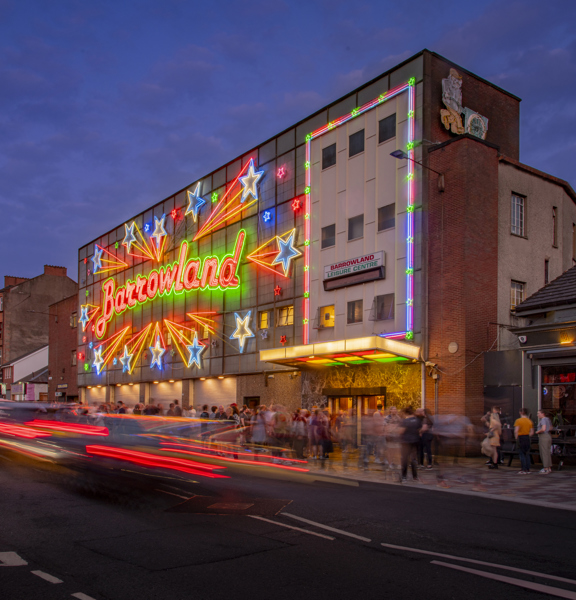
Glasgow's cultural identity extends well beyond museums and historic buildings. The city has a strong reputation for live music and is home to a wide range of venues, creative spaces and cultural events.
Music is particularly important to understanding contemporary Glasgow. Visitors can experience everything from established concert venues to smaller independent spaces where local and emerging artists perform. Traditional Scottish culture also remains visible through music, festivals and community events.
Street art adds another modern layer to the city's visual identity. Areas around the city centre and Merchant City demonstrate how contemporary creativity can exist alongside historic architecture.
The sightseeing bus is useful for introducing visitors to these different parts of Glasgow, but the strongest cultural experiences often begin after getting off. Spend time walking through neighbourhoods, visiting independent shops, exploring galleries, trying local food or checking what music and cultural events are taking place during your visit.
The bus provides the framework; independent exploration adds the personality.
Best Glasgow Hop On Hop Off Stops for History Lovers
History lovers do not need to visit every stop on the route. Instead, prioritise locations that reveal different stages of Glasgow's development.
|
Stop |
Historical Highlight |
Recommended Time |
|
George Square |
Victorian civic Glasgow |
30–45 min |
|
Cathedral Square |
Medieval Glasgow |
60–90 min |
|
Merchant City |
Merchant/commercial history |
45–60 min |
|
Glasgow Green |
Social history |
45–60 min |
|
Riverside Museum |
Industrial & transport history |
60–90 min |
|
Govan |
Shipbuilding heritage |
30–45 min |
|
University |
Education & architecture |
45–60 min |
|
Kelvingrove |
Art & cultural history |
60–90 min |
If your main interest is historical development, a route combining George Square, Cathedral Square, Merchant City, Glasgow Green and the Clyde provides a particularly broad overview.
Remember that route details, stop arrangements and operating schedules can change. Check the latest route map and stop information before travelling.
Best Glasgow Hop On Hop Off Stops for Culture Lovers
Culture-focused travellers may want to approach the route differently. Instead of concentrating only on the oldest buildings, combine museums, architecture, art and neighbourhood experiences.
Merchant City is useful for combining historic architecture with modern restaurants, shops and street art. The University of Glasgow introduces visitors to architecture and the intellectual side of the city, while Kelvingrove offers one of the strongest combinations of art, history and museum culture.
Riverside Museum provides an important industrial-cultural experience, particularly for visitors interested in how Glasgow's working identity shaped the city. Glasgow Green adds social history through the People's Palace and the surrounding park.
The city centre should also remain part of a cultural itinerary. Beyond the major attractions, visitors can discover independent shops, street art, restaurants, music venues and temporary cultural events.
For the richest experience, combine planned museum visits with time to simply walk around Glasgow. Some of the city's most interesting cultural details are found between the major attractions.
The Ultimate One-Day Glasgow History & Culture Itinerary
A one-day Glasgow itinerary should balance major historical attractions with enough travel time and opportunities to explore on foot. Trying to visit every museum will usually make the day feel rushed.
9:00 AM – George Square
Begin in George Square and take time to appreciate the Glasgow City Chambers, monuments and Victorian architecture.
Allow 30–40 minutes.
9:45 AM – Glasgow Cathedral
Travel to the Cathedral area and explore Glasgow Cathedral and, if time allows, the Necropolis.
Allow 60–75 minutes.
11:15 AM – Merchant City
Continue into Merchant City for a walking exploration of historic streets, architecture and the area's modern cultural atmosphere.
Allow around 45 minutes.
12:00 PM – Glasgow Green
Head towards Glasgow Green and visit the People's Palace or explore the park and Doulton Fountain.
Allow 45–60 minutes.
1:00 PM – Lunch
Take a short lunch break before continuing towards the Clyde and western part of the city.
Allow 30–45 minutes.
2:00 PM – Riverside Museum
Spend the afternoon exploring Glasgow's transport, industrial and maritime heritage. The Clyde-side setting adds valuable context to the exhibits.
Allow 60–75 minutes.
3:30 PM – University of Glasgow
Travel towards the West End and explore the university grounds, architecture and Cloisters.
Allow around 45 minutes.
4:30 PM – Kelvingrove
Finish the museum portion of your day at Kelvingrove Art Gallery and Museum. If you prefer outdoor exploration, combine the visit with a walk through Kelvingrove Park.
Allow 60–90 minutes.
6:00 PM – Return to City Centre
Return towards the city centre and finish your day with Merchant City's restaurants, Buchanan Street, a music venue or dinner.
This itinerary works because it follows Glasgow's story rather than simply jumping randomly between attractions: medieval history, commercial development, social history, industrial heritage, education and finally art and culture.
What Can You See Without Getting Off the Bus?
Not every interesting sight requires a stop. One of the benefits of the Glasgow Hop On Hop Off experience is being able to use the journey itself as sightseeing time.
From the upper deck, passengers can look for historic buildings, Victorian streets, civic architecture and changing neighbourhoods. George Square and the surrounding city centre offer numerous architectural views, while the journey along the River Clyde provides a broader perspective of Glasgow's industrial waterfront and bridges.
As the route continues towards the West End, passengers can also observe the architecture around the University of Glasgow and the changing character of the city.
This is particularly useful when time is limited. Instead of hopping off at every stop, choose a handful of places that deserve detailed exploration and enjoy the remaining areas from the bus.
Use the bus ride as a moving history lesson.
How to Make Your Glasgow History Tour More Enjoyable
A successful history and culture itinerary is not necessarily the one that contains the most stops. The key is to choose experiences that complement each other.
Start early so that you have enough time for the major attractions. Pick around five or six priority stops rather than attempting to visit every museum. Listening to the onboard commentary can also make the journey between attractions more meaningful.
The upper deck is useful for photography and for getting a broader view of Glasgow's architecture and streetscape. At the same time, comfortable walking shoes are important because the best historical and cultural experiences often require exploring beyond the bus stop.
Check attraction opening times before travelling and allow extra time for queues at popular museums. It is also sensible to check bus frequency before hopping off, particularly when you are following a tightly planned itinerary.
Finally, leave some space for unexpected discoveries. A historic building, street-art piece, independent shop or small cultural venue can easily become one of the highlights of your day.
Golden rule: Don't confuse the number of stops with the number of attractions you need to visit.
Hop On Hop Off Glasgow vs Exploring on Foot
Both sightseeing buses and walking have a place in a Glasgow history and culture itinerary. The best approach is usually to combine them rather than choosing only one.
|
Factor |
Hop On Hop Off |
Walking |
|
City coverage |
⭐⭐⭐⭐⭐ |
⭐⭐⭐ |
|
Historical sightseeing |
⭐⭐⭐⭐⭐ |
⭐⭐⭐⭐⭐ |
|
Convenience |
⭐⭐⭐⭐⭐ |
⭐⭐⭐ |
|
Architecture |
⭐⭐⭐⭐⭐ |
⭐⭐⭐⭐⭐ |
|
Commentary |
⭐⭐⭐⭐⭐ |
⭐ |
|
Flexibility |
⭐⭐⭐⭐ |
⭐⭐⭐⭐⭐ |
|
Physical effort |
Lower |
Higher |
The main advantage of the bus is distance. It allows visitors to connect the medieval east, central civic areas, Clyde waterfront and West End without spending the entire day walking between them.
Walking, however, provides greater freedom to stop whenever something catches your attention. Historic streets, architecture, museums and neighbourhood details are often best appreciated at street level.
Verdict: Use the bus for distance and context; use walking for deeper exploration.
Common Mistakes History & Culture Lovers Should Avoid
Mistake 1: Trying to visit every museum
Glasgow has too many cultural attractions to experience properly in one day. Choose the museums that match your interests.
Mistake 2: Staying on the bus for the entire tour
The bus is excellent for seeing the city, but major attractions such as the cathedral and museums deserve time on foot.
Mistake 3: Ignoring the River Clyde
The Clyde is fundamental to understanding Glasgow's industrial and maritime history.
Mistake 4: Skipping Glasgow Cathedral
Visitors interested in history should not overlook one of Glasgow's most important medieval landmarks.
Mistake 5: Only visiting famous attractions
Neighbourhoods, street art, independent cultural spaces and local architecture can provide some of the most interesting experiences.
Mistake 6: Not leaving time for independent exploration
A structured route is useful, but Glasgow becomes more rewarding when you have time to wander beyond the planned itinerary.
Frequently Asked Questions
Is Glasgow Hop On Hop Off good for history lovers?
Yes. A Glasgow Hop On Hop Off tour is particularly useful for history lovers because it connects areas representing different periods of the city's development, from medieval Glasgow and Victorian civic architecture to industrial and maritime heritage.
Which Hop On Hop Off Glasgow stop is best for history?
Cathedral Square is one of the strongest choices for early Glasgow history because it provides access to Glasgow Cathedral, the Necropolis, St Mungo Museum and Provand's Lordship.
Does Glasgow Hop On Hop Off go to Glasgow Cathedral?
The route includes the Cathedral Square area, making it convenient for visitors who want to explore Glasgow Cathedral and the surrounding historic attractions.
Can I visit Riverside Museum by Hop On Hop Off Glasgow?
Yes. Riverside Museum is one of the major cultural attractions covered by the sightseeing route and is an excellent choice for visitors interested in transport, industry and maritime history.
Does the sightseeing bus stop near the University of Glasgow?
The route includes the University of Glasgow area, making it possible to combine sightseeing by bus with a walking visit to the university and its architecture.
What are the best cultural attractions in Glasgow?
Kelvingrove Art Gallery and Museum, Riverside Museum, the University of Glasgow, Merchant City and Glasgow Green are among the strongest choices for a culture-focused itinerary.
Can I see Glasgow's industrial history by sightseeing bus?
Yes. The route provides views of the River Clyde, waterfront areas and industrial landscapes. Hopping off at Riverside Museum provides a deeper look at Glasgow's industrial and transport heritage.
How long does the Glasgow Hop On Hop Off tour take?
The total sightseeing journey depends on the current operating schedule, route conditions and stops you choose. Visitors should check the latest timetable and route information before travelling.
Can I see Glasgow's main historical attractions in one day?
You can see several major historical attractions in one day if you prioritise them. George Square, Glasgow Cathedral, Merchant City, Glasgow Green and Riverside Museum make a strong foundation for a history-focused itinerary.
Is Hop On Hop Off Glasgow worth it for first-time visitors?
For first-time visitors, the bus can be a convenient way to understand Glasgow's layout and connect attractions across different parts of the city. It works best when combined with walking and focused visits rather than treating the entire experience as a continuous bus ride.
Final Verdict: The Best Glasgow Route for History & Culture
For history and culture lovers, the best Hop On Hop Off Glasgow experience is not about visiting every one of the 24 stops. It is about selecting stops that tell different chapters of the city's story.
Start with George Square and Glasgow Cathedral to understand Glasgow's civic and medieval foundations. Continue through Merchant City and Glasgow Green for commercial and social history, then follow the River Clyde towards the River


Comments
Login to Comment