From CES to MRO Americas: How Tradeshow Booth Construction Services Adapt Across Industries
17 Aug, 2026
597 Views 0 Like(s)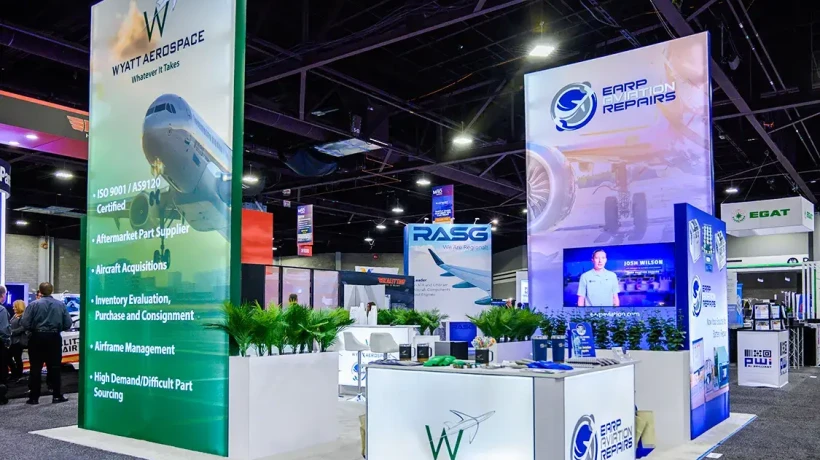
Not all booths are built the same. Explore how tradeshow booth construction services adapt design across CES and MRO Americas.
Walk the floor at CES in Las Vegas, then walk the floor at MRO Americas in Orlando a few months later, and you'd be forgiven for thinking you'd entered two entirely different worlds. One is a sea of sleek consumer technology, interactive demos, and flashy lighting. The other is dense with technical equipment, engineering credentials, and serious B2B conversations between aviation professionals. Yet behind both events sit the same core discipline: tradeshow booth construction services that know how to build for the audience in front of them, not just the industry on paper.
The best exhibit partners aren't one-size-fits-all vendors, they're specialists in translating a brand's goals into the right physical experience for a specific show floor. Here's how that adaptation actually works.
Understanding the Audience Changes Everything
The starting point for any strong booth isn't the design, it's the buyer. CES draws consumers, media, and tech enthusiasts alongside B2B buyers, meaning booths often lean into spectacle: bold visuals, hands-on product interaction, and social-media-worthy moments. MRO Americas draws airline maintenance executives, engineers, and procurement teams who are there to evaluate technical capability, not be entertained.
Quality trade show booth design services start by asking who's actually walking the floor, because that answer shapes everything downstream, layout, messaging, materials, and even how much open space a booth needs for serious conversations versus quick, high-traffic engagement.
Consumer Tech vs. Industrial B2B: Two Different Design Languages
At a show like CES, booths often prioritize:
· Bright, high-impact visuals designed to stop foot traffic
· Interactive product demos attendees can try hands-on
· Open, inviting layouts that encourage casual walk-ins
· Digital displays and screens showcasing product features in real time
At MRO Americas, the priorities shift substantially:
· Space for real equipment, tooling, or component displays
· Private or semi-private meeting areas for technical, often confidential discussions
· Clear signage and materials that communicate technical specifications, not just brand personality
· A more restrained, credibility-driven aesthetic over flashy spectacle
Experienced trade show exhibit builders understand this distinction instinctively. A booth built for CES dropped into MRO Americas would feel out of place, too loud, too consumer-facing, not built for the kind of buyer walking that floor.

Structural and Logistical Differences Matter Too
It's not just aesthetics that shift between industries, the physical construction requirements change as well.
· Weight and equipment support: Aviation exhibitors often need booths engineered to display or support heavy components, which requires different structural planning than a typical tech booth
· Venue-specific regulations: Different convention centers have different rules around drayage, union labor, and booth height restrictions
· Technology integration: Consumer tech booths may need robust AV and connectivity infrastructure; industrial booths may prioritize durable materials and functional workspace instead
Custom booth builders who work across multiple industries bring this operational knowledge into every project, which means fewer surprises during installation and a build that's engineered correctly the first time.
Why Custom Beats Generic, Regardless of Industry
Whether it's a startup launching a product at CES or an aerospace supplier meeting airline buyers at MRO Americas, the underlying principle holds: a generic, templated booth rarely serves the brand well. Custom exhibit builders design around the specific story a company needs to tell, and that story looks completely different depending on the audience.
A custom approach allows exhibitors to:
· Align the booth's visual language with what their specific buyers expect and respond to
· Build in the functional space their sales process actually requires (demo stations vs. private meeting rooms)
· Differentiate from competitors exhibiting in the same category, on the same floor
· Reuse structural elements across future shows while adapting the surface-level branding
The value of specialized exhibition booth design services isn't just aesthetic polish, it's a partner who understands that "what works" is entirely dependent on context.
What This Means for Exhibitors Planning Across Multiple Shows
Companies that exhibit at more than one major event, say, a technology company also active in industrial or B2B trade shows, need a construction partner capable of shifting design language between audiences without losing brand consistency. That's a genuinely different skill set than simply building booths.
Look for partners who can show:
· A portfolio spanning multiple industries, not just one vertical
· A clear process for translating brand identity into different show contexts
· In-house engineering and production capability, so structural adaptations (weight loads, technical displays, etc.) aren't outsourced to a third party
· Familiarity with the specific logistics of each venue you're exhibiting at
The Bottom Line
CES and MRO Americas may sit at opposite ends of the exhibition spectrum, one built on spectacle, the other on technical credibility, but both demand the same underlying expertise: knowing your audience and building specifically for them. The strongest tradeshow booth construction services don't apply a single template across every show. They adapt structure, materials, layout, and tone to match the buyers actually walking the floor, whether that floor is packed with tech enthusiasts in Las Vegas or aviation engineers in Orlando.
For exhibitors planning across multiple industries or shows in 2027, the smartest move is partnering with a builder who's proven they can make that shift, not one who's only ever built for a single type of audience.

Comments
Login to Comment