From Boring Trophies to Breathtaking Art: The Evolution of the Best Design Awards.
12 Feb, 2026
7851 Views 0 Like(s)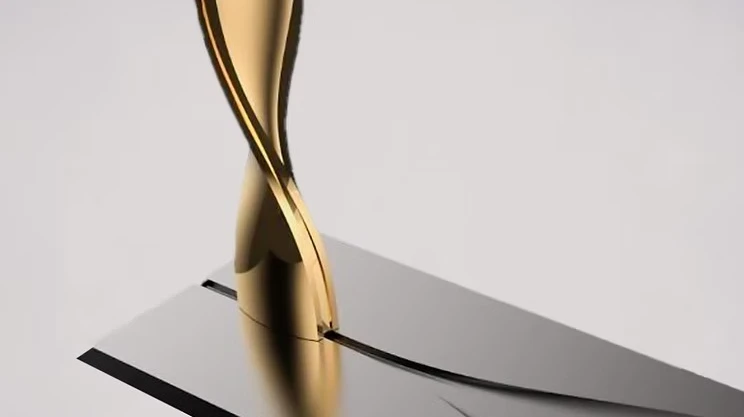
Forget the dusty trophies and predictable plaques of yesteryear. The world's most prestigious design awards have undergone a radical metamorphosis, evolving from mere symbols of achievement into coveted pieces of breathtaking art. This is the story of how recognition itself became a masterpiece.
Design awards have transformed dramatically over the past few decades. What started as simple plaques and generic metal statues has become a sophisticated category of collectible art pieces that winners proudly display.
The shift reflects how industries now value creativity, craftsmanship, and symbolic meaning in recognition itself.
Why Award Design Started to Matter
In the early days of industry recognition, a trophy was just a trophy. Companies received standard items that looked identical to awards from other industries. A banking excellence award might look exactly like a sports achievement trophy.
This created a problem. When everything looks the same, nothing feels special.
Organizations began to realize that the physical award sends a message about what they value. A poorly designed trophy suggests that creativity and quality are not priorities. Industries claiming to celebrate innovation were handing out objects that showed none.
The Turning Point in Award Design
Several factors pushed award programs toward more thoughtful design:
Brand differentiation became essential.
Award organizers needed their programs to stand out visually in media coverage and on social platforms.
Winners wanted to display pieces.
Companies receiving recognition wanted objects worthy of their lobby displays. Generic trophies ended up in storage.
Photography changed expectations.
With every award photographed and shared online, visual impact of the physical object matters more than ever.
Design communities set new standards.
When the best design awards started being given by design organizations, the trophies themselves had to reflect exceptional craft.
How Modern Award Programs Approach Design
Today, serious award programs treat their trophy creation as a significant project. Here is what that process typically involves:
Concept development.
The award's physical form should connect to what it represents. A sustainability award might use recycled materials. A technology award might incorporate functional components.
Material selection.
Award makers now work with glass, sustainable wood, laser cut metals, 3D printed elements, ceramics, and mixed media. Each material communicates something different about the program's values.
Artisan partnerships.
Many programs commission independent artists or specialized workshops, bringing unique perspectives and higher craft standards than mass production.
Size and proportion consideration.
Awards need to photograph well, display well, and feel substantial when held.
What Makes an Award Design Successful
Not every modern award gets this right. Successful designs share certain characteristics:
They connect to their purpose.
An award for packaging design might incorporate folded or layered elements. An architecture award might emphasize spatial relationships.
They age well.
Trends pass quickly. Awards relying heavily on current styles may look dated within a few years.
They are buildable consistently.
A beautiful prototype means nothing if every unit produced looks different.
They consider the complete experience.
How does the award arrive? What does the box look like? Is there documentation about the piece?
The Business Impact of Better Award Design
Organizations invest in award design because it produces real outcomes.
Media coverage increases.
Visually interesting awards get photographed and featured more often. Generic trophies rarely make it into publication.
Program prestige grows.
When winners are proud of the physical object, they promote the program naturally through display and conversation. This effect is especially visible in the best design awards, where the quality of the award itself becomes part of the recognition and reinforces the perceived value of the program.
Entry rates improve.
Companies are more motivated to enter programs where the recognition itself is valuable.
Sponsorship opportunities expand.
Higher profile programs attract better sponsors. Visual quality of awards contributes to perceived program quality.
The Practical Challenges
Creating distinctive awards is not simple. Programs face real obstacles:
Budget constraints.
Handcrafted awards cost significantly more than mass produced options. Programs must balance ambition with financial reality.
Production timelines.
Custom pieces require more lead time. Award announcements often follow tight schedules that conflict with artisan production speeds.
Consistency requirements.
When multiple winners receive the same award, each piece must match.
Shipping and handling.
Beautiful but fragile awards present logistical challenges. Breakage during delivery undermines the entire effort.
What This Means for Award Recipients
For companies receiving recognition, the quality of the award affects how they use it.
A well designed award becomes a conversation piece in meeting rooms. It photographs well for press releases. It reinforces the value of the recognition internally and externally.
A forgettable award does none of this. It might generate a brief mention and then disappear into a drawer.
Organizations increasingly consider program prestige partly through the quality of the physical recognition. This creates pressure on programs to maintain high standards.
Looking Ahead
Award design will continue to become more intentional. As social sharing increases, visual impact matters more. As sustainability concerns grow, material choices face more scrutiny.
Programs that treat their awards as an afterthought will lose ground to those viewing the physical object as an extension of their brand and values.
Conclusion
Design awards have moved far beyond generic trophies. Today, the physical objects given as recognition are carefully considered works reflecting the values and identity of the programs that create them.
This shift benefits everyone involved. Award programs gain visibility and prestige. Winners receive objects worth displaying. The design community benefits from higher standards of craft and intention.
For organizations considering creating new award programs or improving existing ones, the design of the physical award deserves serious attention. It communicates what you value and how seriously you take the recognition you offer.
FAQs
Q.1 What are the most respected design award programs globally?
Ans: Programs like the Red Dot Design Award, iF Design Award, and A' Design Award are widely recognized. Each has developed distinctive award objects reflecting their program identity and standards.
Q.2 How much does it cost to create custom designed awards?
Ans: Costs vary based on materials, quantity, and complexity. Basic custom designs might start around $50 per unit, while handcrafted artisan pieces can exceed $500 each.
Q.3 Do physical awards still matter in a digital age?
Ans: Yes. Physical awards create tangible proof of achievement that digital certificates cannot match. They serve as ongoing reminders and conversation starters in professional spaces.
Q.4 Who typically designs awards for major programs?
Ans: Many programs commission industrial designers, sculptors, or specialized award design studios. Some partner with previous winners or notable figures in their industry.
Q.5 How long does it take to produce custom awards?
Ans: Production timelines range from six weeks for simpler designs to several months for complex handcrafted pieces. Programs should plan award design early in their timeline.



Comments
Login to Comment