Fish Wrap Preparation and the Ingredients That Keep It From Falling Apart
25 Aug, 2026
518 Views 0 Like(s)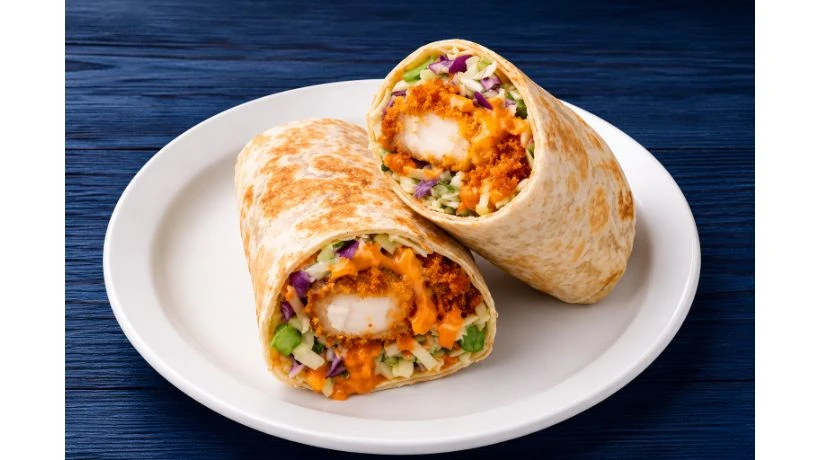
Assembly order, not just ingredient quality, is often what determines whether a wrap holds together or falls apart.
Key Takeaways
-
Assembly order, not just ingredient quality, is often what determines whether a wrap holds together or falls apart.
-
Sauce placement matters as much as sauce flavor, since direct contact with bread for too long leads to sogginess.
-
Grilled fish generally holds texture better in a wrap than fried fish does over time, especially for takeout orders.
-
Fresh vegetables add crunch and moisture balance, cutting through richer sauces or heavily seasoned fish.
-
Overcooked fish is one of the most common reasons a wrap tastes dry despite good ingredients.
-
Packaging choices for takeout can affect texture as much as how the wrap was originally prepared.
A handheld meal built around fish sounds simple until the bread turns soggy halfway through, the fish comes out overcooked, or the sauce overwhelms everything else on the first bite. A well-made Fish Wrap depends on a surprising number of small decisions working together, from how the fish is cooked to the order ingredients are layered inside. Looking closely at what goes into a good version helps explain why the same basic concept, fish wrapped in bread with sauce and vegetables, can turn out so differently depending on where and how it is made.
What Makes the Difference Between a Good and Disappointing Wrap
Texture holds the most weight in how a wrap is judged. A dry, overcooked piece of fish cannot be rescued by sauce, and a wrap that has gone soggy from sitting too long loses its appeal regardless of how good the ingredients were originally. Both issues usually trace back to timing rather than ingredient quality alone.
Balance matters just as much. A wrap heavy on sauce and light on vegetables tends to feel one-dimensional, while a version with fresh, crisp vegetables offers contrast that keeps richer fish or sauce from becoming overwhelming by the last bite.
Bread as a Structural Choice
The bread used needs to hold its shape without becoming a barrier to flavor. A wrap that is too thick can overpower the fish inside, while one that is too thin can tear or fail to contain the filling properly during eating.
Choosing and Cooking the Fish
Firm, flaky white fish is commonly used because it holds together well when flaked into a wrap, unlike softer varieties that can turn mushy once combined with sauce. Cooking method affects the final result significantly, since grilled fish tends to retain a firmer texture over time compared to fried fish, which can lose its crispness relatively quickly once wrapped and held for takeout or delivery.
Overcooking is one of the most common issues affecting quality, since fish continues cooking slightly even after being removed from heat. A few extra minutes on the grill or in the fryer can be the difference between tender, flaky fish and a dry, tough filling.
Grilled Versus Fried for Wraps
Grilled fish generally suits wraps meant for takeout better, since it holds texture without the risk of the coating turning soft. Fried fish offers a satisfying crunch when eaten immediately but requires quicker consumption to avoid losing that texture.
Sauce and Vegetable Balance
Sauce should complement the fish without dominating it, and placement inside the wrap plays a larger role than most people expect. Sauce spread directly against the bread for an extended period softens it faster than sauce layered closer to the fish itself, which is one reason assembly order affects how long a wrap holds up before serving.
Fresh vegetables, such as lettuce, tomato or pickled options, add both crunch and acidity, cutting through richer sauces and preventing the wrap from feeling heavy. This balance becomes especially important with fried preparations, where a lighter, fresher element helps offset the richness of the coating.
Expert Insights
Kitchens experienced with handheld seafood dishes tend to treat assembly order as a deliberate step rather than an afterthought. Placing sauce and vegetables in a specific sequence, often building a light barrier between wet ingredients and the bread, helps extend how long a wrap holds its texture before it needs to be eaten.
Cooking timing also receives close attention, since fish behaves differently than other proteins commonly used in wraps. Because it cooks faster and dries out more easily, experienced cooks often time fish preparation separately from other components to avoid it sitting and continuing to cook while the rest of the wrap comes together.
Industry Best Practices
Kitchens that consistently produce quality wraps tend to follow a few shared habits. Fish is typically cooked close to assembly time rather than held for extended periods, which helps preserve texture. Sauce is portioned carefully rather than added generously, since too much can overwhelm both flavor and structure. Vegetables are kept fresh and prepared close to service, and wraps intended for takeout are often packaged in a way that limits trapped steam, since condensation can soften bread quickly during transport.
Common Mistakes
A common mistake is overcooking the fish in an attempt to ensure it is fully done, which often results in a dry, less enjoyable texture. Another is over-saucing the wrap, which can make it difficult to hold together and can overwhelm the flavor of the fish itself. For takeout orders specifically, packaging that traps heat and moisture can quickly turn a well-made wrap soggy, even if it was assembled correctly at the time of preparation.
Buying Considerations
When ordering, a few details are worth confirming. Ask whether the fish is grilled or fried, since this affects both flavor and how well the wrap holds up over time, particularly for delivery. Confirm sauce options if a milder or lighter flavor is preferred, since some sauces are significantly richer than others. For dietary needs, it helps to ask about specific ingredients in the sauce or bread. If ordering for takeout, asking how the wrap is packaged can offer a sense of whether texture is likely to hold up by the time it arrives.
Read More
Diners interested in other handheld seafood options may also find our article on choosing between seafood bowls and platters useful.
Final Thoughts
A satisfying wrap comes down to a handful of consistent details, from how the fish is cooked to how the ingredients are layered together. Best Seafood Restaurant Mississauga applies these same considerations across its menu, balancing preparation style, sauce and fresh ingredients to keep texture and flavor consistent from kitchen to table. Paying attention to these small decisions makes it easier to understand what actually separates a well-made wrap from one that falls short.
FAQs
What type of fish works best in a wrap?
Firm, flaky white fish generally holds together well and avoids becoming mushy once combined with sauce.
Does grilled or fried fish hold up better for takeout?
Grilled fish typically retains its texture better over time, making it a more reliable choice for takeout or delivery.
Why does a wrap sometimes turn soggy before it is eaten?
Extended contact between sauce and bread, along with trapped moisture in packaging, are the most common causes.
How can sauce be balanced without overwhelming the wrap?
Portioning sauce carefully and placing it away from direct, prolonged contact with the bread helps maintain both flavor and structure.
Where can a fish wrap be ordered in the Mississauga area?
Best Seafood Restaurant Mississauga offers fish wraps prepared with fresh ingredients for dine-in, takeout and delivery in the area.

Comments
Login to Comment