Finding a Bezel Diamond Engagement Ring That Fits Your Style
01 Oct, 2026
93 Views 0 Like(s)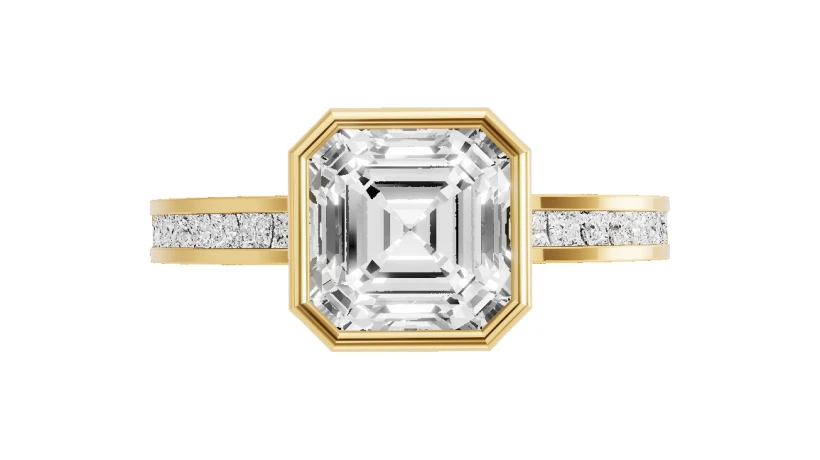
Explore bezel engagement rings in different shapes, metals, and designs to find a secure and personal ring style that suits your everyday look.
Choosing an engagement ring is a personal decision. The setting, diamond shape, metal, and overall design all influence how the ring looks and feels on your hand. If you prefer a ring with a clean profile and a secure setting, bezel engagement rings are worth considering. A bezel setting surrounds the diamond with a thin rim of metal, creating a neat outline around the stone while helping hold it securely in place.
With different diamond shapes, band styles, and metal choices available, finding the right bezel ring does not have to mean choosing between appearance and practicality. The key is to understand the details that make one design different from another and decide which features fit your daily style.
What Is a Bezel Engagement Ring?
A bezel setting holds the diamond in place with a metal rim that surrounds part or all of the stone. Unlike prong settings, which use small metal claws to secure the diamond, a bezel creates a continuous border around the stone.
This setting can give an engagement ring a smooth appearance because there are fewer raised metal elements around the diamond. It can also be a practical choice for people who use their hands frequently or prefer a ring with fewer exposed edges.
The width and shape of the bezel can vary. Some designs use a very fine metal border, while others feature a more noticeable frame around the center stone. These small differences can change the overall character of the ring.
Consider the Diamond Shape First
The diamond shape is one of the first things to consider when choosing your ring. A bezel setting can work with several popular diamond cuts, including round, oval, emerald, pear, and marquise shapes.
A round diamond offers a balanced appearance and works well with many band styles. Oval diamonds can create a longer visual line across the finger, while emerald-cut diamonds have a more structured appearance.
Pear and marquise shapes can bring a more distinctive outline to a bezel ring. If you are looking for something less conventional, exploring different diamond shapes can help you find a design that feels more personal.
When comparing bezel set engagement rings, look closely at how the metal follows the outline of the diamond. A well-matched bezel should complement the stone's shape rather than overpower it.
Think About Your Everyday Routine
An engagement ring is usually worn frequently, so comfort and practicality should be part of the decision.
A bezel setting can be useful for people who want a smooth ring profile. Because the metal surrounds the diamond, there are fewer individual prongs that can catch on clothing or other materials.
If you work with your hands, exercise regularly, or simply prefer jewelry that feels easy to wear, consider how the ring sits against your finger. A lower-profile design may feel more convenient for everyday use.
However, comfort depends on the entire ring rather than the setting alone. The band width, ring size, gallery height, and overall construction can all affect how the ring feels.
Choosing the Right Metal
The metal can change the appearance of both the setting and the diamond.
White gold gives the ring a bright, neutral appearance and can create a seamless frame around a colorless or near-colorless diamond. Yellow gold creates stronger contrast between the diamond and the setting, making the outline of the bezel more noticeable.
Rose gold offers another option for someone who prefers a warmer metal tone. Two-tone designs can combine different metals to create contrast within a single ring.
When selecting the metal, consider the jewelry you already wear. If you usually wear yellow gold necklaces, bracelets, or watches, a yellow-gold engagement ring may coordinate naturally with your existing pieces.
Look at the Band Design
The center diamond is important, but the band can have just as much influence on the final appearance.
A plain band keeps attention around the center stone and works well for someone who prefers a straightforward design. A pavé band can add smaller diamonds along the surface, while a wider band can give the ring a stronger presence.
You can also consider a curved or contoured band if you plan to wear the engagement ring with a wedding band. The shape of the two rings should be considered together if you already know what type of wedding band you want.
For a balanced look, think about the proportions between the center diamond and the band. A very delicate band may create a different visual effect from a wide or substantial band.
Consider a Bezel Diamond Engagement Ring for Added Protection
One practical feature of a bezel diamond engagement ring is the metal border around the stone. The rim can help protect the outer edges of the diamond from direct contact with everyday objects.
This can be particularly relevant for diamond shapes with pointed or exposed corners. A properly designed bezel can provide coverage around those areas while maintaining the shape of the stone.
Protection is not the same as making a ring impossible to damage, so normal care is still important. Regular cleaning and professional inspections can help keep the setting in good condition over time.
Explore Unique Bezel Engagement Rings
If you want something different from a traditional engagement ring design, explore unique bezel engagement rings featuring unusual diamond shapes, mixed metals, asymmetrical details, or distinctive bands.
Some designs keep the bezel very thin so that the diamond remains the main focus. Others make the metal frame a visible part of the design.
You can also look for rings that combine a bezel center stone with smaller diamonds along the band. This creates contrast between the clean center setting and additional detailing around the ring.
The goal is not simply to find an unusual design. Instead, look for details that match your personal preferences and that you will still enjoy wearing regularly.
Is a Bezel Solitaire Right for You?
A solitaire design places the main focus on one center diamond without additional stones surrounding it. When combined with a bezel setting, the result can have a clean and focused appearance.
A bezel solitaire engagement ring may suit someone who wants the center diamond to remain the main feature. It can also be a practical option for people who prefer fewer decorative elements.
The shape of the center stone can make a noticeable difference. A round bezel solitaire may have a balanced look, while an oval or emerald-cut version can create a longer or more structured appearance.
Before choosing a solitaire, consider whether you want a simple center-focused design or additional diamonds on the band.
Lab-Grown Diamonds and Bezel Settings
Lab-grown diamonds are another option to consider when selecting an engagement ring. They have the same crystal structure and chemical composition as diamonds formed naturally underground, while their origin is different.
A lab grown bezel engagement ring combines a lab-grown diamond with the protective structure of a bezel setting. These rings are available in various diamond shapes, sizes, and metal choices.
If you are considering a lab-grown diamond, review the stone's grading information and compare its cut, color, clarity, and carat weight. Looking at these characteristics together can help you understand why two diamonds of the same carat weight may have different appearances.
Pay Attention to Proportion
Proportion is often overlooked when shopping for an engagement ring. The size of the diamond should work with the width and shape of the bezel and band.
A large center diamond paired with a very thin band can create a delicate appearance, while a wider band can give the same center stone a stronger visual presence.
Finger length and hand shape may also influence which proportions you prefer. Rather than following a fixed rule, try different ring styles and compare how they look from different angles.
Photos can be helpful when narrowing down choices, but seeing the actual proportions on your hand can provide a better idea of how the design will feel in everyday life.
Check the Ring From Every Angle
Do not judge an engagement ring only from the top. Look at the side profile, gallery, band, and underside of the setting.
The side profile can tell you how high the diamond sits above your finger. A lower setting may feel more practical, while a higher setting can provide additional visual separation between the center stone and band.
Also check the inside of the ring for smooth finishing. Since you will likely wear the ring for long periods, small construction details can make a difference in comfort.
Where to Start Your Search
Once you know your preferred diamond shape, metal, band style, and setting profile, your search becomes much easier.
Start by comparing several designs rather than choosing the first ring that catches your attention. Look at how different bezel widths affect the center stone, compare metal colors, and consider whether you want a plain or detailed band.
You can also explore bezel engagement rings from different collections to see how designers approach the setting. Antiquecut offers bezel ring designs that can be considered alongside different diamond shapes and metal options.
Final Thoughts
Finding the right engagement ring is less about following a particular trend and more about choosing details that suit your preferences and daily routine. A bezel setting offers a distinctive way to frame a diamond while providing a smooth structure around the stone.
Consider the diamond shape, metal, band design, setting height, and overall proportions before making your decision. If you prefer a clean solitaire, a detailed band, or a lab-grown diamond, there are many ways to personalize a bezel ring.
Take your time comparing designs and focus on the features that matter most to you. The right combination of stone, setting, and band can create an engagement ring that feels natural to wear and genuinely reflects your individual style.



Comments
Login to Comment