Everything You Need to Know About a Personal Licences Course
17 Sep, 2026
7 Views 0 Like(s)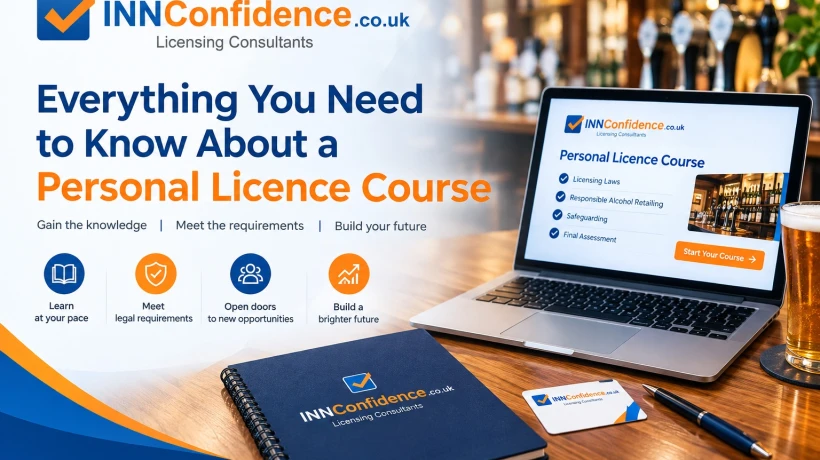
Learn how a recognised personal licences course can help you take the first legal step toward obtaining a personal alcohol licence in the UK. Discover the course requirements, qualification process, and what to expect. Files, images, and data analysis are unavailable until usage resets at 9:46 PM. Continue chatting with text only, or upgrade for more access. Try Plus free
Anyone looking to sell or supervise the sale of alcohol in the UK will eventually come across the same requirement: completing a recognised personal licences course. This qualification is the first legal step toward holding a personal licence, and understanding how the course works can make the whole process far less confusing.
What a Personal Licences Course Actually Involves
A personal licences course is designed to teach the legal responsibilities that come with selling alcohol. Rather than being a vague introduction, it covers specific, practical knowledge that licence holders are expected to know once they're working in a licensed premises. This includes the four licensing objectives, key parts of the Licensing Act 2003, age verification rules, when and how to refuse a sale, and the day to day duties of a licence holder.
The course is most commonly delivered as the BIIAB Level 2 Award for Personal Licence Holders, often shortened to APLH. It's an Ofqual regulated qualification, meaning it holds the same national recognition regardless of which training provider delivers it, and it's accepted by local authorities throughout England and Wales when processing personal licence applications.
Who Actually Needs This Qualification
While many people assume this course is only for pub landlords, the reality is broader. Designated premises supervisors, bar managers, retail alcohol licensees, and general staff involved in supplying alcohol are all expected to hold or work toward this qualification. Applicants must be 18 or older, and there's no formal entry requirement beyond that, making it accessible to almost anyone entering the hospitality or retail trade.
Studying Online Instead of In a Classroom
Historically, personal licences courses were taught through half day or full day classroom sessions. That model has largely been replaced by online learning, which suits the pace of modern working life far better. Instead of blocking out a full day for training, learners can go through video presentations, downloadable workbooks, and mock exams whenever it fits their schedule, whether that's during a lunch break, in the evening, or across a couple of quiet afternoons.
This shift hasn't lowered the standard of the qualification. It's simply removed the logistical barriers, allowing people to study properly without needing to take unpaid time off or travel to a training centre.
Taking the Exam
Once the course content has been completed, candidates sit a 40 question multiple choice exam within a 60 minute time limit. A pass mark of 70%, or 28 correct answers, is required. Exams are typically invigilated live online through video call, meaning there's real supervision and support rather than an unmonitored test, and results are usually available immediately after finishing.
For anyone worried about exam pressure, many providers include unlimited free resits, so a first attempt that doesn't go to plan isn't the end of the process. Candidates can simply rebook and try again without additional cost.
After Passing the Course
Once you've passed, a digital certificate is generally issued within a day or two. This certificate is the document your local council will ask for when you submit your personal licence application, so keeping a copy accessible is important. Some training providers can also post a physical copy if your council specifically requests one.
Choosing the Right Course Provider
Not all personal licences courses are delivered the same way. When comparing providers, it's worth checking whether the course is genuinely BIIAB accredited, whether the exam is properly invigilated, how quickly certificates are issued, and whether resits are included at no extra charge. Completing a personal license mock exam can also help you become familiar with the assessment format and identify areas that may need further revision. These details often make the difference between a smooth application and unnecessary delays with your local authority.
Frequently Asked Questions
Do I need any qualifications before starting a personal licences course?
No prior qualifications are required. You simply need to be 18 or older to enrol and sit the exam.
Can I complete the entire course and exam online?
Yes. Most personal licences courses today are fully online, including the study materials, mock tests, and the final invigilated exam.
What if I don't pass the exam the first time?
Many providers allow unlimited resits at no extra cost, so you can rebook and retake the exam until you pass.


Comments
Login to Comment