In today’s busy lifestyle, liver problems are becoming more common due to unhealthy eating habits, stress, lack of exercise, alcohol consumption, and medical conditions like diabetes and obesity. This is why expert medical guidance plays a key role in protecting liver health. Seeking care from a hepatologist dubai can help people understand their liver better and take the right steps to keep it healthy.
This article explains everyday liver care in very simple terms. It also highlights how professional support from hepatologists in Dubai can make a real difference in preventing and managing liver-related conditions.
Understanding the Role of the Liver
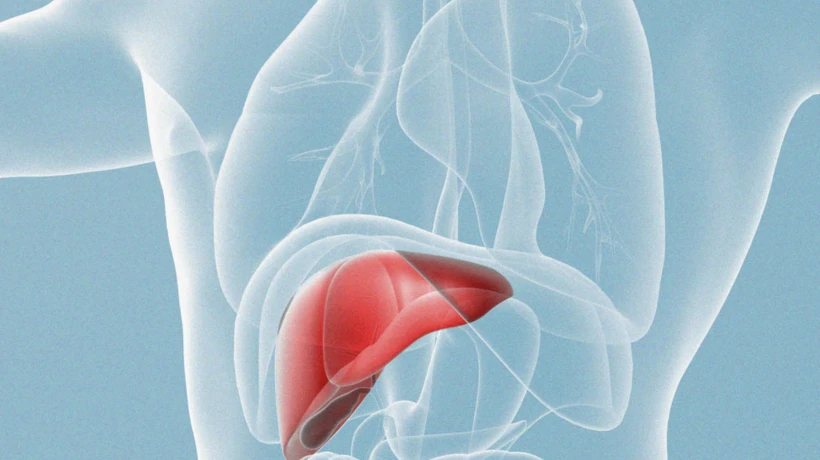
The liver is a large organ located on the right side of the abdomen. It performs hundreds of functions that are vital for survival. Some of the main roles of the liver include:
-
Cleaning harmful substances from the blood
-
Helping digest fats through bile production
-
Storing vitamins and minerals
-
Regulating blood sugar levels
-
Supporting the immune system
When the liver is healthy, it works efficiently without causing any noticeable symptoms. But when it becomes damaged or overloaded, it can affect the entire body.
Why Liver Health Is Often Ignored
Many liver diseases develop slowly. In the early stages, there may be no pain or clear signs. This leads people to ignore small warning signals such as tiredness, poor appetite, or mild discomfort.
Common reasons liver health is ignored include:
-
Lack of awareness about liver function
-
Belief that liver disease only affects heavy drinkers
-
Busy schedules that delay health checkups
-
Fear of medical tests
Regular care and early advice from specialists can help avoid serious liver problems in the future.
Common Liver Problems People Face
Liver conditions can affect people of all ages. Some of the most common liver-related issues include:
Fatty Liver Disease
This happens when fat builds up in liver cells. It is often linked to obesity, diabetes, and poor diet. Many people with fatty liver do not feel sick at first.
Hepatitis
Hepatitis means inflammation of the liver. It can be caused by viruses, alcohol, or certain medications. Some forms are short-term, while others can become long-lasting.
Liver Cirrhosis
Cirrhosis is a serious condition where healthy liver tissue is replaced with scar tissue. This affects how the liver works and can lead to complications.
Liver Infections and Toxins
Infections, unsafe medications, and exposure to harmful substances can damage the liver over time.
Early diagnosis and guidance from liver specialists are key to managing these conditions safely.
Everyday Habits That Support Liver Health
Good liver care starts with simple daily habits. Small lifestyle changes can make a big difference.
Eat a Balanced Diet
A healthy diet helps reduce stress on the liver. Include:
Avoid excess fried foods, sugary snacks, and processed meals.
Stay Hydrated
Drinking enough water helps the liver flush out toxins and supports digestion.
Limit Alcohol Intake
Alcohol is one of the biggest causes of liver damage. Reducing or avoiding alcohol can protect the liver from long-term harm.
Exercise Regularly
Physical activity helps control weight and improves blood flow to the liver. Even simple daily walks are beneficial.
Avoid Unnecessary Medications
Some medicines and supplements can harm the liver if taken without guidance. Always follow medical advice.
Warning Signs You Should Not Ignore
Liver problems often show subtle signs at first. It is important to seek medical advice if you notice:
-
Constant fatigue
-
Yellowing of the eyes or skin
-
Swelling in the abdomen or legs
-
Dark urine or pale stools
-
Frequent nausea
Ignoring these symptoms can allow the condition to worsen.
The Importance of Regular Liver Checkups
Regular checkups help detect liver problems early. Blood tests, imaging scans, and physical exams can show how well the liver is working.
People who should consider regular liver screening include:
-
Those with diabetes or obesity
-
Individuals who drink alcohol frequently
-
People with a family history of liver disease
-
Anyone taking long-term medications
Professional monitoring helps prevent small issues from becoming serious.
How Hepatologists Help in Liver Care
Hepatologists are doctors who specialize in liver health. They are trained to diagnose, treat, and manage liver conditions using advanced medical knowledge.
A hepatologist focuses on:
-
Identifying the root cause of liver issues
-
Creating personalized treatment plans
-
Monitoring disease progression
-
Offering lifestyle and diet guidance
Consulting a specialist ensures that liver care is safe, effective, and tailored to individual needs.
Advanced Liver Care Facilities in Dubai
Dubai is known for its modern healthcare system and access to skilled specialists. Medical facilities here use advanced diagnostic tools and follow international standards of care.
Patients benefit from:
-
Modern testing methods
-
Multidisciplinary healthcare teams
-
Patient-focused treatment approaches
-
Clear communication and follow-up care
These features help improve outcomes for people with liver conditions.
Preventive Liver Care for Long-Term Health
Prevention is always better than treatment. Liver care should be part of everyday health routines, not just when problems appear.
Preventive steps include:
-
Annual health checkups
-
Maintaining a healthy weight
-
Managing blood sugar and cholesterol
-
Getting vaccinated for certain liver infections
Guidance from experienced professionals helps individuals stay proactive about liver health.
Emotional and Lifestyle Support for Patients
Liver conditions can affect more than just physical health. They can also cause emotional stress and lifestyle changes.
Support includes:
-
Clear explanations about the condition
-
Guidance on diet and daily habits
-
Encouragement to stay positive and consistent
-
Family education for better care at home
A supportive approach improves both recovery and quality of life.
Living Well With a Liver Condition
Many people live healthy lives even after being diagnosed with a liver issue. With the right care, monitoring, and lifestyle changes, it is possible to manage symptoms and prevent complications.
Key points for living well include:
-
Following medical advice carefully
-
Attending regular follow-up visits
-
Staying informed about your condition
-
Making realistic lifestyle adjustments
Consistent care makes a big difference over time.
When to See a Liver Specialist
You should consider seeing a liver specialist if:
-
Blood tests show abnormal liver results
-
Symptoms persist despite lifestyle changes
-
There is a known liver condition that needs monitoring
-
You want expert advice on prevention
Early consultation often leads to better outcomes and peace of mind.
Conclusion
Everyday liver care is an important part of overall health. Simple habits like eating well, staying active, and avoiding harmful substances can protect the liver for years to come. Regular checkups and early attention to symptoms help prevent serious complications.
For those seeking expert guidance, consulting a specialist such as Dr. Neil Philip Galletly can provide trusted support and personalized care. With the right medical advice and daily commitment, maintaining a healthy liver becomes achievable and sustainable for the long term.



Comments
Login to Comment