Elegant Exteriors: The Beauty of Polished Scapes
06 Apr, 2026
2897 Views 0 Like(s)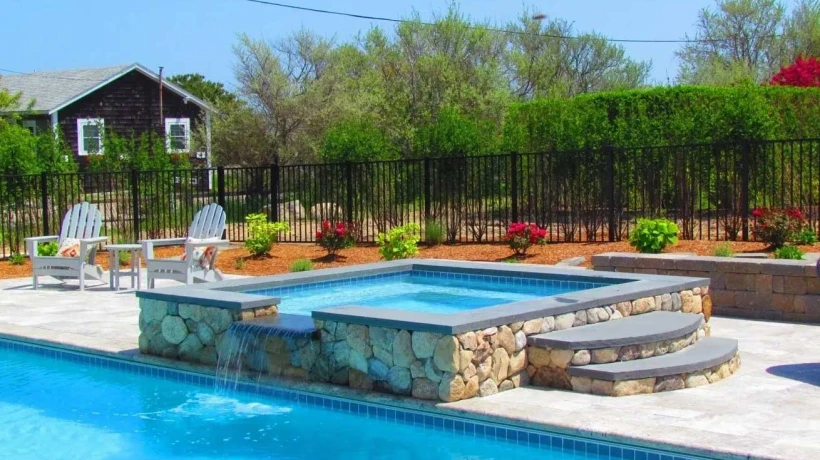
Elegant exteriors are more than decorative landscapes — they are carefully crafted environments where form, function, and feeling converge.
An elegant exterior, often called a polished scape, blends artful planning, thoughtful materials, and purposeful structure to transform ordinary outdoor spaces into serene, sophisticated environments.
Whether for a private residence, a public garden, or a commercial property, polished scapes invite admiration, offer functional beauty, and create a seamless connection between built environments and nature.
At its core, landscape design is both an art and a science — a discipline that combines aesthetic sensibility with practical planning to craft spaces that are visually appealing and livable. It involves the thoughtful arrangement of plants, hardscape (like patios and walkways), lighting, and water features, all working together in harmony.
What Makes a Landscape “Polished”?
A polished landscape is defined not just by its visual appeal but by its intentionality. Several key elements contribute to this elevated look:
1. Strong Design Principles
Elegant landscapes are built on foundational design principles such as balance, proportion, unity, and rhythm. These principles guide how elements are placed and interact:
Balance ensures that the visual weight of design elements feels stable, whether through symmetry or careful asymmetry.
Unity ties the space together, so every part feels like it belongs to a cohesive whole.
Rhythm and repetition, such as repeating plant types or hardscape materials, help guide the eye and create visual continuity throughout the space.
By thoughtfully applying these principles, designers avoid chaotic or disjointed layouts and instead create landscapes that feel calm, ordered, and refined.
2. Quality Materials and Textures
Materials are crucial in defining a Polished Scapes exterior. From natural stone to engineered pavers, the choice of surface materials sets the tone:
Natural stone and finely cut pavers bring timeless elegance and texture to walkways and patios.
High-quality wood or metal edging gives planting beds a crisp, finished look.
Water features and lighting elements add sensory richness and nighttime allure.
By integrating premium materials with thoughtful craftsmanship, a landscape achieves not just visual appeal but durability and tactile richness.
3. Strategic Use of Hardscape and Softscape
A polished scape balances hardscape (non-living elements like pathways, walls, patios) and softscape (living elements like plants and lawns). Hardscape provides structure and function, while softscape offers color, life, and seasonal change. Together, they form a complete environment:
Patios and seating areas create outdoor rooms that extend living spaces.
Walkways and stone paths guide movement and define circulation.
Retaining walls and terracing introduce elevation and architectural interest.
The key is integration — ensuring that hard and soft elements complement rather than compete with each other.
Designing with Purpose
Polished landscapes aren’t accidental; they are the result of purposeful planning. This begins with understanding how the space will be used. Will it be a quiet retreat? A space for entertaining? A play area for children? The answers to these questions inform the layout, selection of features, and plant palette.
Planning also considers environmental factors such as sunlight patterns, soil conditions, and water needs. A successful design adapts to these conditions, selecting plants and materials that thrive in the local climate and require appropriate levels of maintenance.
Creating Visual Flow
One of the hallmarks of an elegant exterior is a sense of flow — the way the eye moves through the landscape. This is achieved through:
Pathways that lead naturally from one area to another.
Plant groupings and layering that create depth and interest.
Focal points, such as a sculpture, water feature, or specimen tree, draw attention.
By guiding the viewer’s gaze, polished landscapes feel intentional and inviting rather than static or disconnected.
Color, Texture, and Seasonal Interest
Color and texture are powerful tools in landscape design. A sophisticated palette doesn’t mean bold colors everywhere; rather, it often means harmonious combinations that evoke mood and balance:
Monochromatic or analogous plant palettes can feel serene and cohesive.
Contrasting textures — such as soft grasses against sleek stone — create visual intrigue.
Seasonal plants ensure that the space evolves throughout the year, offering blooms in spring, lush foliage in summer, and structural interest in winter.
Designers also consider how hardscape textures — smooth concrete, rough stone, polished metal — interact with plant materials to create layers of sensory experience.
Lighting: Extending Elegance into the Night
Elegant landscapes don’t disappear at dusk. Thoughtful lighting extends the beauty of a polished scape into the evening, highlighting key features and creating ambiance. Subtle uplighting on trees, pathway lighting for safety, and accent lights for water features all contribute to a layered nighttime experience.
Lighting also enhances safety and usability, encouraging people to enjoy outdoor spaces after dark.
The Emotional Impact of Polished Scapes
Beyond aesthetics, polished landscapes influence how we feel in a space. Thoughtful design can evoke calm, encourage social interaction, and foster a connection with nature. Studies have shown that green spaces — particularly those that are thoughtfully designed — contribute to well-being by reducing stress and inviting relaxation.
Elegant exteriors also make a strong first impression. They enhance curb appeal and property value by signaling care, attention to detail, and architectural harmony between home and landscape.
Plastering Pools Company is a professional service provider specializing in swimming pool surface restoration, renovation, and finishing. The company focuses on delivering high-quality plastering solutions that improve both the durability and appearance of residential and commercial swimming pools.
Sustainability and Stewardship
Today’s polished scapes often embrace sustainability. Designers incorporate native plants that support local ecosystems, use permeable paving to reduce runoff, and choose drought-tolerant species where appropriate. These choices not only reduce maintenance but also reflect an ecological sensitivity that aligns beauty with environmental responsibility.
Conclusion
Elegant exteriors are more than decorative landscapes — they are carefully crafted environments where form, function, and feeling converge. By combining strong design principles, quality materials, planning, and sensory richness, polished scapes elevate outdoor spaces into living works of art.
Whether you’re dreaming of a tranquil garden retreat or a sophisticated outdoor entertaining area, the beauty of a polished landscape lies in its ability to create harmony between human experience and the natural world. Through thoughtful design and purposeful choices, outdoor spaces can become elegant extensions of the home — inviting, inspiring, and timeless.


Comments
Login to Comment