Electrical Testing and Certification for Residential Properties
17 Aug, 2026
592 Views 0 Like(s)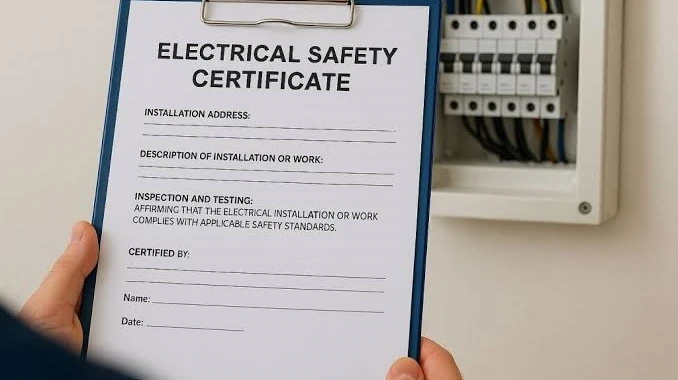
Electrical testing and certification for homes helps identify faults, improve safety, support compliance and maintain reliable residential electrical systems.
Safe electrical systems are essential in every home. Faulty wiring, damaged sockets, overloaded circuits, poor earthing, and ageing electrical equipment can create serious safety risks. Regular inspections help identify these problems before they lead to electrical faults, property damage, or injury.
Electrical testing and certification provides a structured way to check whether an electrical installation is safe, suitable for continued use, and compliant with relevant UK requirements. Testing can be important for homeowners, landlords, buyers, sellers, and anyone responsible for maintaining a residential property.
A proper inspection does more than confirm that lights and sockets work. It examines the condition of the installation, checks protective devices, identifies defects, and provides documented results. Depending on the type of inspection, the outcome may include an electrical installation certificate, an Electrical Installation Condition Report (EICR), or another appropriate form of certification.
What Is Electrical Testing and Certification?
Electrical testing and certification is the process of inspecting and testing an electrical installation and recording the results in the appropriate documentation.
The testing process may cover consumer units, wiring, switches, sockets, lighting circuits, protective devices, earthing arrangements, bonding, and other parts of the electrical installation. The exact scope depends on the type of work or inspection being carried out.
For example, a newly installed circuit requires different certification from an inspection of an existing property. Likewise, an older home may require a detailed condition report to identify defects that have developed over time.
The purpose is not simply to produce a certificate. The main goal is to establish whether the installation is safe and whether any defects require attention.
Why Residential Electrical Testing Matters
Electrical systems can deteriorate even when there are no obvious warning signs. Cables can become damaged, connections can loosen, accessories can wear out, and protective equipment can become unsuitable as a property changes.
A socket that appears to work normally does not prove that the circuit behind it is safe. Some faults remain hidden until an electrical inspection is performed.
Regular testing can help homeowners:
-
Identify damaged or deteriorating wiring
-
Detect problems with earthing and bonding
-
Find overloaded or unsuitable circuits
-
Check protective devices
-
Identify potentially dangerous defects
-
Support property sales and purchases
-
Maintain rental property safety
-
Keep useful records of electrical work
-
Plan remedial work before faults become more serious
Early identification can also make electrical maintenance easier to manage. A minor defect may be simpler and less costly to address than a major installation problem discovered after an electrical failure.
Electrical Testing and Certification for Homeowners
Homeowners may arrange electrical testing when buying a property, selling a property, renovating a home, or simply checking the condition of an older installation.
This is particularly useful when the age or history of the electrical installation is unclear. A previous owner may have carried out alterations, extensions, or additional circuits without leaving complete documentation.
An inspection can provide a clearer picture of the installation's current condition.
Testing is also useful after major changes to a property. For example, an extension, kitchen renovation, new lighting system, or additional electrical circuits may change the demands placed on the existing installation.
Electrical Testing and Certification for Landlords
Landlords have specific electrical safety responsibilities in England. Electrical installations in privately rented properties must be inspected and tested at least every five years by a qualified person under the applicable regulations.
Following the inspection, the landlord receives an EICR that records the condition of the electrical installation.
Where the report identifies dangerous or potentially dangerous defects, the required remedial action must be addressed within the relevant legal timeframe.
Landlords should keep electrical documentation organised because inspection reports provide an important record of the property's electrical condition.
What Is an EICR?
An Electrical Installation Condition Report, commonly known as an EICR, assesses the condition of an existing electrical installation.
Unlike certification for new electrical work, an EICR focuses on the condition and safety of an existing installation.
During the inspection, the electrician assesses the installation and carries out appropriate tests. The report records observations and identifies defects using classification codes.
Common EICR classifications include:
C1: Danger present. Immediate remedial action is required.
C2: Potentially dangerous condition. Urgent remedial action is required.
C3: Improvement recommended. The condition does not normally require immediate remedial work but improvement is advised.
FI: Further investigation is required without delay.
The classification helps the property owner understand which findings need attention.
Electrical Installation Certificates
An Electrical Installation Certificate (EIC) is generally issued following electrical installation work such as the installation of a new circuit or significant alteration.
The certificate provides information about the work completed and confirms that the installation work has been inspected and tested.
This documentation is different from an EICR. An EIC relates to electrical installation work, while an EICR assesses an existing installation.
Keeping the certificate with other property documents can be useful when future electrical work is required or when the property is sold.
What Does Residential Electrical Testing Include?
The exact testing procedure depends on the installation and the purpose of the inspection. However, a competent inspection may assess several important areas.
Visual Inspection
The process often starts with a visual inspection. The electrician looks for visible signs of damage, deterioration, incorrect installation, overheating, exposed conductors, unsuitable accessories, and other issues.
Visual inspection is important because not every defect can be identified through electrical measurements alone.
Wiring and Circuits
The condition and suitability of wiring and circuits are considered. Testing can help identify issues such as continuity problems, insulation deterioration, and other electrical faults.
Older installations may require particular attention because wiring standards, electrical loads, and safety expectations have changed over time.
Earthing and Bonding
Earthing and bonding are important parts of electrical safety.
Testing helps determine whether the protective arrangements are suitable and whether exposed conductive parts have appropriate protection against electrical shock.
Problems with earthing or bonding can increase the risk associated with electrical faults, so these findings should not be ignored.
Protective Devices
Protective devices such as circuit breakers and residual current devices are checked as part of the appropriate testing process.
An RCD can provide additional protection by disconnecting a circuit when it detects an imbalance in electrical current.
Testing can establish whether relevant protective devices operate as expected.
Consumer Unit
The consumer unit is another important part of a residential electrical installation. It distributes electrical power around the property and houses protective devices.
An inspection can assess its condition, connections, protective arrangements, labelling, and suitability for the installation.
Common Electrical Problems Found in Homes
Residential electrical inspections can identify many different types of defects.
Older properties may have outdated wiring or electrical accessories. Previous DIY work can also introduce unsafe connections or unsuitable modifications.
Other common issues include damaged sockets, loose connections, inadequate earthing, missing bonding, unsuitable protective devices, overloaded circuits, damaged cables, and poor-quality alterations.
It is important not to assume that an older installation is automatically unsafe. Equally, a relatively modern installation should not be assumed to be problem-free.
Testing provides evidence about the actual condition of the system.
When Should a Home Have Electrical Testing?
There is no single testing interval that applies to every residential property. The appropriate frequency depends on the type of property, installation, use, condition, and applicable legal requirements.
Homeowners may consider testing when:
-
Buying an older property
-
Selling a property
-
Completing major renovation work
-
Adding new circuits
-
Carrying out an extension
-
Experiencing repeated electrical faults
-
Finding damaged wiring or accessories
-
The electrical installation has not been inspected for many years
-
The history of previous electrical work is unknown
For rented properties, the applicable legal inspection requirements should be followed.
Electrical Testing Before Buying a Property
A home purchase is one of the biggest financial decisions many people make. An electrical inspection can provide useful information before completion.
A standard property survey does not necessarily provide the same level of electrical assessment as a dedicated electrical inspection.
Testing can reveal defects that may affect safety and may also highlight future maintenance requirements.
If significant electrical problems are identified, the buyer can discuss the findings with the seller and consider the likely cost of remedial work before proceeding.
Electrical Testing When Selling a Property
Sellers can also benefit from having electrical documentation available.
A clear record of electrical installation work and inspection reports can help demonstrate that the property has been maintained.
If an inspection identifies defects, dealing with them before marketing the property can also reduce the risk of electrical concerns appearing during the buyer's due diligence.
However, electrical certification should always reflect genuine testing and completed work. Documentation should never be treated as a substitute for proper inspection.
How Electrical Testing Supports Property Safety
Electrical testing supports a preventive approach to property maintenance.
Instead of waiting for a socket to fail, a circuit breaker to trip repeatedly, or a visible sign of damage to appear, testing can identify defects earlier.
This is particularly important because electrical faults are not always obvious to occupants.
A qualified electrician can use appropriate test equipment to assess parts of an installation that cannot be evaluated through a basic visual check.
UK Standards and Electrical Safety
Residential electrical work in the UK is commonly carried out with reference to BS 7671, the IET Wiring Regulations.
The regulations provide requirements for the design, installation, inspection, and testing of electrical installations.
Building Regulations can also apply to certain electrical work, particularly where electrical installations are part of building alterations or new construction.
The exact requirements depend on the nature and location of the work. Therefore, property owners should use competent electrical professionals who understand the requirements relevant to the installation.
What Happens After an Electrical Inspection?
The outcome depends on what the inspection discovers.
If the installation is satisfactory, the appropriate documentation is issued with the test results.
If defects are found, they are recorded in the report. The property owner can then arrange suitable remedial work.
Not every observation means that an installation is immediately dangerous. Classification helps separate urgent defects from conditions where improvement is recommended.
Once remedial work is completed, appropriate records should be retained. Where required, further inspection or testing may be necessary to confirm that the issue has been addressed.
Why Proper Certification Records Matter
Electrical certificates should be stored with other important property documents.
Good records can help future electricians understand previous work. They can also assist landlords, property managers, buyers, sellers, and other responsible parties.
Useful records may include electrical installation certificates, EICRs, records of remedial work, test results, and documentation relating to significant electrical alterations.
Keeping these records organised reduces uncertainty when future electrical work is required.
Choosing a Competent Electrical Professional
The quality of an electrical inspection depends on the competence of the person carrying it out.
Property owners should check that the electrician is appropriately qualified and competent for the type of work required.
For certain types of work, membership of an appropriate competent person scheme may also be relevant.
It is sensible to ask what type of inspection is being provided, what documentation will be issued, and whether any remedial work is included separately.
A professional should also explain significant findings in clear language rather than leaving the property owner to interpret technical information alone.
Electrical Testing and Certification: New Builds vs Existing Homes
New electrical installations and existing installations require different approaches.
A new installation is tested to verify that the work has been completed correctly and meets the applicable requirements.
An existing property is assessed based on its current condition. An older installation may have been compliant with the standards applicable when it was installed, while some aspects may not meet modern expectations.
This does not automatically mean that every older installation requires complete replacement.
The inspection should consider the condition and safety of the installation and identify defects that require action.
Preparing for Residential Electrical Testing
Property owners can make an inspection easier by providing access to the consumer unit, electrical accessories, and relevant areas of the property.
Existing certificates and previous reports should also be made available where possible.
If there are known problems, such as repeated circuit trips, burning smells, damaged sockets, flickering lights, or unexplained electrical faults, these should be mentioned before testing begins.
Electrical problems should never be concealed before an inspection. Clear information can help the electrician investigate potential causes more effectively.
How Almens Consult Can Help
Almens Consult can support property owners and businesses with professional electrical engineering and safety-related requirements. We understand the importance of accurate inspection, clear documentation, and practical recommendations when maintaining electrical installations.
Our approach focuses on identifying electrical issues, understanding the condition of an installation, and helping clients take appropriate action. We can assist with electrical engineering requirements and provide guidance on the testing and certification needs relevant to a property.
For residential property owners, landlords, developers, and other responsible parties, reliable documentation can make electrical maintenance easier to manage. We aim to provide clear information so clients can understand findings and plan the next steps with confidence.
Conclusion
Electrical testing and certification plays an important role in maintaining safe residential electrical installations. It can identify defects, confirm the condition of electrical systems, support property transactions, and help landlords meet their responsibilities.
An inspection is more than a paperwork exercise. Proper testing provides useful information about the installation and highlights areas that may require attention.
Whether a property is being bought, sold, rented, renovated, or simply maintained, appropriate electrical inspection and certification can provide valuable assurance. Working with a competent professional and keeping accurate records can also make future electrical maintenance more straightforward.
FAQs
Is electrical testing required for every home?
Not every homeowner is subject to the same statutory inspection requirements. However, regular inspection can be a useful safety measure, especially for older properties or installations that have undergone significant changes.
How often should a home be electrically inspected?
The recommended frequency depends on the installation, property type, use, and applicable requirements. Rented properties are subject to specific legal requirements, while owner-occupied homes may be inspected based on risk and condition.
Is an EICR the same as an electrical certificate?
No. An EICR assesses an existing electrical installation, while an Electrical Installation Certificate normally relates to electrical installation work that has been completed and tested.
Does an EICR mean that all electrical equipment in a home has been tested?
No. An EICR primarily concerns the fixed electrical installation. Portable appliances are generally dealt with through separate inspection and testing arrangements where appropriate.
What happens if an EICR identifies a C2 defect?
A C2 classification indicates a potentially dangerous condition that requires urgent remedial action. The appropriate repair should be arranged with a competent electrical professional.
Can electrical testing identify hidden problems?
Testing can identify certain defects that may not be visible during a basic inspection. However, the extent of testing depends on the purpose and scope of the inspection.
Should electrical certificates be kept after work is completed?
Yes. Property owners should retain relevant certificates and inspection reports as part of their property maintenance records.



Comments
Login to Comment