Does Replacing Internal Doors Really Improve Your Home?
09 Apr, 2026
2612 Views 0 Like(s)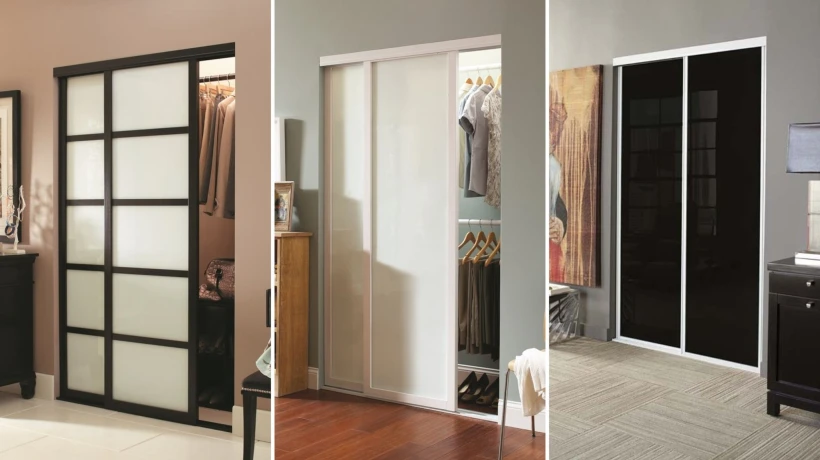
Is replacing internal doors worth the investment? Find out how factors like aesthetics, functionality, insulation, and property value make replacement worth it.
When homeowners plan a renovation, they usually focus on the “big ticket” items. Knock down walls, install a marble kitchen island, or gut a bathroom—these make it to the top of the list.
However, there’s a subtle architectural element that often goes unnoticed despite being touched a dozen times a day. We’re talking about internal doors.
If your home currently features the generic, hollow-core developer-special doors from decades ago, it’s time for a change. At the same time, you might be wondering if interior replacement doors are a good, strategic investment or just a cosmetic splurge. In reality, upgrading your interior doors is one of the most cost-effective ways to fundamentally change the vibe and performance of your living space.
Confused how this can be possible? Well, keep reading!
Is Replacing Interior Doors Worth It?
1. The Aesthetic Shift: From Dated to Designer
Doors act as the vertical connective tissue of your home’s design. If you have spent thousands on high-end flooring and premium paint, but still have warped, yellowed, or flat-panel doors, the entire aesthetic is compromised.
Replacing old doors allows you to create a cohesive design language. For example, switching to Shaker-style doors can instantly modernize a space, while solid wood panel doors lend a sense of timeless weight and history. It’s not just about the door itself but how it frames the view into the next room.
Beyond Looks: The Functional Power of a Solid Core
Most people view doors as mere privacy screens, but their structural makeup significantly impacts your quality of life. The majority of older homes use hollow-core doors, which are essentially 2 thin layers of veneer over a cardboard honeycomb. These are notorious for being loud and offer almost zero sound insulation.
-
Acoustic Privacy (Soundproofing)
If you work from home or have children, you know the struggle of sound travelling through the house like the walls aren’t even there. Replacement interior doors that are solid-core or solid wood are great for soundproofing or creating acoustic zones.
These doors can reduce sound transmission by up to 50%. So, if someone watches a movie in the living room, the other person can sleep or work in the next room without disruption.
-
Thermal Efficiency
We often talk about exterior doors when it comes to energy bills, but internal doors play a role, too. A heavy, well-fitted door acts as a thermal barrier.
By keeping the door closed to an unused guest room or basement, you can prevent your HVAC system from working overtime to heat or cool “dead space.” This potentially saves utility costs over time.
ROI: Does It Actually Add Value?
Perceived quality is everything in the world of real estate. When a potential buyer walks through a home and feels the weight of a solid door or sees high-quality hardware, their subconscious registers the home as well-maintained and premium.
According to real estate data, high-quality internal door replacements offer a Return on Investment of roughly 50% to 75%. While it might not pay for itself entirely in cash, it significantly increases the marketability of the home.
Homes with updated interior finishes tend to sell faster because they require less immediate work from the buyer. Sliding glass closet doors for bedrooms, in particular, have immense value in the real estate market.
Signs It’s Time to Stop Repairing and Start Replacing
Sometimes, the decision isn’t about style. Opting for interior door replacement services becomes a matter of structural necessity. Call on a door replacement company, like Interior Door & Closet Company in Huntington Beach, CA, if you notice:
-
Warping or sagging: If the door no longer sits square in the frame, it may be beyond a simple hinge adjustment.
-
Splitting or delamination: On cheaper doors, the veneer often begins to peel at the bottom or corners, which is nearly impossible to fix seamlessly.
-
Persistent noise: Squeaks that won’t go away or the clatter of a door that doesn’t fit its latch properly are signs of hardware and structural fatigue.
The Bottom Line
Replacing internal doors is the secret weapon of home renovation!
Internal doors bridge the gap between a house that looks okay and a home that feels curated. Whether you opt for the space-saving elegance of pocket doors or the classic look of French doors, the improvement in privacy, acoustics, and style is worth it. Putting shiny new doors is undeniably worth the investment!
FAQs:
-
Is it worth replacing internal doors?
Yes. While it seems like a small change, it considerably impacts acoustics, aesthetics, and durability.
-
How often should internal doors be replaced?
There’s no set timeline, but typically you should replace them every 20-40 years.
-
Hollow-core doors usually last 20-30 years. They should be replaced before they start cracking or peeling.
-
Solid-wood doors can last more than 50 years, but are often replaced sooner due to outdated styles or severe warping from humidity.
-
Does replacing interior doors add value?
Yes, it increases both the perceived quality and the actual market value of your home.

Comments
Login to Comment