Does Microneedling help restore smoother-looking skin
21 Sep, 2026
181 Views 0 Like(s)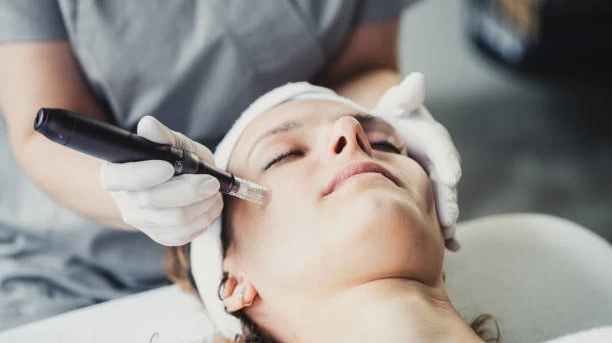
Microneedling encourages collagen production and skin renewal, helping improve uneven texture and reveal smoother, more refreshed-looking skin.
Smooth-looking skin is often associated with an even texture, balanced appearance, and healthy collagen structure. Over time, acne scars, fine lines, enlarged-looking pores, and natural changes in collagen can make the facial surface appear less refined. Microneedling is a professional skin-rejuvenation treatment designed to stimulate the skin’s natural renewal process and encourage collagen remodeling. For those considering Microneedling Abu Dhabi to improve facial texture, understanding how this treatment supports smoother-looking skin can help create realistic expectations about its potential results.
How Microneedling Supports Skin Renewal
Microneedling works by using a specialized device with very fine needles to create controlled microscopic channels in the skin. These channels activate the skin’s natural repair response, encouraging collagen production and structural remodeling.
Collagen is an important component of the skin because it provides strength and structural support. When collagen production and organization change, the skin may gradually lose some of its smoothness and firmness. Microneedling encourages the skin to produce new collagen, which can gradually improve its overall structure.
Because the treatment works through natural skin renewal, the improvement does not depend solely on changing the surface appearance. Instead, it encourages biological processes that can contribute to a more refined complexion over time.
Can Microneedling Make Skin Look Smoother?
Microneedling may help restore a smoother-looking appearance by improving uneven texture and supporting collagen remodeling. As new collagen develops, shallow irregularities can become less noticeable and the skin may appear more uniform.
This can be especially relevant for people dealing with mild acne scars, fine lines, uneven skin texture, or enlarged-looking pores. Rather than addressing only one isolated imperfection, microneedling stimulates the treated area as a whole.
The degree of improvement depends on the individual's skin condition and the specific texture concerns being addressed. Some irregularities may respond more noticeably than others, particularly when the structural changes are relatively shallow.
The Importance of Collagen for Smooth Skin
Collagen plays a major role in maintaining the skin's structural framework. It helps the skin remain dense, resilient, and even-looking. As natural collagen production changes with age, the skin may gradually develop more visible lines and texture irregularities.
Microneedling is intended to stimulate collagen production and remodeling. This process can strengthen the underlying support of the skin and contribute to a smoother surface.
The connection between collagen and skin texture explains why microneedling can have benefits beyond temporary surface refinement. As the skin undergoes progressive remodeling, its overall appearance can become more polished and even.
Microneedling for Fine Lines
Fine lines can interrupt an otherwise smooth complexion and become more visible as collagen levels change. Microneedling may help soften their appearance by stimulating collagen within the treated areas.
As the skin develops new structural support, fine lines may become less prominent. Improved collagen organization can also contribute to a more supple and refined-looking surface.
Microneedling is generally associated with improving the appearance of fine lines rather than completely eliminating deeper wrinkles. The results depend on the depth of the lines and the individual's response to collagen stimulation.
Improving Acne-Related Skin Texture
Previous acne can leave behind uneven texture even after active breakouts have disappeared. Depressed scars and shallow irregularities can make the facial surface look inconsistent, especially under direct lighting.
Microneedling can be relevant to certain types of depressed acne scars because it encourages collagen remodeling. As new collagen develops within the treated areas, shallow depressions may become softer in appearance.
The type and depth of acne scarring influence the potential response. Microneedling is generally more suited to certain shallow depressed scars than to every type of acne scar, making professional assessment important when determining whether it is an appropriate treatment.
Microneedling and Enlarged-Looking Pores
Pores are a natural feature of facial skin, but they may appear more prominent when surrounding skin lacks uniform texture or structural support. Changes in collagen and skin density can influence how noticeable pore openings appear.
By encouraging collagen remodeling, microneedling may improve the appearance of the skin surrounding visible pores. A more refined surface can make pores appear less prominent without physically removing them.
This can contribute to a smoother overall complexion, particularly when visible pores occur alongside uneven texture or mild acne-related changes.
When Does Smoother Skin Become Noticeable?
Microneedling results develop progressively because collagen formation and remodeling take time. The treatment initiates a natural renewal response, but the structural changes responsible for longer-term improvements occur gradually.
Some people may notice changes in the overall appearance of their skin as the renewal process progresses. More noticeable improvements in texture may become apparent later as collagen continues to develop and reorganize.
The timeline can differ according to age, skin condition, collagen response, treatment technique, and the particular concern being addressed. For this reason, the final appearance should be evaluated after sufficient time has allowed the skin's remodeling process to progress.
What Determines the Effectiveness of Microneedling?
The effectiveness of microneedling depends on several individual factors. The condition of the skin, depth of texture irregularities, age, skin type, and natural collagen response can all influence the outcome.
Treatment technique also plays an important role. Needle depth, treatment intensity, and session spacing can be adapted according to the individual's skin characteristics and desired results.
A personalized professional assessment can help determine whether microneedling is suitable for a particular concern. It can also help establish realistic expectations regarding how much smoother the skin may become.
Can One Treatment Restore Smooth-Looking Skin?
A single microneedling treatment can initiate the skin's renewal process, but visible collagen-related improvement generally develops gradually. The extent of change after one session depends on the condition of the skin and the specific texture concerns being treated.
For more established texture irregularities, a series of professionally planned treatments may be considered. Sessions can be spaced to allow the skin to progress through its natural remodeling cycle.
The goal is not necessarily to achieve an instant transformation. Instead, microneedling encourages progressive improvement as the skin produces and reorganizes collagen.
Microneedling for Overall Facial Rejuvenation
Microneedling can contribute to a more rejuvenated appearance by addressing several texture-related concerns simultaneously. Improvements in fine lines, shallow acne scars, visible pores, and uneven texture can collectively make the complexion appear smoother.
The treatment focuses on improving skin quality rather than changing facial structure. This makes its collagen-stimulating mechanism particularly relevant for people whose primary goal is a more refined and uniform-looking complexion.
As collagen remodeling progresses, the skin may appear denser, smoother, and more resilient, contributing to an overall refreshed appearance.
Setting Realistic Expectations
Microneedling can support smoother-looking skin, but it is important to understand that individual results vary. The treatment is designed to improve the appearance of the skin rather than guarantee complete removal of every texture irregularity.
Shallow concerns may respond differently from deeper scars or pronounced wrinkles. Natural differences in collagen production and skin characteristics also mean that two people receiving similar treatment may experience different levels of visible improvement.
Understanding microneedling as a gradual collagen-remodeling procedure can help create a more realistic perspective on its potential benefits.
Final Thoughts
Microneedling may help restore smoother-looking skin by stimulating collagen production, encouraging natural skin renewal, and improving the appearance of uneven texture. It can be particularly relevant for concerns such as fine lines, shallow acne scars, and enlarged-looking pores.
The results develop progressively as collagen forms and remodels within the treated skin. Individual outcomes depend on skin characteristics, the condition being addressed, treatment technique, and natural collagen response. When appropriately planned, microneedling can contribute to a smoother, more refined, and more even-looking facial complexion.
FAQs
Does microneedling make skin smoother?
Yes, microneedling may improve skin smoothness by encouraging collagen production and supporting natural skin renewal.
Can microneedling improve uneven texture?
Yes, it may help reduce the appearance of shallow texture irregularities through collagen remodeling.
Does microneedling help acne scars?
It may improve certain depressed acne scars by stimulating collagen formation within the affected areas.
Can microneedling improve fine lines?
Microneedling may soften the appearance of fine lines by improving collagen support and overall skin texture.
When do smoother-looking results appear?
Results generally develop gradually as the skin produces and remodels collagen following treatment.



Comments
Login to Comment