Does a Yellow Diamond Engagement Ring Hold Its Value?
11 Aug, 2026
664 Views 0 Like(s)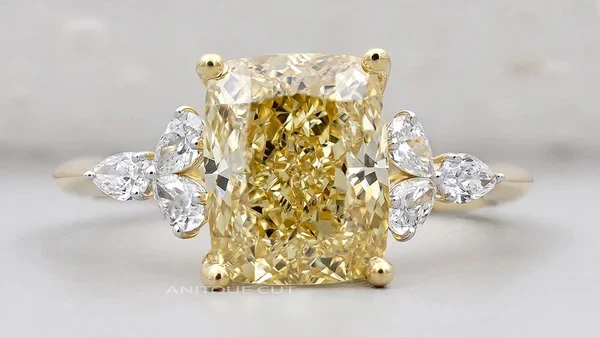
Learn what affects the value of a yellow diamond engagement ring, including color, carat, quality, origin, market demand, and resale factors.
Buying an engagement ring is an emotional decision, but it can also be a major purchase. So it is natural to wonder what happens to its value after you buy it. A Yellow Diamond Engagement Ring can be especially interesting because its price is influenced by more than just carat weight and clarity. The strength of its yellow color, diamond quality, rarity, certification, and current buyer demand can all make a difference.
But there is an important point to understand: a diamond ring should not be treated like a guaranteed investment. Retail prices, insurance values, and resale prices are often very different. If you are buying a yellow diamond because you love the color and want something personal, its potential value later can be a useful extra consideration rather than the main reason to buy.
What Determines the Value of a Yellow Diamond?
The value of a yellow diamond comes from several characteristics working together. Carat weight matters, but it is not the only factor. Color intensity can have a particularly strong effect because buyers often look for a noticeable and attractive yellow tone.
Natural yellow diamonds are generally assessed by their color strength, with grades ranging from lighter yellow appearances to stronger fancy color classifications. A more intense and desirable color can increase the price, especially when the diamond has good overall quality.
Cut also matters. A well-cut diamond can show its color more effectively and may look brighter and more attractive when viewed from different angles. Clarity is another factor, although its effect can vary depending on the diamond and its color grade.
Do Yellow Diamonds Keep Their Value?
A yellow diamond may retain part of its value, but that does not mean you will automatically receive the original purchase price if you sell it later.
One of the biggest reasons is the difference between retail and resale pricing. When you purchase a ring from a retailer, the price can include craftsmanship, design, labor, business costs, certification, and other expenses. A second-hand buyer does not necessarily pay for all of those elements.
This is why a ring purchased for $5,000 should not be expected to resell for $5,000 simply because the diamond itself remains in good condition.
Natural fancy yellow diamonds with desirable color, good quality, and strong documentation may have better resale interest than ordinary commercial diamonds. However, the actual amount someone is willing to pay depends on the market at the time you sell.
Why Color Can Matter So Much
With yellow diamonds, color is often one of the first things buyers notice. Two diamonds with the same carat weight can have very different prices because their colors may differ in strength and appearance.
A soft yellow diamond may appeal to someone looking for a gentle color, while another buyer may specifically want a stronger yellow stone. This difference in personal preference can influence demand.
For buyers who care about future value, it is worth paying close attention to the diamond's official grading information rather than choosing a stone based only on how yellow it looks under store lighting.
Natural vs. Lab-Grown Yellow Diamonds
The diamond's origin is another major consideration.
Natural yellow diamonds formed underground over extremely long periods and can command higher prices because of their natural origin and limited supply. Some natural fancy-color diamonds can also attract collectors and specialist buyers.
Lab-grown yellow diamonds have the same basic chemical composition and crystal structure as natural diamonds, but they are produced in a controlled environment. They are generally much less expensive to purchase.
This creates an important difference when thinking about resale. A lab-grown diamond can offer a larger-looking stone or stronger color within a set budget, but buyers should not assume that its future resale price will follow the same pattern as a natural fancy-color diamond.
Does the Ring Setting Affect Resale Value?
Yes, but usually not in the way people expect.
A beautiful setting can make the ring more appealing to a buyer, but the value of the complete ring is not simply the value of the diamond plus the original cost of the setting.
Gold or platinum has its own material value, while the craftsmanship and design may add some appeal in the second-hand market. However, highly personal designs may have a smaller pool of interested buyers.
If future resale matters to you, a well-made setting with a design that appeals to a wider range of buyers can be a sensible choice.
What Can Help a Yellow Diamond Hold Its Value?
There are several practical steps you can take before purchasing.
First, pay attention to certification. A reliable grading report can help establish the diamond's characteristics and give future buyers useful information.
Second, keep your purchase documents. Save the grading report, receipt, appraisal, and any other paperwork that comes with the ring.
Third, protect the ring from unnecessary damage. Scratches, loose stones, bent prongs, and other problems can affect its condition and may reduce its appeal when you eventually sell it.
Finally, choose quality over simply choosing the biggest stone you can afford. A smaller diamond with attractive color and strong overall characteristics may be more desirable than a larger stone with less appealing qualities.
Is a Yellow Diamond Engagement Ring a Good Investment?
It can be a meaningful purchase, but calling it an investment requires caution.
If your main goal is financial growth, an engagement ring is generally not the right product to buy solely for that purpose. There is no guaranteed resale price, and the jewelry market can change.
If your goal is to purchase a ring you genuinely love while also making a sensible buying decision, then value retention is worth considering. Look at the diamond's origin, color, certification, quality, price, and the reputation of the seller.
Explore Products for Yellow Diamond Engagement Ring options based on your budget and preferred color. At Antiquecut, comparing different diamond shapes, settings, and sizes can help you choose a ring that feels right without focusing only on future resale.
How Can You Check a Ring's Value Before Buying?
Start by comparing similar diamonds rather than looking at only one ring. Check diamonds with comparable carat weights, color grades, clarity, cuts, and origins.
You should also compare the cost of the complete ring with the value of the center diamond. This can help you understand how much you are paying for the setting and craftsmanship.
Ask whether the diamond comes with an independent grading report and check that the report matches the stone being sold. If the ring is unusually expensive, getting an independent appraisal can also give you another opinion.
Most importantly, avoid buying under pressure. A seller who pushes you to make a quick decision may make it harder to properly compare your options.
Final Thoughts
A yellow diamond engagement ring can hold meaningful value, but its future resale price depends on many factors. Natural origin, strong and desirable color, diamond quality, certification, condition, and market demand can all play a role.
The safest approach is to buy a ring you would still be happy to own even if you never sell it. Think about your budget first, compare diamond quality carefully, keep your documentation, and choose a design that feels right for you.
That way, the ring has value beyond a number on a resale listing—it becomes something connected to an important moment in your life.


Comments
Login to Comment