Design Patio Heaters: Combining Comfort and Style for Modern Outdoor Spaces
02 Sep, 2026
522 Views 0 Like(s)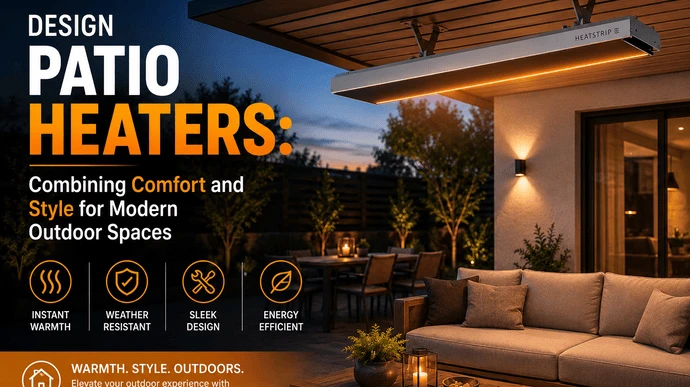
Transform your outdoor space with design patio heaters that combine reliable warmth with modern style. From sleek, contemporary designs to elegant statement pieces, the right patio heater can enhance comfort while complementing your outdoor décor. Discover how to choose a stylish patio heater that creates a warm, inviting atmosphere for relaxing and entertaining outdoors.
Outdoor spaces are becoming an increasingly important extension of residential and commercial properties in the Netherlands. Modern verandas, garden terraces, rooftop areas, restaurants, cafés and hotel terraces are no longer designed simply as places to sit outside during summer. They are being developed as year-round lifestyle and hospitality environments where comfort, functionality and visual appeal need to work together.
This creates an important challenge for architects, landscape designers, hospitality businesses and homeowners: how can you introduce effective outdoor heating without compromising the appearance of a carefully designed space?
Design patio heaters provide a solution. Unlike conventional heating equipment that may appear purely functional, modern electric patio heaters can complement contemporary architecture and outdoor furniture while delivering targeted warmth.
For Dutch outdoor spaces, where cooler temperatures and unpredictable weather can shorten the usable terrace season, combining heating performance with thoughtful design can provide both practical and commercial value.
What Is a Design Patio Heater?
A design patio heater is an outdoor heating appliance developed with particular attention to both performance and appearance. It provides warmth while incorporating shapes, finishes and mounting options that can complement modern outdoor environments.
A design patio heater can be integrated into a veranda, terrace, garden seating area or hospitality environment without becoming an unwanted visual distraction.
Modern electric models can be particularly suitable for projects where clean lines and contemporary aesthetics are important. Depending on the model, heaters may be wall-mounted, ceiling-mounted or freestanding, giving designers greater flexibility when planning the outdoor environment.
Why Does Design Matter in Outdoor Heating?
Outdoor heating is often installed after the main design has been completed. This can create problems.
A visually prominent heater may interrupt architectural lines, interfere with lighting or compete with furniture and landscaping. Cables can also affect the appearance of a premium outdoor environment when they have not been considered during the planning stage.
For architects and designers, the better approach is to treat heating as part of the overall design from the beginning.
Heating should support the visual concept
A luxury veranda may feature carefully selected materials, integrated lighting and premium outdoor furniture. Adding an unsuitable heating appliance can reduce the sense of cohesion.
A well-selected design heater can instead become part of the visual composition.
Function and aesthetics can work together
The objective is not to choose the most attractive heater regardless of performance. The ideal solution balances:
-
Heating capacity
-
Coverage
-
Installation position
-
Energy consumption
-
Safety
-
Controls
-
Materials and finish
-
Overall appearance
This approach is particularly valuable for high-end residential and commercial projects in the Netherlands.
How Design Patio Heaters Improve Modern Outdoor Spaces
Creating a more usable terrace
Cold evenings can prevent homeowners and customers from using outdoor spaces comfortably.
A strategically positioned heater can extend the practical use of a terrace into spring, autumn and cooler summer evenings. For restaurants and cafés, this can mean additional opportunities to use outdoor seating when temperatures would otherwise discourage customers.
For homeowners, it can turn a veranda or covered patio into a more comfortable area for dining, relaxing and entertaining.
Supporting architectural design
Contemporary Dutch architecture often emphasises simplicity, clean lines and integration between indoor and outdoor spaces.
A compact electric heater can support this concept when its placement and appearance are considered during the design process.
Architects and contractors can coordinate heating with lighting, electrical points, furniture and structural elements before installation begins.
Enhancing premium outdoor living
Luxury outdoor spaces require more than attractive furniture. Comfort is an essential part of the experience.
A carefully selected modern design terrace heater can provide warmth while maintaining the visual character of the garden, veranda or terrace.
Choosing the Right Design Patio Heater
Selecting a heater should start with the requirements of the space.
Consider the size and layout
The first consideration is the area that needs heating. A compact balcony or intimate seating area will have different requirements from a large restaurant terrace.
Look at the position of tables, chairs and walking routes. Heating should be directed toward occupied areas rather than spaces where people rarely spend time.
For larger terraces, several strategically positioned heaters may provide better coverage than one high-output appliance.
Consider mounting options
Mounting position can have a significant effect on both performance and aesthetics.
Wall-mounted heaters can work well against suitable building surfaces, while ceiling-mounted models may provide a cleaner appearance beneath a veranda or covered terrace.
Freestanding designs offer greater flexibility where permanent mounting is not desirable.
The available mounting height, clearances and surrounding materials should always be checked against the manufacturer's requirements.
Consider the finish and materials
Colour and finish can influence how naturally a heater fits into the overall outdoor design.
For minimalist projects, a simple finish may blend with architectural elements. In hospitality environments, the heater can be selected to complement branding, furniture and exterior materials.
This is especially relevant to restaurant owners and hotel operators who want every visible element to contribute to the customer experience.
Design Patio Heaters for Restaurants and Hospitality
Outdoor seating has become an important commercial asset for restaurants, cafés, hotels and outdoor bars.
However, an uncomfortable terrace can have the opposite effect. Customers may choose indoor seating or leave earlier when temperatures fall.
Improve customer comfort
Targeted outdoor heating can make terrace seating more comfortable during cooler periods. This can support a longer outdoor dining season without requiring the business to enclose the entire terrace.
Protect the customer experience
Hospitality design is highly visual. Customers notice furniture, lighting, landscaping and architectural details.
Large or poorly positioned heating equipment can negatively affect the appearance of the space. A stylish electric patio heater can provide heating while supporting a more coordinated design.
Create flexible heating zones
Larger hospitality spaces can benefit from zoning. Different heater groups can serve different seating areas, allowing operators to adapt heating according to occupancy.
This can help avoid operating every heater when only part of the terrace is being used.
What About Energy Efficiency?
Design should never replace heating performance. A visually attractive heater still needs to be correctly specified for the space.
Electric patio heating can be particularly practical when warmth needs to be directed toward specific occupied zones rather than attempting to heat an entire open-air environment.
Efficient operation also depends on user behaviour. Businesses can reduce unnecessary consumption by switching heating on when required and avoiding operation in empty areas.
For homeowners, timers, controls or other available operating features can make it easier to manage heating around actual usage patterns.
The best result comes from combining the appropriate heating capacity with sensible positioning and operating practices.
Installation Considerations for Dutch Outdoor Projects
Professional planning is particularly important when design heaters are integrated into permanent outdoor environments.
Electrical planning
Electrical installers should assess available power, circuit capacity and cable routing before installation. Multiple heaters operating simultaneously may create significant electrical demand.
Power outlets and connections should be positioned so they do not interfere with furniture, walkways or landscaping.
Safety and clearances
The manufacturer's installation instructions should always be followed. Appropriate clearances from combustible materials, furniture and surrounding structures are essential.
For outdoor installations, the heater's suitability for the intended environment should also be checked.
Integrate heating early
For new-build verandas, restaurant renovations and landscape projects, heating should ideally be considered during the design phase.
This allows installers to coordinate electrical connections, mounting points and cable routes before construction is completed.
Design Patio Heaters vs. Conventional Outdoor Heating
Traditional outdoor heating can focus primarily on functionality, while modern design heaters consider both performance and visual integration.
For a commercial project, the choice should be based on the brand image, customer experience and operational requirements. For residential projects, the decision may depend more heavily on architecture, garden design and personal preferences.
A designer electric patio heating solution can be particularly appropriate when the outdoor space is intended to look as considered as the interior.
The key is to avoid treating heating as an afterthought.
Frequently Asked Questions
Are design patio heaters suitable for Dutch gardens?
Yes. They can be used in suitable outdoor environments, including gardens, verandas and covered patios. The specific heater should be selected according to exposure, electrical requirements, mounting conditions and manufacturer specifications.
Can design patio heaters be used by restaurants and cafés?
Yes. They can provide targeted warmth for outdoor seating areas while supporting a more attractive terrace design. Commercial installations should be planned around customer flow, seating layouts and electrical capacity.
Are electric design patio heaters energy efficient?
They can be effective for targeted outdoor heating because energy is used to provide warmth where it is required. Actual consumption depends on heater power, operating time, weather and how the system is controlled.
Can a design patio heater be mounted on a wall or ceiling?
Depending on the model, wall or ceiling installation may be possible. Always verify mounting requirements, clearances and compatibility before installation.
Should an architect consider patio heating during the design stage?
Yes. Early planning allows heating, electrical connections, lighting, furniture and architectural elements to be coordinated. This can produce a cleaner and more functional final result.
Create a More Comfortable and Stylish Outdoor Space
Outdoor heating should enhance an outdoor environment rather than compete with it. For Dutch homes, restaurants, cafés, hotels and premium outdoor living projects, design patio heaters provide an opportunity to combine warmth with modern aesthetics.
The right solution depends on more than appearance. Consider the terrace layout, heating requirements, mounting options, electrical infrastructure, safety and expected usage before selecting a model.
If you are designing a new veranda, upgrading a restaurant terrace or creating a premium outdoor living environment, explore the available design patio heaters and select a solution that complements both the architecture and the way the space will be used.
With the right planning, outdoor heating can become an integrated part of the design—helping Dutch outdoor spaces remain comfortable, functional and visually appealing for longer throughout the year.


Comments
Login to Comment