Complete Guide on Medical Gas Pipeline Manufacturer in India & OT Classification
21 Oct, 2026
10 Views 0 Like(s)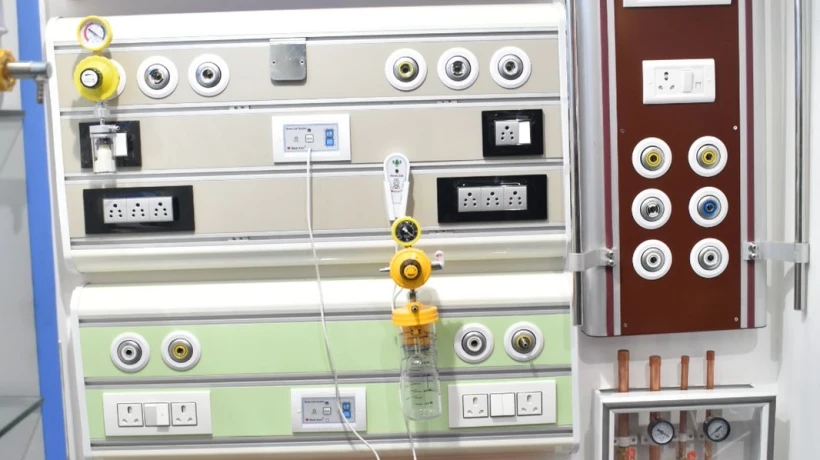
In this composition, we will explore about Medical Gas Pipeline Manufacturer in India & OT Classification
Modern hospitals depend on reliable medical infrastructure to support surgical procedures, patient monitoring, and emergency care. Medical gas systems and well-planned operating theatres are two essential components of this infrastructure. Choosing a trusted medical gas pipeline manufacturer in India and understanding the Classification of Operation Theater can help healthcare facilities plan safer, more efficient clinical environments.
Medical Gas Pipeline Manufacturer in India: Importance and Applications
A medical gas pipeline system distributes essential medical gases from centralized sources to designated outlets in hospitals. Depending on the facility's requirements, these gases may include medical oxygen, medical air, nitrous oxide, and other approved gases used for clinical applications. Vacuum systems are also commonly integrated into hospital medical gas infrastructure.
Unlike portable gas cylinders used independently, centralized pipeline systems provide gas through a planned network of pipes, valves, alarms, and terminal units. Proper design and installation are essential for maintaining the reliability and safety of gas delivery.
When selecting a medical gas pipeline manufacturer in India, hospitals should evaluate technical expertise, product quality, compliance with applicable standards, installation capabilities, testing procedures, and after-sales support.
Key Components of a Medical Gas Pipeline System
A medical gas pipeline system generally includes the following components:
-
Gas supply sources: Centralized manifolds, cylinders, or other approved supply arrangements provide the required medical gases.
-
Pipeline network: Specially designed piping transports gases from the supply source to clinical departments.
-
Zone valve boxes: These allow authorized personnel to isolate designated sections of the pipeline during maintenance or emergencies.
-
Medical gas outlets: Terminal units provide connection points for compatible medical equipment.
-
Alarm systems: Appropriate alarms help alert staff to abnormal operating conditions or supply problems.
-
Pressure regulators and monitoring equipment: These support the required pressure conditions and system monitoring.
Every component must be selected according to the intended application and relevant technical requirements.
Factors to Consider When Choosing a Manufacturer
Hospitals should consider several factors before appointing a medical gas pipeline manufacturer:
-
Standards and compliance: Verify conformity with applicable Indian regulations and relevant medical gas pipeline standards.
-
Design expertise: Ensure that the supplier can support project-specific planning and coordination.
-
Installation quality: Correct installation, identification, and testing are essential for safe operation.
-
Documentation: Request appropriate technical drawings, test records, and maintenance information.
-
After-sales service: Reliable technical support can help maintain system performance throughout its service life.
Medical gas pipeline systems should be designed, installed, tested, and commissioned by qualified professionals.
Classification of Operation Theater
The Classification of Operation Theater refers to the organization of surgical facilities according to their intended procedures, contamination-control requirements, and operational characteristics. Classification helps hospitals determine the appropriate room design, ventilation arrangements, equipment, and infection-prevention measures.
There is no single classification system that applies to every hospital. Operating theatres may be categorized by surgical specialty, procedure complexity, or environmental requirements. These classifications should be distinguished from the zoning of an operating theatre department.
1. General Surgery Operation Theatre
A general surgery operation theatre is designed for a range of routine surgical procedures. Depending on the hospital's services, it may accommodate abdominal surgery, hernia repair, and other general surgical interventions.
The room requires appropriate surgical lighting, an operating table, anesthesia equipment, monitoring systems, and suitable provisions for medical gases. The final equipment configuration depends on the procedures performed.
2. Orthopedic Operation Theatre
An orthopedic operation theatre supports procedures involving bones, joints, muscles, and related structures. Examples include fracture fixation and joint replacement surgery.
These theatres may require specialized operating tables, imaging equipment, instrument sets, and positioning accessories. Equipment selection should reflect the hospital's surgical specialties and technical requirements.
3. Cardiac Surgery Operation Theatre
A cardiac surgery operation theatre is intended for surgical procedures involving the heart and major blood vessels. These procedures require specialized infrastructure and close coordination between surgical, anesthesia, perfusion, and critical-care teams.
Depending on the services provided, the theatre may require advanced patient monitoring, specialized equipment, and carefully planned medical gas and power infrastructure.
4. Neurosurgery Operation Theatre
A neurosurgery operation theatre is designed for procedures involving the brain, spinal cord, and nervous system. Such procedures can require high-precision instruments, specialized microscopes, advanced imaging systems, and appropriate patient-positioning equipment.
The room layout must support the surgical team's workflow while accommodating the equipment needed for complex procedures.
5. Ophthalmic Operation Theatre
An ophthalmic operation theatre is used for surgical procedures involving the eyes. Examples include cataract surgery and other ophthalmic interventions.
These theatres commonly require specialized operating microscopes, precise surgical instruments, and equipment appropriate for delicate procedures. Cleanliness and careful environmental management remain essential.
Role of Medical Gas Pipelines in Operating Theatres
Medical gas infrastructure is a critical consideration when planning an operating theatre. Oxygen and other required medical gases must be supplied through appropriately designed systems, with compatible terminal units positioned to support clinical workflows.
An experienced medical gas pipeline manufacturer in India can help healthcare project teams plan suitable pipeline routes, outlet locations, zone isolation arrangements, and monitoring provisions. The system must be designed around the facility's clinical requirements and applicable standards.
Proper coordination between the medical gas supplier, hospital engineers, architects, and clinical teams helps reduce installation conflicts and supports effective maintenance.
Conclusion
Reliable medical gas infrastructure and well-planned surgical facilities are essential for modern hospitals. Selecting an experienced medical gas pipeline manufacturer in India supports the development of appropriate gas distribution systems, while understanding the Classification of Operation Theater helps healthcare organizations plan facilities for different surgical specialties.
By combining qualified technical expertise, suitable equipment, careful planning, and compliance with applicable standards, hospitals can create efficient operating environments that support clinical teams and patient care.



Comments
Login to Comment