Common Myths About Truffle Oil – Debunked!
12 Aug, 2026
662 Views 0 Like(s)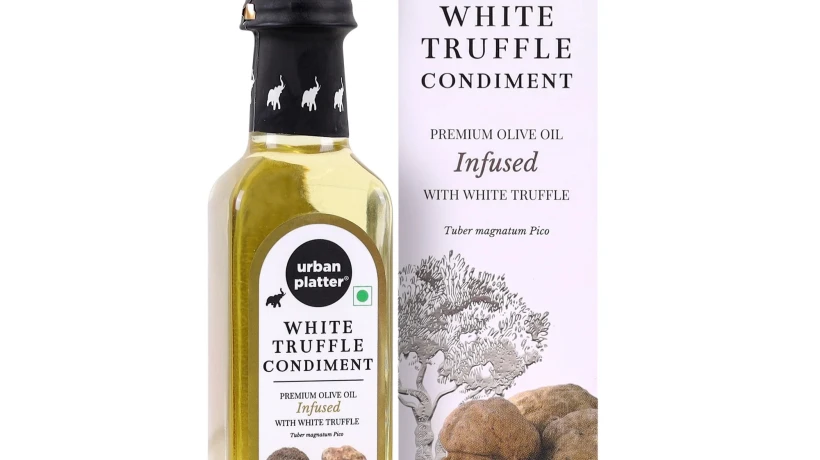
White truffle oil can be a convenient way to add a distinctive gourmet-style aroma to everyday dishes. However, it is important to understand that truffle oil and fresh truffles are different products, and not every truffle oil contains pieces of fresh truffle.
Truffle oil has become a popular ingredient in modern cooking, often associated with gourmet dishes, restaurant-style flavors, and luxurious dining experiences. Its distinctive aroma and rich taste can transform simple foods such as pasta, fries, eggs, risotto, and salads into more flavorful dishes. However, truffle oil is also surrounded by several myths and misconceptions.
From questions about authenticity to confusion about how it should be used, many people are unsure about what truffle oil actually contains and how it differs from fresh truffles. Understanding the facts can help home cooks make better choices and use products such as white truffle oil more effectively.
What Is Truffle Oil?
Truffle oil is an infused or flavored oil designed to provide the characteristic aroma and taste associated with truffles. Depending on the product, it may contain truffle-derived ingredients, natural flavoring, or other flavor components.
Truffle oils can be made using different base oils, including olive oil and other edible vegetable oils. The exact ingredients vary between products, which is why reading the label is important.
Myth 1: All Truffle Oil Contains Fresh Truffles
One of the most common misconceptions is that every bottle of truffle oil contains pieces of fresh truffle.
This isn't necessarily true.
Some products use truffle pieces or truffle-derived ingredients, while others rely on flavoring compounds to create a recognizable truffle aroma. The label and ingredient list can tell you more about what is actually inside the bottle.
Therefore, don't assume that every product contains fresh truffle simply because the word "truffle" appears on the packaging.
Myth 2: White Truffle Oil and Fresh White Truffles Are the Same
Another common misconception is that white truffle oil is equivalent to fresh white truffles.
Fresh truffles are highly prized culinary ingredients with complex aromas and flavors. Truffle oil, on the other hand, is an infused or flavored oil intended to provide a convenient way to introduce truffle-style flavor into food.
While white truffle oil can add an aromatic character to dishes, it should not automatically be considered a direct replacement for fresh truffles.
Myth 3: Truffle Oil Should Be Used for Cooking at High Heat
Truffle oil is generally appreciated for its aroma and finishing qualities rather than as an everyday high-heat cooking oil.
Using it as a finishing ingredient can help preserve its distinctive flavor. It can be drizzled over prepared dishes shortly before serving.
Popular uses include:
- Pasta
- Risotto
- Pizza
- Mashed potatoes
- Eggs
- French fries
- Popcorn
- Salads
Always check the product label for specific cooking and storage recommendations.
Myth 4: More Truffle Oil Means Better Flavor
Truffle oil has a strong and distinctive aroma, so using a large quantity doesn't necessarily create a better dish.
In many recipes, a small drizzle can provide enough flavor. Adding too much may overpower the other ingredients.
Start with a small amount and taste the dish before adding more. This allows you to create a balanced flavor profile.
Myth 5: Truffle Oil Is Only for Expensive Meals
Truffle oil is often associated with fine dining, but it can be used with simple everyday foods.
A small amount can add an interesting twist to:
- Scrambled eggs
- Roasted vegetables
- French fries
- Pasta
- Popcorn
- Toast
- Soups
You don't need an elaborate recipe to enjoy its distinctive flavor.
Myth 6: White Truffle Oil Can Replace Every Other Seasoning
Truffle oil adds aroma and flavor, but it isn't a substitute for salt, herbs, spices, or other seasonings.
A well-balanced dish may still require ingredients such as garlic, black pepper, herbs, cheese, or lemon juice.
The goal is to use truffle oil as one component of the overall flavor profile rather than relying on it to do all the work.
Myth 7: All Truffle Oils Taste the Same
Different truffle oils can vary considerably in flavor, aroma, texture, and intensity.
Differences may result from:
- Base oil
- Flavoring ingredients
- Truffle-derived ingredients
- Processing methods
- Brand formulation
- Storage conditions
This is why comparing ingredient lists and product descriptions can be helpful when choosing an oil.
Myth 8: Truffle Oil Is Difficult to Store
Truffle oil doesn't necessarily require complicated storage, but proper handling can help maintain its quality.
Keep the bottle tightly sealed and store it according to the manufacturer's instructions. Protect it from excessive heat, moisture, and direct sunlight.
After opening, check the label for recommended storage guidance and use the product within the suggested period.
Myth 9: Truffle Oil Works With Every Dish
Although versatile, truffle oil isn't suitable for every flavor combination.
Its distinctive aroma works particularly well with foods that have relatively mild or complementary flavors. Pasta, potatoes, eggs, mushrooms, rice dishes, and creamy preparations are common pairings.
Strongly flavored dishes may overpower the truffle aroma, so consider the overall balance of the recipe before adding it.
Myth 10: Truffle Oil Is Only for Professional Chefs
You don't need professional cooking skills to use truffle oil.
Home cooks can easily experiment with it by adding a small amount to finished dishes. Start with simple recipes and gradually explore different combinations.
For example, a drizzle of white truffle oil over freshly prepared pasta with Parmesan and black pepper can create a simple yet flavorful meal.
How to Choose a Quality Truffle Oil
When shopping for truffle oil, pay attention to the product label.
Consider:
Ingredient List
Look for clear information about the oil and flavoring ingredients.
Intended Use
Check whether the product is intended for culinary use and review the manufacturer's recommendations.
Packaging
Dark or opaque packaging may help protect the oil from excessive light exposure.
Aroma and Flavor
Choose an intensity that suits your cooking preferences.
Brand Information
A transparent brand should provide clear details about ingredients, storage, and usage.
How to Use White Truffle Oil
White truffle oil works particularly well as a finishing ingredient.
Try adding a small drizzle to:
- Creamy pasta
- Risotto
- Mashed potatoes
- Scrambled eggs
- Roasted vegetables
- Pizza
- Popcorn
Add it shortly before serving to allow its aroma to remain noticeable. Start with a small quantity and adjust according to taste.
Final Thoughts
Truffle oil doesn't need to be mysterious or intimidating. Many common beliefs about it come from confusion between flavored oils, fresh truffles, and different varieties of truffle products.
White truffle oil can be a convenient way to add a distinctive gourmet-style aroma to everyday dishes. However, it is important to understand that truffle oil and fresh truffles are different products, and not every truffle oil contains pieces of fresh truffle.
By reading labels, using the oil thoughtfully, and experimenting with simple dishes, home cooks can make the most of this flavorful ingredient. Whether you're preparing pasta, potatoes, eggs, risotto, or vegetables, a small amount can add a memorable finishing touch.
Frequently Asked Questions (FAQs)
1. Does white truffle oil contain real truffles?
Not necessarily. The composition varies between products. Some may contain truffle-derived ingredients, while others use flavoring ingredients to create a truffle-like aroma. Always check the product's ingredient list.
2. How should white truffle oil be used?
White truffle oil is commonly used as a finishing oil. A small drizzle can be added to pasta, risotto, potatoes, eggs, vegetables, pizza, or other prepared dishes.
3. Can I cook with truffle oil at high temperatures?
Truffle oil is generally valued for its aroma and is often used as a finishing ingredient rather than a primary high-heat cooking oil. Follow the manufacturer's instructions for the specific product.
4. Is white truffle oil the same as fresh white truffles?
No. Fresh white truffles and white truffle oil are different products. Fresh truffles are whole culinary ingredients, while the oil is designed to provide truffle-style aroma and flavor.
5. How much truffle oil should I use?
Start with a small amount, such as a light drizzle, and adjust according to taste. Because its aroma can be strong, using too much may overpower the other ingredients in a dish.


Comments
Login to Comment