Chemical Peels for Dark Lips: What to Expect
30 Oct, 2026
29 Views 0 Like(s)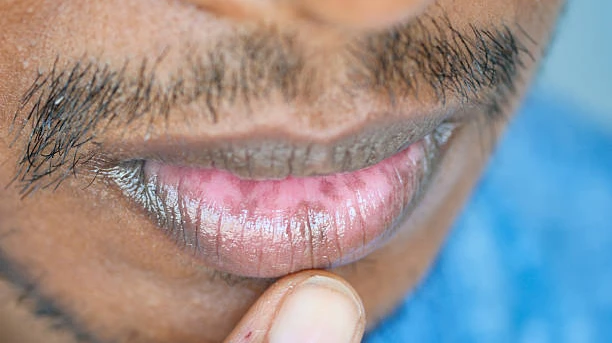
Dark or unevenly pigmented lips can affect the overall appearance of your smile and make some people feel less confident about their appearance.
Factors such as smoking, sun exposure, genetics, dehydration, and irritation can contribute to changes in natural lip colour. Chemical peels are one treatment option that may help improve lip pigmentation and create a more even appearance. Smoker Lips Treatment In Riyadh is becoming an important consideration for people who want to address darkened lips and restore a healthier-looking appearance through professional aesthetic care.
Understanding how chemical peels work can help you make an informed decision before treatment. People experiencing pigmentation associated with smoker lips often explore professional treatments to reduce uneven darkness and improve the appearance of their lips. A suitable treatment plan depends on the underlying cause of pigmentation, skin sensitivity, and individual expectations. Knowing what happens before, during, and after a chemical peel can make the experience more comfortable and predictable.
What Are Chemical Peels for Dark Lips?
Chemical peels are treatments that use carefully selected chemical solutions to exfoliate the outer layers of the skin. They encourage the removal of damaged surface cells and support the natural skin renewal process. When performed appropriately around the lips, certain superficial peeling treatments may help improve the appearance of pigmentation.
Lip skin is thinner and more delicate than most other areas of the face. Therefore, treatments designed for facial skin cannot automatically be considered suitable for the lips. A qualified professional should assess the area and determine whether a specialised treatment is appropriate.
How Chemical Peels Help Improve Lip Pigmentation
Pigmentation develops when melanin, the natural pigment responsible for skin colour, becomes unevenly distributed or increases in certain areas. Chemical exfoliation may help remove some pigmented surface cells, gradually improving the appearance of discolouration.
However, results depend on the depth and cause of pigmentation. Chemical peels may not completely remove deeper pigmentation, and multiple sessions may be necessary. Professional assessment helps determine realistic treatment expectations.
Why Do Lips Become Dark?
Dark lips can develop for several reasons, and identifying the underlying cause is important before selecting a treatment.
Smoking and Nicotine Exposure
Smoking is a recognised contributor to lip discolouration. Repeated exposure to tobacco smoke and associated chemicals may contribute to pigmentation changes over time. Heat and irritation can also affect the delicate lip tissue.
Sun Exposure
The lips are frequently exposed to sunlight without adequate protection. Ultraviolet radiation can stimulate melanin production, contributing to darker or uneven lip colour.
Dehydration and Irritation
Dryness, frequent lip licking, harsh cosmetic products, and allergic reactions can irritate the lips. Repeated inflammation may lead to post-inflammatory pigmentation, making certain areas appear darker.
Genetics and Hormonal Changes
Some individuals naturally have darker lip pigmentation because of their genetic makeup. Hormonal changes and certain medications may also influence pigmentation, making professional evaluation important.
What to Expect During a Chemical Peel for Dark Lips
Understanding the treatment process can help reduce uncertainty and prepare you for your appointment. The exact procedure depends on the selected peel and your individual lip condition.
Initial Lip Assessment
The process usually begins with an assessment of your lips. The practitioner examines pigmentation, skin sensitivity, dryness, and possible irritation. Your medical history, medications, and previous reactions to skincare products may also be discussed.
This assessment helps determine whether chemical exfoliation is suitable or whether another approach would be safer.
Preparing the Lips
Before treatment, the lip area is gently cleansed to remove makeup, oils, and impurities. The practitioner selects an appropriate formulation and concentration based on the condition being treated.
Applying the Chemical Peel
A carefully selected solution is applied to the intended treatment area according to the product's instructions and professional protocol. You may experience mild tingling or temporary warmth, depending on the formulation.
The treatment is monitored closely because lip tissue is sensitive. Any significant burning or discomfort should be addressed immediately.
Post-Treatment Care
After the procedure, appropriate soothing and protective products may be recommended. You will receive instructions about keeping your lips moisturised, avoiding irritation, and protecting them from sunlight.
Recovery After Chemical Peels for Dark Lips
Recovery varies depending on the strength of the peel and individual skin sensitivity. Mild redness, dryness, sensitivity, or peeling may occur after treatment. These effects should be monitored, and severe pain, blistering, swelling, or worsening irritation requires prompt medical attention.
What Should You Avoid After Treatment?
Avoid picking, rubbing, or peeling loose skin from your lips. Do not apply harsh exfoliants, irritating lip products, or unapproved home remedies during recovery. Smoking should also be avoided, as continued tobacco exposure may contribute to further pigmentation and interfere with healthy recovery.
Follow your practitioner's instructions and use recommended lip moisturisers and sun protection suitable for the lip area.
How to Maintain Results After Lip Pigmentation Treatment
Maintaining your results requires consistent lip care and attention to everyday habits. Protecting your lips from excessive sunlight, using suitable moisturising products, and avoiding tobacco exposure can help reduce factors associated with pigmentation.
It is also important to avoid frequently changing lip cosmetics or using products that cause irritation. If pigmentation returns or becomes more noticeable, a professional assessment can help identify the cause and determine the next appropriate step.
Frequently Asked Questions
1. Can chemical peels completely remove dark lips?
Chemical peels may improve certain types of superficial lip pigmentation, but complete removal cannot be guaranteed. Results depend on the underlying cause, pigmentation depth, and individual response to treatment.
2. Are chemical peels safe for sensitive lips?
Lip skin is delicate, so treatment requires careful product selection and professional supervision. Not every chemical peel is suitable for the lip area, particularly when irritation or existing skin conditions are present.
3. How many sessions are needed to improve dark lips?
The number of sessions varies depending on pigmentation severity, its underlying cause, and the treatment selected. A professional assessment can help establish a suitable treatment schedule.
4. Can smoking cause lips to become permanently dark?
Long-term smoking may contribute to persistent lip pigmentation. Stopping smoking can help prevent further tobacco-related exposure, although existing pigmentation may not disappear completely.
5. What should I do after a chemical peel for dark lips?
Keep your lips moisturised, avoid picking peeling skin, protect the area from sunlight, and follow professional aftercare instructions. Avoid smoking and irritating lip products during recovery.
Book Your Consultation at Enfield Royal Clinic
If you are concerned about uneven lip pigmentation and want to explore suitable treatment options, a professional consultation is a helpful first step. At Enfield Royal Clinic, patients can discuss their concerns, receive an assessment of their lip condition, and explore appropriate approaches to improving lip appearance. Discover whether Smoker Lips Treatment In Riyadh is suitable for your needs and take an informed step towards healthier-looking lips.


Comments
Login to Comment