Cervical Dystonia Symptoms Often Mistaken for Other Conditions
01 Jul, 2026
1153 Views 0 Like(s)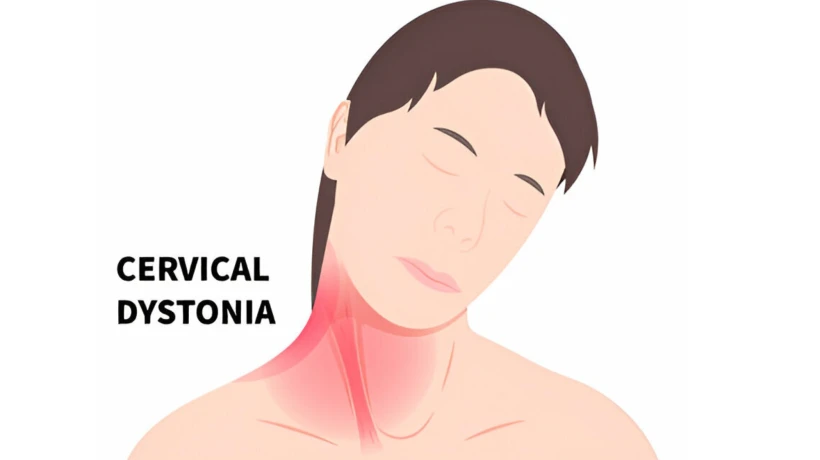
Many people deal with neck pain at some point in their lives. Most of the time, it is linked to poor posture, stress, or sleeping in an uncomfortable position. But what happens when the pain does not go away or keeps coming back?
Many people deal with neck pain at some point in their lives. Most of the time, it is linked to poor posture, stress, or sleeping in an uncomfortable position. But what happens when the pain does not go away or keeps coming back?
In some cases, the real cause may be cervical dystonia. People searching for information about Dystonia Xeomin Dysport botox treatment are often looking for answers after months or even years of unexplained symptoms. The challenge is that cervical dystonia can look a lot like other common conditions.
What Is Cervical Dystonia?
Cervical dystonia is a neurological movement disorder that affects the muscles in the neck. It causes muscles to contract without control. As a result, the head may twist, turn, tilt, or pull to one side. Some people experience mild symptoms, while others deal with significant discomfort and movement problems. Because symptoms can develop slowly, many people do not realize what is causing them at first.
Neck Pain That Looks Like a Simple Strain
One of the earliest symptoms of cervical dystonia is neck pain. Many people assume they slept in an awkward position or spent too much time looking at a screen. While those things can cause temporary discomfort, cervical dystonia pain often continues for weeks or months. If neck pain keeps returning despite rest and stretching, it may be worth looking deeper.
Frequent Headaches
Headaches are another symptom that can create confusion. The tight neck muscles associated with cervical dystonia can place extra stress on nearby muscles and nerves. This may lead to recurring headaches that feel similar to tension headaches or even migraines.
Some people focus on treating the headaches without realizing that the neck muscles may be contributing to the problem.
Shoulder Pain and Muscle Tightness
The effects of cervical dystonia are not always limited to the neck. Many people experience pain or tightness in their shoulders and upper back. This can make it seem like a muscle injury or posture problem. The discomfort may come and go, making it even harder to identify the true cause.
A Head Tilt That Seems Like Poor Posture
One of the most common signs of cervical dystonia is an unusual head position. The head may tilt to one side, turn slightly, or pull forward. In the beginning, the change may be very subtle. Friends or family members may notice it before the person experiencing the symptoms does. Because the movement develops gradually, it is often blamed on poor posture.
Muscle Spasms That Feel Like Stress
Stress can make muscle tension worse, so it is easy to assume stress is the main issue. However, cervical dystonia causes involuntary muscle contractions. These contractions can occur even when a person feels calm and relaxed. This is one reason the condition is sometimes misunderstood.
Head Tremors Mistaken for Other Disorders
Some people with cervical dystonia develop small shaking movements of the head. These tremors may resemble other movement disorders and can lead to confusion during the diagnosis process. A neurological evaluation can help determine the source of these movements.
Why Is Cervical Dystonia Often Missed?
Many cervical dystonia symptoms overlap with more common conditions.
People may think they have:
● Muscle strain
● Poor posture
● Stress-related tension
● Shoulder problems
● Chronic headaches
● Arthritis
Because the symptoms can be similar, it sometimes takes time to reach the correct diagnosis.
How Is Cervical Dystonia Treated?
Treatment depends on the severity of symptoms and the muscles involved. One of the most commonly used treatment options is botulinum neurotoxin therapy. These medications help relax overactive muscles and may reduce pain, stiffness, and abnormal movements.
People interested in Botulinum Neurotoxin therapy Walnut Creek CA should speak with a qualified healthcare provider who can evaluate their symptoms and recommend an appropriate treatment plan.
Ending Note
Cervical dystonia is more than ordinary neck pain. It can cause headaches, muscle tightness, shoulder discomfort, tremors, and abnormal head movements that are often mistaken for other conditions.
Recognizing these signs is important because early diagnosis can help guide proper treatment. If neck pain or muscle spasms continue without a clear explanation, a neurological evaluation may help identify the cause and provide a path toward better symptom management.



Comments
Login to Comment