Can Smart Switches Make Your Home Safer and More Convenient?
18 Sep, 2026
10 Views 0 Like(s)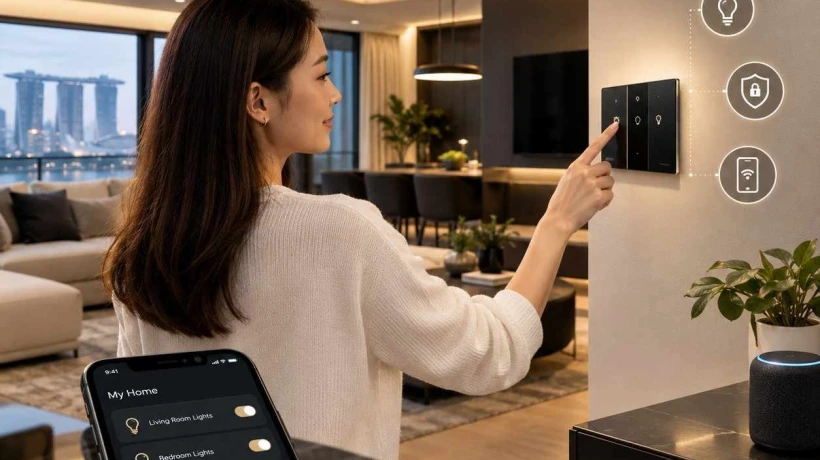
Smart switches improve home safety and convenience with remote control, lighting schedules, automation, and energy management for modern Singapore homes.
Yes, smart switches can meaningfully improve both home safety and daily convenience. They allow homeowners to automate lighting schedules, control lights remotely, and simulate occupancy when away reducing security risks. With features like energy monitoring, timer settings, and app-based control, smart switches remove the guesswork from home lighting management without requiring a full smart home overhaul.
If you've ever rushed out the door wondering whether you left the lights on, or come home late to a dark entrance, you already understand the gap that a smart switch Singapore is designed to fill. These devices do more than replace a standard wall switch they shift how your home responds to your lifestyle.
What Is a Smart Switch and How Does It Work?
A smart switch replaces your existing wall switch and connects to your home Wi-Fi or a smart home hub. Once installed, it can be controlled via a smartphone app, voice assistant, or automated schedule without needing to change your existing light fittings or bulbs.
This is what separates smart switches from smart bulbs. The intelligence is built into the switch itself, so every light connected to that circuit becomes controllable. One switch can cover an entire room or zone, making it a practical upgrade for families managing multiple rooms.
How Smart Switches Improve Home Safety

Safety is one of the most compelling reasons Singapore homeowners are making the switch. The benefits go beyond simple convenience they address real security and hazard concerns.
Lighting Schedules That Deter Break-Ins
An empty home with no lights is an obvious signal. Smart light switch allow you to set automated lighting schedules that mimic normal occupancy patterns turning lights on at dusk, switching rooms at different times, and turning off well after midnight.
According to Singapore Police Force data, residential burglaries often occur when homes appear unoccupied. Automated lighting directly counters this by making it harder to determine whether anyone is home.
Remote Monitoring and Control When You're Away
Whether you're travelling for work or on a family holiday, smart home safety features let you check and control every light from your phone. Left a light on in the utility room? Switch it off. Want the hallway lit before you arrive? Turn it on remotely.
This level of control is particularly valuable for families with school-going children or elderly parents at home. You can confirm lights are on in shared areas after dark or ensure specific rooms stay lit during evening hours all without being physically present.
Reducing Fire Risk Through Automation
Lights left on for extended hours in enclosed spaces can contribute to heat buildup, especially with older fittings. Automated lighting lets you set strict on/off schedules for every switch in the home, ensuring lights aren't running longer than necessary. Some smart switches also include energy monitoring features that flag unusual consumption patterns.
Smart Switches and Everyday Convenience
Beyond safety, the daily quality-of-life improvements are just as significant and often what families notice first.
Lighting Schedules That Match Your Routine
Automated lighting means your home adjusts to you, not the other way around. Set your kitchen lights to turn on before your alarm goes off. Schedule the living room to dim at 9 PM for winding-down time. These aren't novelties they're practical routines that reduce the number of micro-decisions your family makes each day.
One-Touch and Voice Control
Smart lighting in Singapore homes increasingly pairs with voice assistants like Google Home or Amazon Alexa. Instead of walking to a switch across the room, a single voice command handles it. For families with young children, the elderly, or anyone with mobility concerns, this makes a genuine difference.
Managing Multiple Rooms From One Place
A well-configured smart home app lets you control all your switches from a single dashboard. Going to bed? Tap "all off" and every light in the house responds. This replaces the nightly walk-through most homeowners still do and means fewer arguments about who left the lights on.
Smart Switch vs Standard Switch: A Quick Comparison

What to Consider Before Installing Smart Switches in Singapore
Singapore homes have specific electrical standards governed by the Energy Market Authority (EMA) and the Building and Construction Authority (BCA). Before installation, there are a few practical factors to review.
Neutral Wire Requirement
Most smart switches require a neutral wire to function. Older HDB flats and some condominiums may not have this wired into the switch box. A licensed electrician can assess this during a site visit and advise on compatible models or wiring adjustments.
Hub vs. Wi-Fi Direct
Some smart switches connect directly to your home Wi-Fi, while others require a separate hub. Wi-Fi direct models are simpler to set up, but hub-based systems often offer more reliable performance across multiple devices a relevant consideration for larger homes or those planning a broader smart home setup.
Compatibility With Existing Systems
If you already use a smart home ecosystem Google Home, Amazon Alexa, or Apple HomeKit confirm compatibility before purchasing. Not all smart switches work across all platforms, and choosing an incompatible product creates friction rather than convenience.
Are Smart Switches Worth It for Singapore Families?
For families managing busy schedules, school runs, and frequent travel, the answer is yes. The combination of automated lighting, remote access, and security scheduling addresses real pain points not hypothetical ones.
The upfront cost of smart switches is higher than standard fittings, but the long-term value comes from energy savings, reduced risk, and the daily time saved. Many homeowners find that once one room is automated, they quickly expand to the rest of the home.
For those looking to explore quality options suited to Singapore homes, Luxus offers a range of smart lighting solutions designed for local electrical standards and lifestyle needs making the transition straightforward from selection through to installation.
Frequently Asked Questions
Do smart switches work during a Wi-Fi outage?
Most smart switches revert to manual operation during a Wi-Fi outage, so you can still use them as a standard switch. Remote control and scheduling features will be unavailable until the connection is restored.
Can I install a smart switch in my HDB flat?
Yes, smart switches can be installed in HDB flats, but older units may lack a neutral wire in the switch box. It's recommended to hire a licensed electrician to assess your wiring before purchasing a specific model.
Will a smart light switch work with any light fitting?
Yes, smart switches work with most existing light fittings since the intelligence is in the switch itself, not the bulb. This makes them a practical upgrade without needing to replace your current fixtures or lighting throughout the home.
How do lighting schedules improve home security?
Automated lighting schedules simulate occupancy by turning lights on and off at varied times, making your home appear lived-in even when you're away. This is one of the most effective passive deterrents against opportunistic break-ins.
Are smart switches energy-efficient?
Smart switches help reduce energy consumption by ensuring lights are never left on unnecessarily. Scheduled automation and remote off-switching can contribute to noticeable reductions in your monthly electricity bill over time.
Do I need a smart home hub to use a smart switch in Singapore?
Not necessarily. Many smart switches connect directly to your home Wi-Fi and are controlled via a dedicated app. Hub-based systems offer more advanced integration but are optional unless you're building a larger connected home ecosystem.


Comments
Login to Comment