Can Ozempic Injection Affect Your Hydration Levels?
14 Sep, 2026
3 Views 0 Like(s)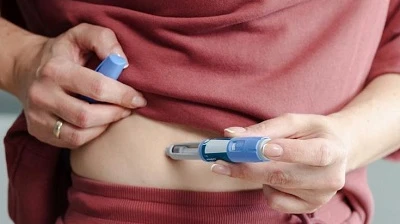
Ozempic Injections may help manage type 2 diabetes and support weight loss. Learn about benefits, uses, dosage, side effects, and safety.
Ozempic injection has become widely discussed as a treatment option for adults with type 2 diabetes and, in some settings, for weight-management-related care. As interest in this medication grows, many people have questions about how it may affect everyday health, including hydration.
Hydration is essential for maintaining blood circulation, supporting digestion, regulating body temperature, and helping the kidneys function properly. Although Ozempic does not directly remove water from the body in the way that a diuretic can, some people may experience side effects that indirectly increase the risk of dehydration. Nausea, vomiting, diarrhea, reduced appetite, and lower fluid intake can all contribute to inadequate hydration.
For people researching the Best Ozempic Injection in Muscat, understanding these potential effects can help them make informed decisions and recognize when professional medical advice may be necessary. Ozempic should be used only under appropriate medical supervision, with the dose and treatment plan determined according to individual health needs.
How Can Ozempic Affect Hydration?
Ozempic contains semaglutide, a medication that belongs to the glucagon-like peptide-1 (GLP-1) receptor agonist class. It works by helping regulate blood sugar and can also reduce appetite and slow the movement of food through the stomach.
The medication itself does not typically cause dehydration directly. However, gastrointestinal side effects can make it more difficult for some people to maintain adequate fluid intake.
For example, nausea may make drinking water less appealing. If nausea progresses to vomiting, the body can lose both fluids and electrolytes. Diarrhea can have a similar effect because the body loses water and important minerals through frequent loose stools.
Some people may also eat and drink less because they feel fuller for longer after taking Ozempic. While reduced food intake can be useful for certain treatment goals, maintaining adequate fluid intake remains important.
This is why hydration deserves attention during treatment, particularly when the medication is first started or when the dose is increased.
Why Is Hydration Important During Ozempic Treatment?
Adequate hydration supports many essential body functions. Water helps maintain blood volume, assists digestion, supports kidney function, and contributes to normal temperature regulation.
For someone taking Ozempic, maintaining hydration can be particularly important if gastrointestinal side effects occur. Persistent vomiting or diarrhea may lead to significant fluid loss. In people who are already vulnerable to dehydration, this can become a more serious concern.
Dehydration may cause symptoms such as:
-
Increased thirst
-
Dry mouth or lips
-
Headache
-
Dizziness or lightheadedness
-
Darker-than-usual urine
-
Tiredness or weakness
-
Reduced urination
Mild dehydration can often improve when fluid intake is increased, but more substantial fluid loss may require medical evaluation.
People with diabetes should take dehydration particularly seriously because illness, reduced fluid intake, and changes in blood glucose can sometimes occur together. Anyone experiencing concerning symptoms should seek appropriate medical advice rather than attempting to manage significant dehydration independently.
Can Nausea, Vomiting, or Diarrhea Increase the Risk of Dehydration?
Yes. Gastrointestinal symptoms are among the main reasons Ozempic users may experience hydration concerns.
Nausea is a commonly reported side effect of semaglutide treatment, especially around the beginning of therapy or following dose increases. Although mild nausea does not necessarily cause dehydration, it can reduce a person's desire to drink.
Vomiting presents a greater concern because fluid consumed may be lost before the body can absorb it. Repeated vomiting can therefore make it difficult to replace lost fluids.
Diarrhea can also cause substantial fluid and electrolyte loss, particularly when it occurs repeatedly or continues for several days.
When these symptoms occur, small and frequent sips of water may be easier to tolerate than drinking a large amount at once. Depending on the circumstances, a healthcare professional may also recommend an appropriate oral rehydration solution to help replace fluids and electrolytes.
Severe or persistent vomiting or diarrhea should not simply be attributed to the medication without assessment. A healthcare professional can determine whether the symptoms are related to Ozempic, another condition, another medication, or a combination of factors.
How Can Someone Stay Hydrated While Taking Ozempic?
A simple hydration routine can make it easier to maintain adequate fluid intake during Ozempic treatment.
Drink Fluids Regularly
Rather than waiting until intense thirst develops, regular fluid intake throughout the day can be helpful. Water is generally a practical choice for everyday hydration.
People who find plain water difficult to drink can discuss other suitable low-sugar options with a healthcare professional, particularly if they are managing diabetes.
Pay Attention to Urine Color
Urine color can provide a general indication of hydration status. Pale yellow urine commonly suggests reasonable hydration, while consistently dark urine may indicate that more fluids are needed. However, urine color can also be affected by medications, supplements, diet, and medical conditions, so it should not be used as the only measure.
Take Extra Care During Gastrointestinal Side Effects
If nausea, vomiting, or diarrhea develops, fluid needs may increase because of fluid losses. Taking small sips at regular intervals may be easier than consuming a large volume quickly.
If fluids cannot be kept down, medical advice is important.
Avoid Excessive Sugary Drinks
Drinks containing large amounts of added sugar may not be the best everyday hydration choice, particularly for people managing blood glucose. A healthcare professional can help determine suitable fluid options based on an individual's diabetes management plan.
Monitor Blood Glucose as Recommended
Hydration and blood glucose management can influence one another during illness or periods of reduced intake. People with diabetes should continue following their healthcare professional's recommendations for glucose monitoring and medication use.
When Should Someone Seek Medical Advice?
Most mild side effects associated with Ozempic can be discussed during routine medical care. However, certain symptoms warrant prompt professional attention.
A person should contact a healthcare professional if vomiting or diarrhea is persistent, if drinking becomes difficult, or if symptoms of dehydration develop. Very little or no urination, severe weakness, confusion, fainting, or significant dizziness can indicate a more serious problem and may require urgent evaluation.
People with existing kidney problems may need particular caution because significant dehydration can place additional stress on kidney function. The risk may also be relevant to people taking other medications that affect kidney function or fluid balance.
It is important not to stop or change a prescribed Ozempic dose without professional guidance. If side effects are difficult to tolerate, a healthcare professional can assess the situation and determine whether treatment adjustments are appropriate.
For anyone considering the Best Ozempic Injection in Muscat, a proper consultation should include more than simply discussing the medication's potential benefits. A qualified healthcare professional can review medical history, current medications, diabetes status, weight-related goals where relevant, possible contraindications, and the individual's ability to tolerate treatment.
Choosing Ozempic Treatment Responsibly in Muscat
Searching for the Best Ozempic Injection in Muscat may lead to many online claims, but the most suitable treatment is not necessarily determined by a product name, promotional statement, or advertised package.
Ozempic is a prescription medicine, and suitability varies from person to person. A responsible treatment approach begins with a medical assessment and an individualized plan.
During a consultation, patients may wish to ask about:
-
Whether semaglutide is appropriate for their medical condition
-
The intended treatment goal
-
Possible gastrointestinal side effects
-
Hydration and nutrition during treatment
-
How blood glucose should be monitored
-
What symptoms require medical attention
-
How the dose may be adjusted over time
-
Potential interactions with other medications
-
What follow-up care will be provided
Patients should also be cautious about obtaining injectable medicines from unverified sources. Proper storage, product authenticity, prescription requirements, and administration instructions all matter when using injectable medication.
The goal should be safe and appropriate treatment rather than simply finding the most aggressively marketed option.
The Bottom Line on Ozempic and Hydration
Ozempic does not usually cause dehydration directly, but its gastrointestinal side effects and appetite-suppressing effects can sometimes make dehydration more likely. Nausea, vomiting, diarrhea, and reduced fluid intake are the main factors to watch.
Maintaining regular fluid intake, monitoring symptoms, and seeking medical guidance when side effects become significant can help support safer treatment. People with diabetes or other health conditions should follow individualized medical advice because hydration requirements and medication risks can differ considerably.
For those researching the Best Ozempic Injection in Muscat, the priority should be medically supervised care, an appropriate treatment plan, reliable medication sourcing, and ongoing follow-up. A healthcare professional can determine whether Ozempic is suitable and provide guidance on managing potential side effects, including hydration concerns.
1. Can Ozempic cause dehydration?
Ozempic does not generally cause dehydration directly. However, side effects such as vomiting and diarrhea can cause fluid loss, while nausea or reduced appetite may make it harder to drink enough fluids.
2. How much water should someone drink while taking Ozempic?
There is no single amount that is appropriate for everyone. Fluid needs depend on factors such as body size, activity, climate, diet, medical conditions, and fluid losses. A healthcare professional can provide individualized guidance.
3. What are signs of dehydration while using Ozempic?
Common signs may include increased thirst, dry mouth, headache, dizziness, fatigue, dark urine, and reduced urination. Severe symptoms such as confusion, fainting, or very little urination require prompt medical attention.
4. Can nausea from Ozempic affect fluid intake?
Yes. Nausea can make drinking uncomfortable or reduce the desire to consume fluids. Taking small, frequent sips may be easier to tolerate. Persistent vomiting should be discussed with a healthcare professional.
5. Is Ozempic suitable for everyone?
No. Ozempic is not appropriate for everyone. Suitability depends on medical history, current medications, health conditions, treatment goals, and other individual factors. A qualified healthcare professional should assess whether it is appropriate.
6. What should someone do if vomiting or diarrhea continues while taking Ozempic?
Persistent vomiting or diarrhea can increase the risk of dehydration and may require medical assessment. A person should contact a healthcare professional, particularly if fluids cannot be kept down or symptoms such as severe dizziness, weakness, confusion, or reduced urination develop.
Read More About Ozempic Injection:


Comments
Login to Comment