Can Old Tattoos Be Easier to Remove?
13 Oct, 2026
9 Views 0 Like(s)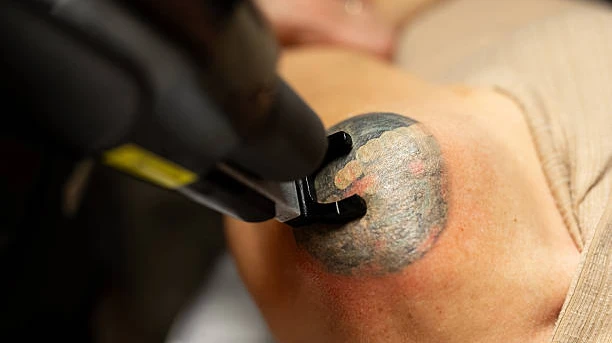
Tattoos can hold special memories, represent personal milestones, or reflect an individual's style. However, preferences can change over time, leading many people to consider tattoo removal.
One common question is whether old tattoos are easier to remove than new ones. The answer depends on several factors, including ink color, tattoo depth, skin type, and the body's natural healing response. Understanding these factors can help you make an informed decision about laser tattoo removal and what to expect during treatment.
At Enfield Royal Clinic, individuals exploring Laser Tattoo Removal in Riyadh can learn about modern treatment options designed to gradually fade unwanted tattoo ink. Older tattoos may sometimes respond well because the body's immune system has already broken down and eliminated some ink particles over time. However, this does not guarantee easier removal in every case. People considering eyebrow tattoo removal riyadh can also benefit from a professional assessment to determine the most suitable approach for their specific tattoo and skin concerns.
Why Can Old Tattoos Be Easier to Remove?
Natural Ink Fading Over Time
As a tattoo ages, its appearance may become lighter and less defined. This happens partly because the skin changes over time and the immune system gradually processes small amounts of tattoo pigment. Sun exposure and natural skin renewal can also affect how a tattoo looks.
When a tattoo has already faded considerably, fewer visible pigment deposits may remain in some cases. This can make removal more straightforward than removing a dense, recently applied tattoo. However, the amount and depth of the remaining ink are more important than the tattoo's age alone.
The Role of Tattoo Ink and Depth
Not all tattoos are created in the same way. Professional tattoos often contain densely packed pigments placed at a relatively consistent depth, while amateur tattoos may have uneven ink distribution. These differences can influence how effectively laser energy reaches the pigment.
Older tattoos with shallow or less concentrated ink may fade more readily. Conversely, a deeply embedded tattoo can remain difficult to remove even after many years. Black and dark blue pigments generally respond better to many laser treatments than certain green, yellow, and light-colored pigments.
What Factors Affect Tattoo Removal Results?
Ink Color and Tattoo Size
Ink color plays an important role in treatment planning. Dark pigments usually absorb the wavelengths used by many tattoo-removal lasers more effectively. Some lighter colors require different laser wavelengths and may be more resistant to treatment.
The size of the tattoo also matters. Small tattoos may require less treatment time per session, while larger designs can take longer to address. Multicolored tattoos may need a customized approach because different pigments respond differently to laser energy.
Skin Type and Individual Healing
Every person's skin responds differently to tattoo removal. Skin tone, existing skin conditions, the tattoo's location, and individual healing characteristics can influence treatment decisions and outcomes.
A qualified practitioner should assess the skin before treatment, particularly for people who are prone to pigmentation changes or scarring. Appropriate laser selection and careful aftercare can help reduce the risk of unwanted effects.
How Does Laser Tattoo Removal Work?
Breaking Down Tattoo Pigment
Laser tattoo removal uses concentrated pulses of light to target pigment particles within the skin. The energy breaks the pigment into smaller fragments, which the body's immune system gradually clears over time.
The treatment usually requires multiple sessions rather than a single appointment. The number of sessions depends on the tattoo's characteristics, the laser technology used, and the individual's response to treatment.
Why Spacing Between Sessions Matters
Allowing sufficient time between sessions gives the skin an opportunity to heal and the body time to process fragmented ink particles. Treating a tattoo too frequently may increase irritation without improving results.
Following the recommended treatment schedule is important for both safety and effectiveness. Temporary redness, swelling, tenderness, or blistering may occur, and less common complications include infection, scarring, and changes in skin pigmentation.
Can Every Old Tattoo Be Completely Removed?
Complete tattoo removal is not always possible. Some tattoos fade substantially, while others leave a faint outline or residual pigment. Certain colors, dense designs, and deeply placed ink can be particularly challenging to eliminate.
It is also important to understand that old tattoos are not automatically easier to remove than newer ones. A professional assessment can help establish realistic expectations based on the tattoo's age, ink composition, depth, and location.
Frequently Asked Questions
Are old tattoos easier to remove than new tattoos?
Sometimes. Older tattoos may have faded naturally, leaving less visible pigment. However, ink depth, color, density, and individual skin characteristics can matter more than age alone.
How many sessions are needed to remove an old tattoo?
The number of sessions varies according to the tattoo's size, color, depth, and response to treatment. Several sessions are commonly required, with appropriate intervals between appointments.
Does black tattoo ink come off more easily?
Black ink generally responds well to many tattoo-removal lasers because it absorbs laser energy effectively. Results still depend on the tattoo's depth, density, and other individual factors.
Is laser tattoo removal safe for all skin types?
Laser tattoo removal can be performed on different skin types, but the appropriate technology and settings must be selected carefully. Professional assessment helps reduce the risk of burns, scarring, and pigmentation changes.
Can an old eyebrow tattoo be removed?
Old eyebrow tattoos may be treated with specialized laser techniques, depending on the pigment and skin characteristics. Some cosmetic tattoo pigments can change color when exposed to laser energy, so a careful assessment and appropriate precautions are essential.
Short Consultation
If you are considering removing an unwanted tattoo, understanding your options is the first step toward making a confident decision. Enfield Royal Clinic provides information about aesthetic treatment options and the importance of individualized care. Arrange a consultation to discuss your tattoo, learn what results may be realistic, and understand the treatment and aftercare considerations that apply to your skin.


Comments
Login to Comment