Can G Cell Treatment improve weak hair follicles
08 Sep, 2026
7 Views 0 Like(s)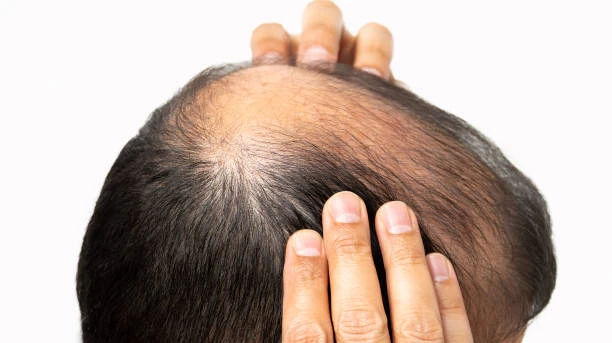
G Cell Treatment may support weak hair follicles by promoting scalp health and helping hair appear stronger, thicker, and healthier over time.
Weak hair follicles can gradually change the appearance of the hair, causing strands to become finer, less dense, and less resilient during the natural growth cycle. Because follicles are responsible for producing every hair strand, supporting their function is an important focus of modern regenerative hair treatments. For individuals exploring G Cell Treatment in Abu Dhabi, a key question is whether this approach can improve the condition of weak hair follicles and encourage healthier-looking growth. G Cell Treatment is centered on regenerative principles that aim to support existing follicular structures, making it particularly relevant when follicles remain viable but are no longer producing hair with their previous strength or thickness.
Understanding Weak Hair Follicles
Hair follicles are living structures located beneath the scalp that continuously produce hair through a repeating growth cycle. Each follicle goes through active growth, transition, and resting phases, with the duration of these phases influencing hair density and quality.
A weak follicle may continue producing hair while gradually generating thinner or shorter strands. This process can occur subtly, so changes may initially be noticed as reduced fullness rather than obvious hair loss.
Follicular weakening can be associated with different forms of hair thinning. In pattern hair loss, for example, susceptible follicles may undergo miniaturization, becoming progressively smaller and producing finer hair. Understanding this process helps explain why supporting viable follicles may be relevant to improving hair quality.
How G Cell Treatment May Support Weak Follicles
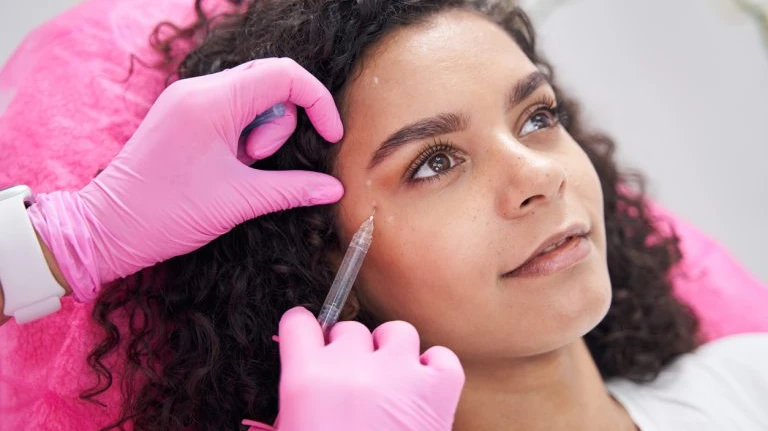
G Cell Treatment follows a regenerative approach focused on the biological environment surrounding existing hair follicles. Depending on the treatment protocol, cellular material derived from the individual's own tissue may be prepared and introduced into targeted scalp areas.
The purpose is to support the cellular environment involved in follicular activity. Hair follicles depend on complex communication between their own cells and surrounding tissues, and regenerative approaches are designed to encourage these natural biological processes.
When weak follicles remain viable, supporting their environment may potentially help them maintain more productive activity. This can contribute to healthier-looking hair growth over time.
Can G Cell Treatment Strengthen Weak Hair Follicles?
G Cell Treatment may potentially support weak follicles, particularly when they are still producing fine or miniaturized hair. However, strengthening a follicle should not be interpreted as completely rebuilding or replacing a follicle that has been permanently lost.
The distinction between weakened and absent follicles is important. A follicle that continues to produce hair has some level of biological activity, whereas an area with extensive follicular loss presents a different situation.
For this reason, the condition and viability of the follicles are important considerations when evaluating the potential of regenerative treatment.
Why Follicular Viability Matters
Viable follicles provide the foundation for natural hair production. When a follicle remains active but produces increasingly fine strands, there may be an opportunity to support its function.
This is particularly relevant during early or moderate stages of thinning. The presence of fine hairs can indicate that follicles remain active even though their output has decreased.
In areas where follicular structures have been inactive for a prolonged period, the potential for regenerative support may be more limited. G Cell Treatment is therefore better understood as a method focused on supporting existing follicles rather than creating an entirely new follicular population.
G Cell Treatment and Hair Thickness
One of the most noticeable signs of follicular weakening is a reduction in individual strand thickness. When each follicle produces a finer hair, the scalp may become more visible and the overall hair can appear less full.
If regenerative support improves the activity of viable follicles, the resulting hair may potentially appear thicker and healthier. Increased strand diameter can provide better visual coverage and create a fuller appearance.
This means that an improvement in hair quality can have a significant effect even if the total number of follicles does not change substantially.
The Role of the Scalp Environment
Hair follicles do not operate independently. Their activity is influenced by surrounding cells, tissue, signaling molecules, and other biological factors within the scalp.
Regenerative approaches focus on this local environment because supporting communication between cells may help create conditions associated with healthy follicular activity.
G Cell Treatment is therefore intended to work with the body's existing biological structures rather than simply adding temporary volume to the hair. Its focus is on supporting the environment in which viable follicles function.
G Cell Treatment and the Natural Hair Cycle
The natural hair cycle has a significant influence on the appearance of weak hair. During the active growth phase, follicles produce hair continuously. During resting phases, visible density can change as older strands are shed and new growth develops.
A regenerative approach may support follicular activity, but the natural cycle still determines how quickly changes become visible. New hair needs time to grow before it can contribute meaningfully to overall density and thickness.
Consequently, any potential improvement following G Cell Treatment should be viewed as a gradual process rather than an immediate transformation.
Can Weak Follicles Produce Thicker Hair Again?
Weak follicles may potentially produce stronger-looking hair when their biological activity improves. This is especially relevant when weakening is associated with miniaturization rather than complete follicular loss.
If the follicle remains capable of producing hair, regenerative support may potentially contribute to improved strand characteristics. Thicker-looking hairs can increase scalp coverage and make the overall hair appear healthier.
However, the degree of improvement varies between individuals. Follicular condition, underlying hair-loss pattern, duration of thinning, and individual biological response can all influence the outcome.
Which Areas Can Benefit From Follicular Support?
Weak follicles can occur across different areas of the scalp, including the frontal region, temples, crown, and central scalp. The appearance of thinning can differ depending on the location and the pattern of hair loss.
G Cell Treatment may potentially be used in targeted areas where viable follicles are present. Supporting these follicles may help improve the appearance of density and strand thickness within the treated region.
The potential response remains dependent on the condition of the follicles rather than simply their location.
Is Early Follicular Weakness a Good Time for Treatment?
Early follicular weakness may offer an opportunity to focus on follicles before their activity becomes substantially reduced. When fine hairs are still present, the follicles may retain biological potential that can be supported.
This does not mean that every person with early thinning will experience the same result. The underlying cause and individual follicular condition remain important factors.
Recognizing changes early can nevertheless help individuals explore options aimed at maintaining and supporting existing hair-producing structures.
What Influences the Results?
The response to regenerative hair treatment can differ considerably. The severity and duration of follicular weakening are important, as are the underlying cause of hair loss and the number of viable follicles in the treatment area.
Individual hair characteristics can also influence visible results. Natural strand thickness, texture, growth rate, and baseline density all affect how changes in hair quality appear.
For these reasons, G Cell Treatment should not be associated with a fixed outcome. Its potential benefits depend on the biological condition of the individual's hair follicles.
What Can You Expect Over Time?
Potential changes following G Cell Treatment are expected to develop progressively. Hair follicles require time to produce new strands, and those strands need additional time to grow and mature.
Early changes may involve subtle improvements in the appearance of individual hairs. As growth continues, increased thickness and visual density may become easier to recognize.
This gradual process makes long-term observation important when assessing the overall effect of regenerative follicular support.
Can G Cell Treatment Restore Completely Inactive Follicles?
G Cell Treatment is primarily intended to support existing viable follicles. It should not be considered a guaranteed method of restoring follicles that have been completely lost or permanently inactive.
Its potential is more closely associated with follicles that continue to show signs of activity, such as producing fine, short, or miniaturized hairs.
This distinction helps establish realistic expectations. Supporting weak follicles and recreating absent follicles are fundamentally different goals.
Setting Realistic Expectations
G Cell Treatment should be approached as a regenerative strategy rather than an instant method of strengthening every hair follicle. Its potential objective is to support viable follicles and encourage healthier-looking hair production.
For suitable individuals, the desired improvements may include thicker-looking strands, improved visual density, and greater overall hair fullness. The degree of change depends on follicular health and individual response.
A realistic understanding of what regenerative treatment can accomplish allows people to focus on gradual improvements in hair quality rather than expecting immediate or complete restoration.
Final Thoughts
Can G Cell Treatment improve weak hair follicles? It may support viable but weakened follicles and potentially encourage healthier-looking hair growth over time. Its regenerative approach focuses on the biological environment surrounding existing follicles, with the goal of supporting their natural activity.
The potential for improvement is generally more relevant when follicles remain active but are producing increasingly fine or weak strands. Early and moderate follicular weakening may therefore provide an opportunity to focus on improving the quality and appearance of existing hair.
While results vary according to follicular condition, underlying hair-loss patterns, and individual response, G Cell Treatment may offer a regenerative approach for people seeking to support weak hair follicles and achieve fuller, healthier-looking hair over time.
Frequently Asked Questions
Can G Cell Treatment improve weak hair follicles?
G Cell Treatment may potentially support weak but viable follicles by encouraging a more supportive biological environment. The potential for improvement depends on the condition and activity of the follicles.
Can weak follicles produce thicker hair again?
If the follicles remain viable, regenerative support may potentially encourage healthier-looking hair production and improved strand thickness. The degree of change varies between individuals.
Does G Cell Treatment create new hair follicles?
Its primary purpose is to support existing viable follicles rather than create an entirely new population of follicles. Areas with extensive follicular loss may therefore have different treatment potential.
How long does it take for weak follicles to show improvement?
Hair growth occurs gradually, so potential changes develop over time. New strands need sufficient time to grow and mature before improvements in thickness and density become noticeable.
Is G Cell Treatment suitable for early weak hair follicles?
It may be appropriate for some individuals with early follicular weakening, particularly when fine or miniaturized hairs indicate that viable follicles remain. Individual follicular condition and the underlying cause of thinning are important considerations.
Comments
Login to Comment