Can Botox Injections Change Your Facial Expressions?
07 Oct, 2026
9 Views 0 Like(s)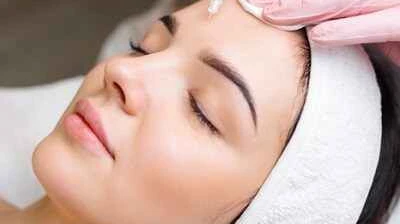
Explore Botox Injections for smoother, youthful-looking skin. Learn how this popular cosmetic treatment reduces fine lines and refreshes your appearance.
Botox has become a widely discussed cosmetic treatment for people who want to soften the appearance of facial lines while maintaining a natural-looking appearance. Yet one concern often comes up before treatment: Can Botox injections change facial expressions?
The short answer is that Botox can affect the way certain facial muscles move, but properly administered treatment is generally intended to reduce excessive muscle activity rather than eliminate normal expression. The final result depends on factors such as the injection technique, dosage, treatment area, individual muscle strength, and the experience of the medical professional performing the procedure.
For people researching Botox Injections in Muscat, understanding how the treatment works, what changes may occur, and how natural facial movement can be preserved can make the decision process much easier.
How Botox Injections Affect Facial Muscles
Botox is a purified form of botulinum toxin that temporarily reduces communication between specific nerves and muscles. When injected into selected facial muscles, it limits the muscle contractions responsible for certain dynamic wrinkles.
Dynamic wrinkles are lines that become more noticeable when a person makes facial expressions. Common examples include forehead lines, frown lines between the eyebrows, and lines around the outer corners of the eyes.
The goal of treatment is not necessarily to stop facial movement completely. Instead, carefully selected muscles may be relaxed enough to soften wrinkles while allowing other facial muscles to continue functioning normally.
This distinction is important because facial expressions depend on coordinated movement between many different muscles. A treatment that is too strong, too extensive, or placed incorrectly can temporarily affect this balance.
For that reason, Botox treatment should be approached as a medical procedure rather than simply a cosmetic injection.
Can Botox Make the Face Look Less Expressive?
Botox can make a face appear less expressive when the muscles responsible for certain expressions are significantly weakened. However, this does not automatically mean that every person receiving Botox will develop a frozen or expressionless appearance.
The amount of movement preserved depends largely on treatment strategy. A conservative approach may soften prominent wrinkles while retaining noticeable movement. A stronger treatment may produce a more dramatic reduction in muscle activity.
Individual anatomy also matters. Two people receiving similar treatment may experience different results because their facial muscles, skin characteristics, wrinkle patterns, and natural expressions are not identical.
A natural-looking result usually depends on balancing wrinkle reduction with appropriate muscle movement. During a consultation, the desired level of movement can be discussed so that treatment can be planned around the individual's aesthetic preferences.
People considering Botox Injections in Muscat may therefore benefit from asking how the proposed treatment could influence facial movement before proceeding.
Which Facial Expressions Can Be Affected?
Botox can influence expressions involving the muscles where it is injected. The most commonly treated areas include the forehead, the region between the eyebrows, and the outer eye area.
For example, injections into forehead muscles can reduce the ability to raise the eyebrows as strongly. Treatment between the eyebrows can soften the appearance of frown lines and may reduce the intensity of a concentrated or angry-looking expression.
Injections around the eyes can decrease muscle activity that contributes to crow's feet. Depending on the technique and amount used, some natural movement can remain.
Facial expression is complex, however, and treatment in one area can sometimes influence the appearance of another. The eyebrows, forehead, eyelids, and muscles around the eyes work together. Therefore, treatment planning requires an understanding of facial anatomy rather than simply targeting visible wrinkles.
This is one reason an individualized assessment is important.
What Causes an Unnatural or “Frozen” Appearance?
The term “frozen face” is often associated with Botox, but it generally refers to excessive reduction in facial movement rather than an unavoidable effect of the treatment.
Several factors can contribute to an overly rigid appearance. Excessive dosing is one possible factor. Injecting too much Botox into a muscle can reduce movement more than intended.
Injection placement also matters. Facial muscles differ in size, strength, position, and function from person to person. If injections are not appropriately positioned, surrounding muscle activity may be affected.
Another consideration is treatment frequency. Some individuals may choose repeated treatments to maintain their results. The treatment plan should be reassessed over time rather than assuming that exactly the same approach is appropriate at every appointment.
Clear communication is equally important. Someone who wants significant wrinkle reduction with very limited movement may have different treatment goals from someone who wants subtle smoothing while retaining expressive movement.
A qualified medical professional can consider these preferences when developing an appropriate treatment plan.
How to Maintain Natural Facial Expressions After Botox
Anyone concerned about losing facial expression can discuss a conservative treatment approach during consultation. Several factors may help support a natural-looking result.
First, the treatment should be personalized. Facial structure, muscle activity, skin condition, wrinkle depth, and previous cosmetic treatments can all influence the approach.
Second, expectations should be realistic. Botox can soften certain dynamic wrinkles, but it does not completely stop the natural aging process or address every type of facial line.
Third, communication about desired results is essential. A person can explain whether they want subtle smoothing, stronger wrinkle reduction, or as much natural movement as possible.
Finally, follow-up can be useful. Botox does not produce its full effect immediately. The treated muscles gradually become less active, and the final appearance can become clearer over the following days. If an individual has concerns about the result, a follow-up assessment may help determine whether any adjustment is appropriate.
For those exploring Botox Injections in Muscat, choosing treatment based on safety, individualized assessment, and realistic expectations is generally more important than pursuing the strongest possible wrinkle reduction.
How Long Does Botox Affect Facial Movement?
Botox is temporary. Its effects gradually decrease as nerve-to-muscle communication returns and muscle activity becomes stronger again.
Many people notice an improvement in dynamic wrinkles within several days, while the full cosmetic effect may take longer to become apparent. The duration of the result varies between individuals and depends on factors such as the treatment area, dosage, muscle activity, and individual response.
As the effect wears off, facial muscles gradually regain their usual movement. Wrinkles that were softened may slowly become more visible again.
Because results vary, treatment schedules should be individualized rather than based solely on a fixed timetable. Repeated treatment should also be discussed with a qualified medical professional who can assess whether further injections remain appropriate.
Is Botox Right for Someone Who Wants a Natural Look?
Botox can be suitable for individuals who want to reduce certain expression-related wrinkles while maintaining facial movement. However, the treatment is not identical for everyone.
Someone seeking a subtle result may prefer a different treatment intensity from someone primarily interested in maximum wrinkle reduction. The right approach depends on facial anatomy, treatment goals, muscle activity, and professional assessment.
It is also important to understand that Botox is not designed to permanently change facial expressions. Its effects are temporary, and the degree of movement reduction depends on the muscles treated and the amount administered.
Before treatment, individuals should discuss medical history, previous cosmetic procedures, medications, allergies, expectations, and potential risks with an appropriately qualified healthcare professional.
When performed carefully and for suitable candidates, Botox can soften certain facial lines without necessarily eliminating the expressions that make a face look natural and individual.
Frequently Asked Questions
1. Can Botox completely stop facial expressions?
Botox can significantly reduce movement in specific treated muscles, particularly when larger amounts are used. However, treatment does not necessarily eliminate all facial expressions. A personalized approach can aim to preserve an appropriate amount of natural movement.
2. Does Botox make everyone look frozen?
No. A frozen appearance is not an inevitable result of Botox. The outcome can depend on dosage, injection placement, facial anatomy, treatment goals, and individual response. Conservative treatment may provide wrinkle reduction while preserving more movement.
3. Can Botox change the shape of the eyebrows?
It can sometimes influence eyebrow position or appearance because the muscles around the forehead and eyebrows work together. Appropriate assessment and injection placement are important when treating this area.
4. How long does reduced facial movement last after Botox?
The effects are temporary. Muscle activity gradually returns as the effect of Botox wears off. The duration varies from person to person and depends on several factors, including the treatment area and individual response.
5. Can a person still smile normally after Botox?
Most people can continue to smile normally because Botox is targeted to selected muscles. However, treatment around areas involved in facial movement can influence expression if the muscles are significantly weakened.
6. What should someone consider before Botox Injections in Muscat?
A person should consider the treatment goal, expected results, potential risks, medical history, and the qualifications and experience of the professional performing the procedure. A consultation is an important opportunity to discuss concerns about facial expression and develop an individualized treatment plan.
Read More About Botox Injections: https://medium.com/@eshanasir556/botox-injections-how-to-reduce-bruising-and-swelling-0ee4dc3ed71f
Comments
Login to Comment