Blueprint Estimating vs Manual Takeoffs: Which Is More Accurate?
10 Jul, 2026
1022 Views 0 Like(s)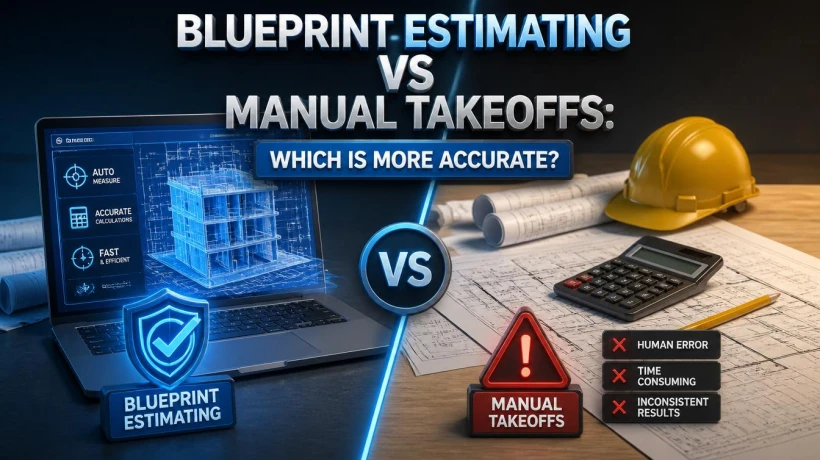
Compare Blueprint Estimating and manual takeoffs to discover which method delivers greater accuracy, faster results, and better cost control for construction projects.
Accurate quantity takeoffs are the foundation of every successful construction project. Whether preparing a bid for a residential home or a large commercial building, contractors rely on precise measurements to calculate material quantities, labor costs, and project budgets. Over the years, estimating methods have evolved from manual calculations on printed drawings to digital software that speeds up the entire process. Blueprint Estimating has become the preferred approach for many construction professionals because it improves accuracy, saves time, and reduces costly mistakes. Understanding the differences between digital estimating and traditional manual takeoffs helps contractors choose the best method for their projects.
Understanding Manual Takeoffs
Manual takeoffs require estimators to measure construction drawings by hand using rulers, scales, calculators, and printed blueprints. While experienced estimators can produce reliable results, the process is often time-consuming and more likely to include human errors. Repeated calculations, missed measurements, or outdated drawings can affect the final estimate and lead to budget overruns. Manual methods also make it difficult to update estimates when project designs change, increasing the amount of work required during the bidding process.
How Blueprint Estimating Improves Accuracy
Modern Blueprint Estimating uses digital construction drawings and specialized estimating software to calculate material quantities with greater precision. Digital tools allow estimators to measure areas, lengths, and volumes quickly while reducing manual calculations. If project drawings are revised, the estimate can be updated much faster than with traditional methods. This approach improves consistency, minimizes measurement errors, and allows contractors to prepare competitive bids with greater confidence. Digital estimating also helps organize project data, making future revisions easier to manage.
Advantages of Digital Estimating
Using digital estimating software provides several important benefits:
-
Faster quantity takeoffs
-
Improved measurement accuracy
-
Reduced manual calculation errors
-
Easy updates when drawings change
-
Better project organization
-
More competitive bid preparation
-
Greater cost control throughout the project
Comparing Speed and Efficiency
Time is one of the biggest differences between manual and digital estimating. Manual takeoffs often require hours or even days to complete, depending on the project size. Digital estimating software significantly reduces this time by automating many calculations and organizing project information in one place. Contractors can respond to bid opportunities more quickly while maintaining high levels of accuracy. Faster estimating also allows teams to focus on project planning and client communication instead of repetitive calculations.
Choosing the Right Estimating Method
The best estimating method depends on project complexity, available technology, and business requirements. Smaller projects may still be completed successfully using manual takeoffs, especially when handled by experienced estimators. However, larger and more complex construction projects benefit greatly from digital estimating tools that improve speed, accuracy, and collaboration. Investing in modern estimating software can increase productivity while reducing the financial risks associated with inaccurate quantity calculations.
Conclusion
Accurate quantity takeoffs are essential for successful construction planning and cost management. Digital estimating solutions provide greater efficiency, improved accuracy, and faster project updates compared to traditional manual methods. By using modern estimating technology, contractors can strengthen their bidding process, reduce costly errors, and complete projects with greater confidence and financial control.



Comments
Login to Comment