Biohazard Bags: Reliable Solutions for Infectious Waste Disposal
19 Jun, 2026
1270 Views 0 Like(s)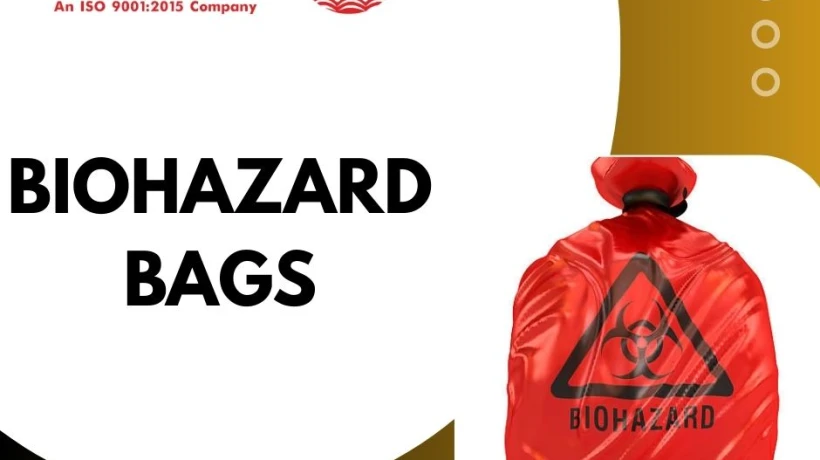
The biohazard bags are specially designed for storage and transportation of infectious waste, contaminated items, and potentially dangerous biological agents that could harm public health. The biohazard bags are needed because these materials can be found in laboratories
The biohazard bags are specially designed for storage and transportation of infectious waste, contaminated items, and potentially dangerous biological agents that could harm public health. The biohazard bags are needed because these materials can be found in laboratories, hospitals, medical facilities, diagnostic centers, and even veterinary facilities where there is a constant possibility of contamination through contact with blood, tissues, bacteria, viruses, and chemicals. Is it not important to avoid the spread of diseases? Yes, but without appropriate packaging, bacteria, viruses, and other harmful substances may get into the air, water, and environment, thus causing epidemics. These bags were specially created to solve the problem of protection by using high-quality HDPE or polypropylene (PP), which are strong and durable.
Color Codes and Symbols Used: Red for Infectious, Yellow for Hazardous
The biohazard waste bags come in a specific color code so that they could be instantly recognizable and segregated. In India and most of the countries, the waste that is contaminated by biological hazards includes gloves, swabs, gauzes, and dressings and it is put in red bags. However, yellow biohazard bags are used for highly hazardous waste including chemical residues, expired medications, and some pathological materials. Is visual differentiation vital for safety? Indeed, mixing different types of waste may cause chemical reaction, fire, and even penalties due to non-compliance. It should be noted that all the biohazard bags contain a universal symbol of biohazards ☣ and warning phrases such as “Infectious Waste,” “Biohazard,” and “Do Not Recycle.” Do all the regions use the same color code? Unfortunately, no; there are countries using orange for infectious waste and yellow for radioactive waste.
Strength of Material: Non-porous, Tear-Resistant, and 4-6 Mil Thick
The construction material of biohazard waste bags is either high-density polyethylene (HDPE) or polypropylene (PP), and the thickness is 4-6 mil to make the bags leak proof and tear-resistant. While for regular infectious waste such as used gloves and swabs, a 4-mil thick HDPE biohazard bag is enough, for sharps like used needles, scalpels, and broken glasses, a 6 mil thick tear-resistant biohazard bag is needed with reinforced bottoms and gussets. Is strength non-negotiable for biohazard waste bags? Of course it is! Bags that aren't strong enough will tear when exposed to sharp objects, thus letting the pathogens out into the surroundings and infecting the workers handling the bags. Quality biohazard waste bags come with sealing solutions: ties (double sealed 5 cm apart), zip lock sealers, or heat seals (at 180-200 degree Celsius for permanent seal). Will the heat seal damage the bag? Only if the temperature settings are not according to manufacturer specifications and cause weak seals and burns.
Biohazard bags must be marked with the collection date, waste category (‘Infectious’ or ‘Hazardous’), name of the institution, department and name of the collector. Storage period should not exceed 72 hours at a moderate temperature to avoid microorganism growth and odor build-up. Isn’t compliance necessary to evade punishment? Yes—non-compliant institutions get fined, shutdown or even endanger public health. Final Disposal will vary depending on regulations: incineration for infectious and pathological waste, autoclaving for sterilizable waste and chemical treatment for some hazardous waste. Are all bags EN13432-compliant? Not all—are only medical grade bags compliant to EN13432 leak and strength test. In other words, the result is a legally safe and environmentally responsible biomedical waste chain from its creation until final disposal. This is the reason hospitals buy EN13432-certified biohazard bags.
Proper Procedures: Inspect, Two Thirds Filling, Seal Twice, Store Apart
Prior to usage, each biohazard bag should be checked for any tears, punctures, weakness or fading—bags that have flaws should be disposed of right away. While filling, over-filling should be avoided, and the recommended level is up to two thirds to ensure proper sealing without stretching and tearing of the bag. While filling, proper personal protective equipment should be worn: gloves, face mask and laboratory gown to prevent direct contact with the dangerous organisms. After filling, proper sealing is required: tying two knots with 5 cm space between them for double seal, closing zips properly and pressing, and heat sealing with 180-200 degrees C temperature for permanent seal. Upon sealing, labeling and transportation to the biohazard storage should follow—they are well ventilated, locked rooms, with biohazard warnings and separate from general trash storage. Isn’t this procedure very important for your safety? Indeed—it results in leakage, exposure or regulatory violation otherwise.
Applications: Hospitals, Labs, Pharma, Veterinary, and Disaster Response
Biohazard bags are employed for diverse chemicals, infectious clinical waste, pharmaceutical wastes, and contaminated animal tissues in various industries. Hospitals use them for blood-stained bandages, syringes, contaminated dressings, and surgical waste. Pharmaceutical companies dispose of drug waste, expired medicines, and contaminated containers. Veterinary hospitals dispose of animal tissues, infected bandages, and pathological waste. In case of emergency, they are used for contaminated disaster zones and outbreak areas. Don’t you think versatility is an important advantage? Indeed—it is one product to serve in health care, research, industry, and emergencies. But don’t you require various sizes? Indeed—you require small bags (10x15cm) for swabs and vials, medium size (30x40 cm) for general waste, and large (60x90cm) for surgical or bulky waste. You will obtain versatile protection for any infectious and hazardous situation. That’s how biohazard bags are vital for modern waste management.
India Market for Biohazard Trash Bags and Yellow Bag Manufacturer
In India, there is a rise in the production of the biohazard bag owing to the increase in regulatory laws of biomedical waste, infrastructure of healthcare, and laboratory safety. To source, search “Biohazard trash bags factory India” or “Yellow biohazard bags manufacturer.” The manufacturers manufacture red/yellow HDPE/PP bags (4–6 mil), EN13432 certified versions, customized versions, and print biohazard symbol; the suppliers provide prompt delivery and bulk sourcing facility. However, the quality of products varies—there can be thin products without any certification and fast fading ones; there can be high-quality products that are thick, certified, and ultraviolet resistant. Make sure to check thickness, leak tests results, and certification. Some of the trustworthy companies are Singhal Industries Pvt Ltd.
Conclusion
The biohazard bags provide you with all of the above features such as leak prevention, tear resistance, comply with EN13432 and Biomedical Waste Guidelines and keep the worker safe from harmful pathogens. In case you have to look for these types of biohazard bags for your project in India, then use “Biohazard trash bags factory India” or “Yellow biohazard bags manufacturer.” There are many companies in India that manufacture good quality bags, such as Singhal Industries Pvt Ltd.
Frequently Asked Questions
Question 1. Which thickness would you recommend for sharps and infectious wastes?
Four mil thick HDPE would suffice for infectious wastes. Use 6 mil bags that are puncture resistant with reinforced bottom for sharps.
Question 2. How long may the biohazard bags be stored before disposal?
The storage period must not exceed 72 hours in moderate climatic conditions. Longer storage requires cooling of the contents or immediate incineration.
Q3. What type of closures are best for biohazard bags?
Tie closure (double sealed), zipper (pressed down) and heat-seal (180–200° C) closures can be used. Heat-sealing provides permanent, watertight sealing of contents.
Q 4. Are all red bags biohazard bags?
No, because although the color red shows biohazard in India, all red bags are not certified. Certified and printed symbol bags only can be considered biohazard bags.
Q5. Who is the largest suppliers of Biohazard Bags?
There is no mention of the name of a largest supplier of biohazard bags anywhere in any report in the world. There are some large medical plastic companies operating in the Asia, European and North American regions. In India, there is no information available on who is the largest supplier of biohazard bags; but Singhal Industries Pvt Ltd is one of the suppliers.


Comments
Login to Comment