Big update now aadhaar is not valid as date of birth
28 Apr, 2026
1957 Views 0 Like(s)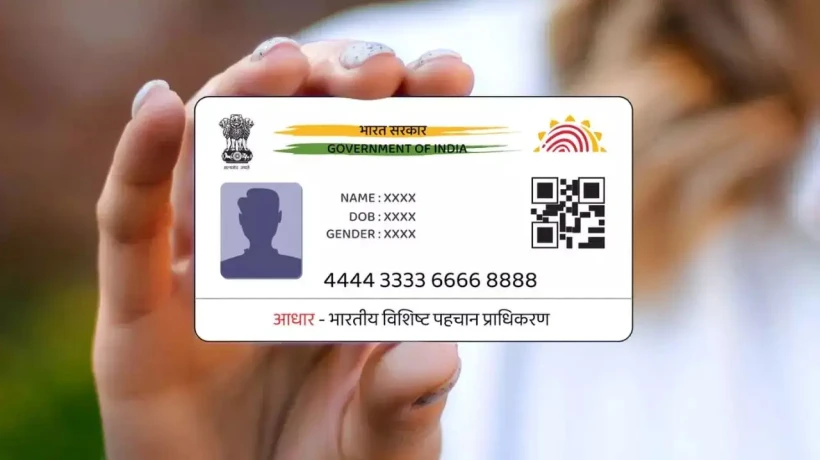
Big update now aadhaar is not valid as date of birth
In a significant administrative update, authorities have clarified that the Aadhaar card will no longer be accepted as a valid standalone proof of date of birth (DoB) for many official purposes. This change has wide-ranging implications for citizens who have long relied on Aadhaar as a primary identity document for everything from school admissions to government services. Understanding what this update means—and how to prepare for it—is now essential.
Aadhaar, issued by the Unique Identification Authority of India (UIDAI), has been one of the most widely used identity documents in the country. It contains basic demographic details such as name, address, and date of birth, along with biometric data. However, the accuracy of the date of birth on Aadhaar depends largely on the documents submitted at the time of enrollment. In many cases, especially older enrollments, the date of birth was self-declared or approximated, which raises concerns about its reliability as a verified proof.
Due to these inconsistencies, several government bodies and institutions have started reconsidering Aadhaar’s role as a valid proof of date of birth. Instead, they are emphasizing documents that are issued based on more stringent verification processes. These include birth certificates issued by municipal authorities, Class 10 mark sheets from recognized boards, passports, and PAN cards in certain contexts.
The move is aimed at improving accuracy in official records and reducing the chances of fraud or discrepancies. For instance, in competitive exams, recruitment processes, and legal matters, even a small mismatch in date of birth can lead to complications or disqualification. By standardizing the list of acceptable documents, authorities hope to create a more reliable system for identity verification.
For citizens, this means a shift in how they manage and present their documents. If you have been using Aadhaar as your primary proof of age, it is now important to ensure you have alternative documents ready. A birth certificate is considered the most authoritative proof, but if you don’t have one, other documents like school certificates or passports can serve as valid substitutes depending on the requirement.
This update also highlights the importance of keeping your documents consistent and up to date. Mismatched information across different IDs can create unnecessary hurdles. For example, if your Aadhaar shows a different date of birth than your school certificate, it’s advisable to correct the discrepancy as soon as possible. UIDAI does allow updates to Aadhaar details, but supporting documents are required to make such changes.
Another important aspect of this development is awareness. Many people, especially in rural areas, may not immediately know about this change and could face issues when their Aadhaar is rejected as proof of age. Government agencies and service providers are expected to spread awareness, but individuals should also take proactive steps to stay informed.
It’s worth noting that Aadhaar remains a valid proof of identity and address in most situations. This update does not diminish its overall importance but rather limits its use in a specific context—proof of date of birth. So, there is no need to panic or discontinue its use altogether. Instead, think of it as part of a broader set of documents you may need to present depending on the situation.
For students, job seekers, and individuals applying for government schemes, this change is particularly relevant. Many application processes require strict documentation, and relying solely on Aadhaar could lead to delays or rejections. Keeping a folder—physical or digital—of all essential documents can save time and stress.
In conclusion, the decision to not accept Aadhaar as a valid proof of date of birth in certain cases is a step toward improving data accuracy and administrative efficiency. While it may require some adjustment, it ultimately benefits both individuals and institutions by reducing errors and disputes. The key takeaway is simple: don’t rely on a single document for everything. Diversify your documentation, verify your details, and stay prepared for evolving requirements.


Comments
Login to Comment