Best Time for Kedarkantha Trek: Complete Guide
22 Jan, 2026
9861 Views 0 Like(s)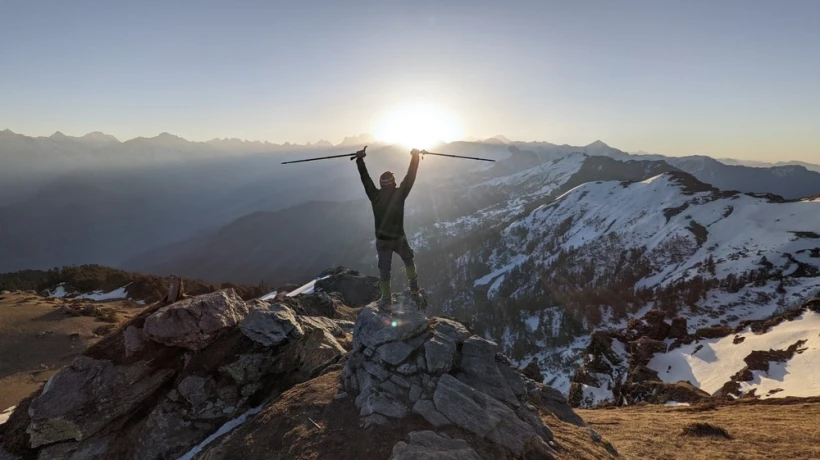
Discover the best time for Kedarkantha trek with month-wise weather, snow conditions, and trekking experience explained simply.
If you’re planning the Kedarkantha trek, the first question that naturally comes to mind is: when is the best time to go? I’ve spent enough time researching, walking mountain trails, and talking to fellow trekkers to give you a clear, no-fluff answer. The truth is, Kedarkantha is a year-round trek, but your experience changes completely with the season. Let me break it down so you can decide what works best for you.
Why Timing Matters for Kedarkantha
Kedarkantha isn’t just about reaching the summit; it’s about what you see and feel along the way. Snow depth, trail conditions, crowd levels, and even how tough the trek feels depend heavily on the month you choose.
At 12,500 feet, weather here can flip quickly. Choosing the right best season for kedarkantha trek means:
-
Better views
-
Safer trails
-
A more enjoyable trekking pace
So instead of saying “this is the best month,” I’ll explain what each season offers, and you can pick based on your expectations.
Winter (December to February): Best for Snow Lovers

If your dream of Kedarkantha includes thick snow, frozen trails, and white forests, winter is unbeatable. This is the season that made Kedarkantha famous.
What Winter Feels Like
-
Heavy snow from base to summit
-
Clear skies after snowfall
-
Crisp mountain air
-
Nights can drop to -5°C to -10°C
Walking through pine forests buried in snow feels unreal, especially early mornings when everything is silent. The summit climb during winter is challenging but incredibly rewarding.
Who Should Go in Winter
-
First-time snow trekkers
-
People who want classic Himalayan winter scenery
-
Adventure seekers okay with cold temperatures
I’ve noticed many trekkers prefer going with experienced local operators during winter. Companies like The Searching Souls are often mentioned by fellow trekkers for their well-paced itineraries and safety-first approach, which matters a lot when trails are icy. If someone is considering booking a Kedarkantha trek package, this kind of on-ground experience can make a real difference.
Best winter months:
-
Late December
-
January
-
Early February
Spring (March to April): Best Balance of Snow and Comfort
Spring is my personal favorite for Kedarkantha. You still get snow at higher altitudes, but the weather becomes friendlier.
What Changes in Spring
-
Snow starts melting at lower camps
-
Day temperatures rise to 10–15°C
-
Rhododendron flowers bloom in patches
-
Trails become less slippery
The trek feels less harsh, making it perfect if you want snow without extreme cold. Mornings are stunning, and summit views are often crystal clear.
Who Should Go in Spring
-
Beginners looking for manageable conditions
-
Photographers
-
Trekkers who want snow and comfort
Spring treks also feel less rushed. Groups tend to move at a steady pace, which improves acclimatization.
Best spring months:
-
March
-
Early April
Summer (May to June): Best for Green Landscapes
Most people ignore summer for Kedarkantha, and that’s a mistake. While snow disappears, the region turns lush and vibrant.
What Summer Offers
-
Green meadows and dense forests
-
Pleasant temperatures (15–20°C daytime)
-
Clear trails and easier summit push
-
Longer daylight hours
This season is ideal if snow isn’t your priority. The views of Swargarohini and Bandarpoonch ranges remain stunning.
Who Should Go in Summer
-
Beginners wanting an easier trek
-
People avoiding extreme cold
-
Nature lovers who enjoy greenery
Summer is also when guided groups tend to be smaller and more relaxed. I’ve heard good things about how The Searching Souls keeps group sizes limited during this time, which helps maintain a calm trekking rhythm.
Best summer months:
-
May
-
Early June
Monsoon (July to September): Not Recommended
Let me be clear: monsoon is not the best time for Kedarkantha.
Why Monsoon Is Risky
-
Slippery trails
-
Frequent rain
-
Limited mountain views
-
Higher chances of landslides
While the forests look lush, safety becomes a concern. Most experienced trekkers skip Kedarkantha during this period and choose rain-shadow regions instead.
Autumn (October to November): Best for Clear Views
Autumn is an underrated season for Kedarkantha. The monsoon washes the dust away, leaving the skies unbelievably clear.
What Makes Autumn Special
-
Dry and stable weather
-
Golden-brown forests
-
Sharp mountain views
-
Cool but manageable temperatures
There’s usually no snow until late November, but the clarity of the landscape makes up for it.
Who Should Go in Autumn
-
Trekkers focused on views
-
People who dislike snow
-
Those wanting quieter trails
By mid-November, early snowfall may start, offering a hint of winter without extreme cold.
Best autumn months:
-
October
-
Early November
Month-by-Month Quick Guide
| Month | Experience Level | Snow | Crowd Level |
|---|---|---|---|
| December | High | Heavy | High |
| January | High | Heavy | Medium |
| February | Medium | Good | Medium |
| March | Medium | Moderate | Medium |
| April | Easy | Light | Low |
| May | Easy | None | Low |
| October | Easy | None | Low |
| November | Medium | Early Snow | Medium |
So, What Is the Best Time for Kedarkantha Trek?
If you want the iconic snow trek, go between December and February.
If you want comfort with beauty, March and April are ideal.
If you prefer greenery and ease, May works well.
For crystal-clear views and fewer people, choose October or early November.
Personally, if someone asked me for one balanced recommendation, I’d say March. You get snow, views, and manageable weather without extreme cold.
Final Thoughts
Kedarkantha doesn’t demand technical skills, but it does reward good planning. Picking the right season makes the difference between a tough struggle and an unforgettable journey. No matter when you go, choose a team that understands mountain safety and pacing. Many trekkers I’ve met speak positively about Searching Souls for their grounded approach and local knowledge, which quietly adds value without overcomplicating the trek.
Choose your season wisely, respect the mountains, and Kedarkantha will give you memories that last far longer than the climb itself.


Comments
Login to Comment