Benefits of Early Tongue-Tie Diagnosis in Infants
02 Mar, 2026
6104 Views 0 Like(s)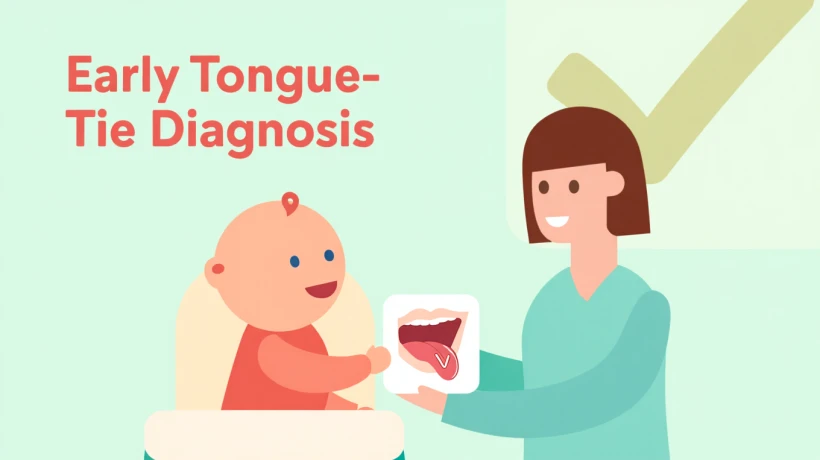
The first weeks of life are essential for feeding, bonding, and healthy development. When an infant struggles with latching, feeding efficiency, or comfort, the underlying cause is not always obvious. One condition that is frequently overlooked is tongue-tie. Identifying tongue-tie early can significantly improve feeding outcomes and reduce unnecessary stress for both babies and parents.
At Alabama Tongue-Tie Center, early diagnosis and focused pediatric care help families address feeding challenges before they turn into long-term concerns.
Understanding Tongue-Tie in Infants
Tongue-tie, also known as ankyloglossia, occurs when the tissue under the tongue restricts its normal movement. The tongue plays a vital role in breastfeeding, bottle-feeding, swallowing, and oral development. When this movement is limited, infants may struggle to feed efficiently, even if everything else appears normal.
Early diagnosis focuses on how the tongue functions, not just how it looks. This functional approach allows professionals to identify restrictions that may otherwise be missed during routine newborn exams.
1. Better Feeding Efficiency from the Start
One of the most important benefits of early tongue-tie diagnosis is improved feeding efficiency. Infants need full tongue mobility to create proper suction and transfer milk effectively.
With early identification:
-
Latching often improves
-
Feeding sessions become shorter and less tiring
-
Milk transfer is more effective
-
Babies feel more satisfied after feeds
Early support helps establish a healthier feeding pattern during a critical stage of growth.
2. Reduced Feeding Stress for Parents
Feeding challenges can be emotionally and physically exhausting for parents. Ongoing latch issues, prolonged feeds, or unexplained discomfort can quickly lead to frustration and anxiety.
An early tongue-tie diagnosis:
-
Provides clear answers instead of guesswork
-
Helps parents understand the root cause of feeding problems
-
Reduces unnecessary trial-and-error solutions
Working with a Tongue Tie Surgery Specialist within a professional pediatrics setting allows families to feel confident and supported in their care decisions.
3. Support for Healthy Weight Gain and Growth
Efficient feeding is essential for healthy weight gain in infancy. Babies with untreated tongue-tie may burn more energy feeding than they receive, which can affect growth patterns over time.
Early diagnosis supports:
-
Consistent nutritional intake
-
Healthy weight gain
-
Improved feeding endurance
-
Better overall infant comfort
Addressing tongue-tie early helps ensure babies receive the nourishment they need during a critical growth phase.
4. Fewer Secondary Feeding-Related Issues
When tongue-tie goes undiagnosed, infants may develop symptoms such as reflux-like behavior, excessive gas, frequent spit-up, or prolonged feeding times. These symptoms are often treated individually without identifying the underlying cause.
Early evaluation can reduce the likelihood of:
-
Persistent feeding discomfort
-
Repeated changes in feeding methods
-
Ongoing infant fussiness
-
Parental exhaustion
By identifying tongue-tie early, care can be more focused and effective.
5. Easier Treatment During Infancy
From a clinical perspective, treatment for tongue-tie is often more straightforward in infancy. Early diagnosis allows families to explore timely intervention when healing is typically faster and adaptation is easier for the baby.
Care is commonly guided by experienced providers such as Dr. Richard Baxter, whose work emphasizes precise evaluation and gentle, evidence-based treatment approaches.
6. Support for Long-Term Oral Function
The tongue influences more than feeding alone. It plays an important role in swallowing patterns, oral posture, and overall oral function as a child grows.
Early tongue-tie diagnosis can help:
-
Promote normal oral movement patterns
-
Reduce compensatory habits
-
Support healthy oral development over time
Monitoring and addressing tongue function early helps lay the foundation for long-term oral health.
7. Clear Answers and Peace of Mind
Perhaps one of the most valuable benefits of early diagnosis is clarity. Parents gain a better understanding of their baby’s feeding challenges and a clear path forward.
Early evaluation offers:
-
Reassurance through professional assessment
-
Personalized guidance based on the infant’s needs
-
Confidence in care decisions
This clarity allows families to focus on bonding and growth rather than ongoing feeding concerns.
Final Thoughts
Early tongue-tie diagnosis in infants can make a meaningful difference in feeding success, comfort, and overall development. By identifying tongue-tie during infancy, families can address challenges promptly and support healthy feeding from the very beginning.
If feeding concerns persist or something doesn’t feel right, seeking evaluation from a trusted pediatric tongue-tie specialist can provide answers and timely support. Early care can help create a smoother, more confident start for both baby and family.



Comments
Login to Comment