Atlas Mountains Uncovered: Morocco’s Most Breathtaking Landscapes
23 Jun, 2026
1178 Views 0 Like(s)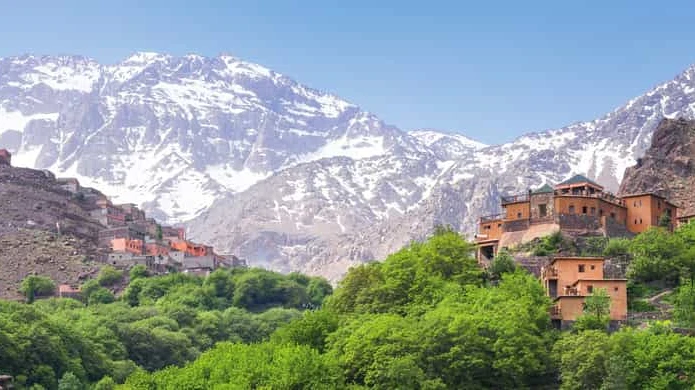
Stretching across North Africa, the Atlas Mountains in Morocco are among the most spectacular natural wonders on the continent.
Stretching across North Africa, the Atlas Mountains in Morocco are among the most spectacular natural wonders on the continent. These rugged peaks, deep valleys, and ancient villages create a landscape that feels untouched by time.
For travelers seeking adventure, culture, and breathtaking scenery, the atlas mountains morocco region offers an unforgettable experience. From snow-capped summits to lush green valleys, every corner reveals a different side of Morocco’s natural beauty.
The mountain range serves as a dramatic backdrop to the country’s diverse geography and rich heritage. Whether you are a hiker, photographer, or cultural explorer, the Atlas Mountains provide endless opportunities to discover some of the most stunning landscapes in the world.
The Geography of a Remarkable Mountain Range
The Atlas Mountains stretch for more than 2,500 kilometers across Morocco, Algeria, and Tunisia. In Morocco, the range is divided into three major sections: the High Atlas, Middle Atlas, and Anti-Atlas. Each region has its own unique terrain and character.
The High Atlas is home to the tallest peaks, including Mount Toubkal, which rises to 4,167 meters above sea level. The Middle Atlas features cedar forests, rolling hills, and picturesque lakes, while the Anti-Atlas showcases dramatic rock formations and arid landscapes.
This incredible geographical diversity makes the mountains one of the country's most fascinating destinations. Visitors can experience snowy mountain passes in winter and warm valleys filled with fruit orchards during the summer months.
Majestic Peaks and Scenic Trails
One of the biggest attractions in the atlas mountains morocco area is its extensive network of hiking trails. These routes range from easy village walks to challenging multi-day treks that cross rugged mountain terrain.
Mount Toubkal attracts thousands of climbers every year. The journey to the summit rewards adventurers with panoramic views stretching across valleys, deserts, and distant peaks. Along the way, hikers encounter traditional Berber settlements that have preserved their customs for generations.
For those seeking less demanding adventures, countless trails wind through green valleys and terraced fields. These paths allow travelers to enjoy the region’s beauty at a relaxed pace while experiencing local hospitality.
The Beauty of Berber Villages
Scattered throughout the mountains are charming Berber villages built from stone and clay. These settlements blend seamlessly into the surrounding landscape and provide a glimpse into a traditional way of life.
Residents have adapted to the challenging mountain environment through centuries of agricultural practices. Terraced farming, irrigation channels, and community cooperation remain central to daily life.
Visitors are often welcomed with warm hospitality and traditional mint tea. Exploring these villages offers valuable insight into Morocco’s cultural heritage and creates meaningful connections with local communities. The simplicity and authenticity of village life remain among the most memorable aspects of a mountain journey.
Valleys Filled with Natural Wonders
The valleys nestled between the mountains are among the region’s greatest treasures. Fertile soil and abundant water sources support lush vegetation, fruit orchards, and colorful gardens.
The Ourika Valley is particularly popular for its waterfalls, rivers, and scenic landscapes. Visitors can enjoy leisurely walks along riverbanks while taking in spectacular views of surrounding peaks. Other valleys feature hidden trails, peaceful picnic spots, and traditional markets that showcase local crafts and produce.
Throughout the year, changing seasons transform these landscapes. Spring brings vibrant wildflowers, while autumn paints the valleys with rich shades of gold and orange.
Wildlife and Biodiversity
The Atlas Mountains support a diverse range of wildlife and plant species. Cedar forests, oak woodlands, and alpine meadows create habitats for numerous animals and birds.
Among the most notable residents are Barbary macaques, which can often be seen in forested areas. Birdwatchers may encounter eagles, falcons, and other species soaring above the mountains. The region also contains many rare and endemic plants that thrive in its unique climate.
Conservation efforts are helping protect these ecosystems and ensure that future generations can continue to enjoy their natural beauty. Responsible tourism plays an important role in preserving the delicate balance between human activity and environmental sustainability.
A Photographer’s Paradise
For photography enthusiasts, the atlas mountains morocco landscape offers endless inspiration. The combination of dramatic peaks, traditional architecture, and ever-changing light creates remarkable opportunities for capturing unforgettable images.
Sunrise and sunset are particularly magical times in the mountains. Golden light illuminates rocky cliffs and village rooftops, creating stunning contrasts and vibrant colors. During winter, snow-covered peaks provide a striking backdrop against clear blue skies.
Every season reveals new perspectives and moods, making the region a destination photographers return to again and again.
Adventure Beyond Hiking
While trekking is one of the most popular activities, the mountains offer many other adventures. Mountain biking routes traverse rugged trails and scenic passes, providing exciting challenges for outdoor enthusiasts.
Rock climbing opportunities abound on cliffs and rocky formations. During the winter months, certain areas even offer skiing and snowboarding experiences. River excursions and cultural tours add further variety to the range of activities available.
These diverse experiences make the mountains appealing to travelers with different interests and skill levels. Whether seeking adrenaline or relaxation, visitors can find activities that suit their preferences.
The Best Time to Visit
The ideal time to explore the atlas mountains morocco region depends on the type of experience desired. Spring and autumn are generally considered the most comfortable seasons, offering mild temperatures and clear skies.
Summer is excellent for high-altitude trekking, although lower valleys can become quite warm. Winter brings snow to higher elevations, creating beautiful scenery and opportunities for winter sports.
Regardless of the season, visitors should prepare for rapidly changing mountain weather. Proper clothing and planning help ensure a safe and enjoyable journey.
Conclusion
The Atlas Mountains represent one of Morocco’s most extraordinary natural destinations. Their towering peaks, picturesque valleys, rich biodiversity, and vibrant cultural heritage create an experience unlike any other. Travelers who venture into this remarkable region discover far more than scenic landscapes—they encounter living traditions, welcoming communities, and unforgettable adventures.



Comments
Login to Comment