Are Soft Dog Treats Good for Dogs? Benefits Every Owner Should Know
29 Apr, 2026
1977 Views 0 Like(s)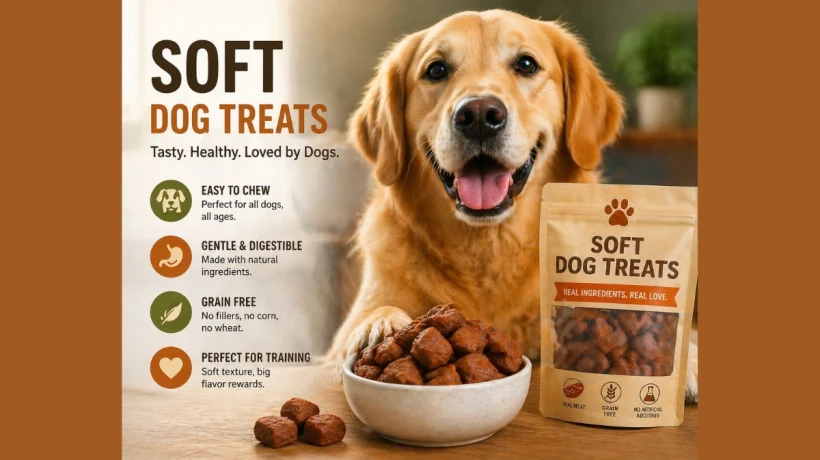
Are soft dog treats good for dogs? Discover benefits, uses, and tips for choosing healthy options every pet owner should know for better care.
Dogs love treats, but not all treats are created equal. Many pet parents today are choosing soft dog treats because they are easier to chew, gentler on teeth, and perfect for daily rewards and training. Whether you have a playful puppy, a senior dog, or a pet with sensitive teeth, soft treats can make snack time enjoyable and healthy.
But are they really good for dogs? Yes — when chosen carefully, soft treats for dogs can provide several benefits, including easier chewing, better digestion, and improved training results. In this guide, you’ll learn why dogs love soft treats, their biggest health benefits, and how to choose the healthiest options for your furry friend.
Why Dogs Prefer Soft Dog Treats
Most dogs enjoy treats with a soft and chewy texture because they are easy to bite and full of flavor. Unlike hard biscuits, Chewy dog treats can be eaten quickly without causing discomfort.
Soft treats are especially useful for:
-
Puppies with developing teeth
-
Senior dogs with dental problems
-
Small breeds with delicate jaws
-
Dogs recovering from surgery
-
Picky eaters who dislike crunchy snacks
Their soft texture also releases flavor faster, making them highly appealing to dogs of all ages.
Top Benefits of Soft Dog Treats
Easier on Teeth and Gums
One of the biggest benefits of soft dog treats is that they are gentle on your dog’s mouth. Hard treats may sometimes crack weak teeth or irritate sensitive gums, while soft treats reduce discomfort and are much easier to chew.
Senior dogs especially benefit from chewy treats for dogs because aging often causes gum sensitivity and tooth loss.
Perfect for Dog Training
Professional trainers often use Chewy dog treats because dogs can eat them quickly and stay focused during training sessions. Hard treats take longer to chew and may distract dogs from learning commands.
Soft treats work perfectly for:
-
Potty training
-
Obedience training
-
Crate training
-
Agility practice
-
Positive reinforcement
Quick rewards help dogs connect good behavior with treats immediately.
Great for Senior Dogs
Older dogs may struggle to chew crunchy snacks. Soft treats for dogs provide a safer and more comfortable option for aging pets.
Many soft treats are also enriched with ingredients that support senior dog health, such as:
-
Glucosamine for joints
-
Omega fatty acids for skin and coat
-
Vitamins and minerals
-
Easy-to-digest proteins
This makes them both delicious and beneficial for older dogs.
Helpful for Sensitive Stomachs
Many premium soft dog treats are made with natural and limited ingredients, making them easier to digest. Dogs with food sensitivities often tolerate soft treats better than heavily processed crunchy snacks.
Look for treats that include:
-
Real meat as the first ingredient
-
Natural preservatives
-
Grain-free recipes if needed
-
No artificial flavors or colors
Healthy ingredients can help reduce digestive discomfort while still keeping your dog happy.
More Appealing for Picky Eaters
Some dogs refuse dry biscuits but instantly get excited for chewy treats for dogs. Because soft treats contain more moisture, they often have a stronger smell and richer flavor.
This makes them ideal for:
-
Picky eaters
-
Sick or recovering dogs
-
Dogs with reduced appetite
-
Reward-based feeding
Even selective dogs often enjoy the texture and taste of soft treats.
How to Choose the Best Soft Dog Treats
Not every treat labeled “soft” is healthy. Choosing high-quality soft dog treats is important for your dog’s health and nutrition.
Read the Ingredient List
The best treats should contain:
-
Real chicken, beef, salmon, or lamb
-
Natural fruits and vegetables
-
Healthy oils and nutrients
-
Minimal fillers
Avoid treats with:
-
Artificial preservatives
-
Excess sugar
-
Corn syrup
-
Artificial dyes
Natural ingredients are always the better option for long-term health.
Pick the Right Size
Treat size matters. Small dogs need smaller treats, while large breeds may prefer larger pieces.
Small treats are best for:
-
Training sessions
-
Puppies
-
Toy breeds
Larger treats are suitable for:
-
Bigger dogs
-
Longer chewing sessions
-
Special rewards
Match Treats to Your Dog’s Needs
Different dogs have different nutritional needs. Some soft treats for dogs are designed specifically for:
-
Weight management
-
Joint support
-
Skin and coat health
-
Digestive support
-
Dental care
Choose treats based on your dog’s age, breed, and health condition.
Soft Dog Treats vs Hard Treats
Both soft and crunchy treats have advantages. The best option depends on your dog’s needs and preferences.
|
Soft Dog Treats |
Hard Dog Treats |
|
Easier to chew |
Helps clean teeth |
|
Ideal for seniors |
Lasts longer |
|
Great for training |
Better for strong chewers |
|
Gentle on gums |
Crunchy texture |
|
Highly flavorful |
Lower moisture content |
Many pet owners use both types to give their dogs variety.
Are Soft Dog Treats Safe?
Yes, high-quality soft dog treats are safe when fed in moderation. However, giving too many treats can lead to:
-
Weight gain
-
Digestive problems
-
Poor nutrition balance
Veterinarians recommend that treats should only make up about 10% of your dog’s daily calories.
Always supervise your dog while eating treats, especially if they tend to swallow food quickly.
Best Times to Give Soft Dog Treats
You can use Chewy dog treats throughout the day in different ways.
During Training
Soft treats are perfect for quick rewards and positive reinforcement.
As a Daily Snack
A small chewy treat can keep your dog satisfied between meals.
While Traveling
Soft treats are convenient to carry and easy for dogs to eat on the go.
For Giving Medication
Many pet owners hide pills inside soft treats for dogs to make medicine easier to give.
Signs You’re Choosing Healthy Treats
Healthy soft dog treats should improve your dog’s happiness without causing health issues. Positive signs include:
-
Healthy digestion
-
Good energy levels
-
Shiny coat
-
Excitement during treat time
-
No allergic reactions
If your dog develops itching, vomiting, or stomach upset, switch to another formula and consult your veterinarian.
Final Thoughts
So, are soft dog treats good for dogs? Absolutely. They are easy to chew, perfect for training, gentle on sensitive teeth, and highly appealing to picky eaters. High-quality chewy treats for dogs can become a healthy and enjoyable part of your dog’s daily routine when fed responsibly.
The key is choosing natural ingredients, avoiding unhealthy fillers, and giving treats in moderation. Whether you use them for training, rewards, or bonding time, soft treats can help keep your furry friend happy and satisfied.
FAQs
1. Are soft dog treats better than hard treats?
Both have benefits. Soft dog treats are easier to chew and ideal for training, while hard treats may help clean teeth.
2. Can puppies eat soft dog treats?
Yes, puppies usually enjoy soft treats for dogs because they are gentle on developing teeth.
3. Are chewy treats safe for senior dogs?
Yes, chewy treats for dogs are excellent for senior dogs with weak teeth or sensitive gums.
4. How many soft dog treats should I give daily?
Treats should make up no more than 10% of your dog’s daily calorie intake.
5. What ingredients should I avoid in chewy dog treats?
Avoid artificial preservatives, excessive sugar, fillers, and artificial dyes when selecting Chewy dog treats.
Read More: Soft Dog Treats Your Dog Will Go Crazy For
Read More: Soft Dog Treats: The Secret to Happier Training Sessions With Your Dog

Comments
Login to Comment