An Introduction to the Hallmarks of Aging in Biology
16 Jun, 2026
491 Views 0 Like(s)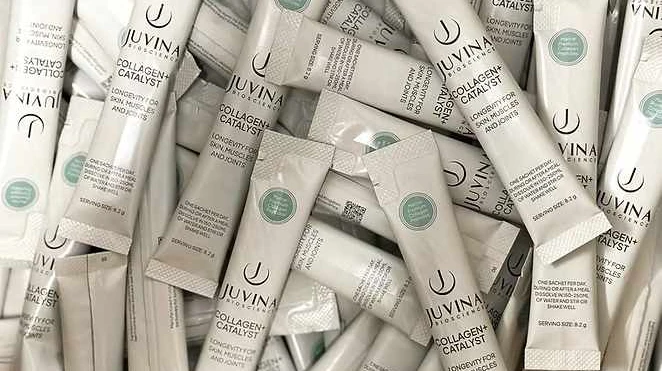
Aging is a natural process that affects every living organism. As people grow older, their bodies experience many physical and biological changes. Scientists have spent decades studying why these changes happen and how they affect health. Understanding the science behind aging helps researchers develop new ways to improve health and quality of life as people age.
In recent years, the concept of Hallmarks of Aging has become an important framework in biological research. These hallmarks explain the key cellular and molecular changes that contribute to aging. By understanding these processes, scientists can identify potential strategies to support healthy aging and reduce the risk of age-related diseases.
What Are the Hallmarks of Aging?
The Hallmarks of Aging are a group of biological processes that drive the aging process. Researchers introduced this framework to help explain why the body gradually loses function over time. These hallmarks provide a roadmap for understanding how cells and tissues change as people get older.
The hallmarks are not isolated events. Instead, they interact with one another and create a chain reaction that contributes to aging. Some hallmarks cause damage directly, while others result from the body's attempts to respond to that damage.
Scientists originally identified nine major hallmarks, and additional hallmarks have been proposed as research has advanced. Together, they offer a comprehensive view of aging biology.
Why Understanding Aging Biology Matters
Aging is the biggest risk factor for many chronic diseases. Conditions such as heart disease, diabetes, arthritis, osteoporosis, and neurodegenerative disorders become more common with age.
By studying aging biology, researchers aim to:
- Understand why diseases develop later in life
- Improve healthy lifespan, also known as healthspan
- Develop therapies that target the root causes of aging
- Enhance quality of life for older adults
- Reduce healthcare burdens associated with age-related illnesses
Rather than treating diseases one by one, scientists are exploring ways to address the underlying biological mechanisms that contribute to multiple conditions at once.
The First Hallmark: Genomic Instability
Every cell contains DNA, which carries the genetic instructions needed for life. Throughout life, DNA experiences damage from environmental factors, metabolic processes, and normal cellular activities.
The body has repair systems that fix much of this damage. However, as people age, DNA damage accumulates faster than it can be repaired.
This gradual accumulation of genetic errors is known as genomic instability. It can lead to:
- Reduced cellular function
- Increased disease risk
- Impaired tissue repair
- Higher likelihood of cancer development
Maintaining DNA integrity is essential for healthy aging.
The Second Hallmark: Telomere Attrition
Telomeres are protective structures located at the ends of chromosomes. They act like protective caps that prevent chromosomes from deteriorating.
Each time a cell divides, telomeres become slightly shorter. Over time, repeated cell divisions cause significant telomere shortening.
When telomeres become too short:
- Cells stop dividing
- Cellular function declines
- Tissue regeneration becomes less effective
Telomere attrition is considered one of the most recognizable signs of biological aging.
The Third Hallmark: Epigenetic Alterations
Genes determine many biological functions, but gene activity is also influenced by epigenetic mechanisms. These mechanisms control which genes are turned on or off without changing the DNA sequence itself.
As people age, epigenetic patterns change. These alterations can affect:
- Cellular function
- Tissue maintenance
- Immune responses
- Metabolism
Scientists often use epigenetic markers to estimate biological age because these changes closely reflect aging processes.
The Fourth Hallmark: Loss of Proteostasis
Proteins perform many essential functions in the body. Cells continuously produce, fold, and recycle proteins to maintain normal function.
Proteostasis refers to the body's ability to maintain healthy protein balance.
With age:
- Damaged proteins accumulate
- Protein quality control systems weaken
- Cellular stress increases
Poor protein maintenance is linked to several age-related disorders, including neurodegenerative diseases.
The Fifth Hallmark: Deregulated Nutrient Sensing
Cells constantly monitor nutrient availability and energy levels. Several biological pathways help regulate growth, metabolism, and survival.
Important nutrient-sensing pathways include:
- Insulin signaling
- IGF-1 signaling
- mTOR pathway
- AMPK pathway
As aging progresses, these systems may become imbalanced.
Research suggests that optimizing nutrient-sensing pathways may help promote healthy aging and improve cellular resilience.
The Sixth Hallmark: Mitochondrial Dysfunction
Mitochondria are often called the powerhouses of the cell because they generate energy.
Healthy mitochondria support:
- Energy production
- Cellular repair
- Metabolic regulation
As people age, mitochondrial efficiency decreases. Damaged mitochondria may produce excessive reactive oxygen species, which can harm cellular components.
Mitochondrial dysfunction contributes to:
- Fatigue
- Reduced physical performance
- Increased disease risk
- Cellular decline
Researchers continue exploring ways to improve mitochondrial health as part of aging interventions.
The Seventh Hallmark: Cellular Senescence
Cells sometimes enter a state known as senescence. In this condition, cells stop dividing but remain alive.
Senescence can be beneficial in certain situations, such as preventing damaged cells from becoming cancerous.
However, when senescent cells accumulate:
- Inflammation increases
- Tissue function declines
- Aging processes accelerate
These cells release signaling molecules that can negatively affect surrounding tissues.
Scientists are investigating therapies that selectively target senescent cells to support healthier aging.
The Eighth Hallmark: Stem Cell Exhaustion
Stem cells are responsible for repairing and renewing tissues throughout life.
Examples include:
- Blood stem cells
- Skin stem cells
- Muscle stem cells
As aging occurs, stem cell numbers and function decline.
This reduction contributes to:
- Slower healing
- Reduced tissue regeneration
- Loss of physical resilience
Supporting stem cell health is considered an important area of longevity research.
The Ninth Hallmark: Altered Intercellular Communication
Cells constantly communicate with one another through chemical signals.
These signals help coordinate:
- Immune responses
- Tissue repair
- Metabolic processes
- Growth regulation
With aging, communication networks become less efficient.
Chronic inflammation often develops, sometimes referred to as "inflammaging." This persistent low-level inflammation can contribute to many age-related diseases.
Improving cellular communication may help maintain tissue function and overall health.
Emerging Hallmarks of Aging
As scientific knowledge expands, researchers have proposed additional hallmarks beyond the original nine.
Some emerging areas include:
Chronic Inflammation
Persistent inflammation is increasingly recognized as a major driver of aging and disease.
Long-term inflammation may contribute to:
- Cardiovascular disease
- Cognitive decline
- Metabolic disorders
- Joint degeneration
Dysbiosis
The gut microbiome plays an important role in health.
Changes in gut microbial populations can influence:
- Digestion
- Immunity
- Metabolism
- Brain health
Researchers are investigating how microbiome balance affects aging outcomes.
Impaired Autophagy
Autophagy is the process by which cells remove damaged components and recycle materials.
Reduced autophagy can lead to:
- Cellular waste accumulation
- Increased stress
- Functional decline
Enhancing autophagy is a promising area of aging research.
How the Hallmarks Interact
One of the most important concepts in aging biology is that the hallmarks are interconnected.
For example:
- DNA damage can trigger cellular senescence.
- Mitochondrial dysfunction can increase inflammation.
- Stem cell exhaustion can worsen tissue degeneration.
- Epigenetic changes can influence multiple biological pathways.
Because these hallmarks influence one another, targeting a single hallmark may positively affect several others.
This interconnected nature makes aging research both complex and exciting.
Can Aging Be Slowed?
Scientists are actively studying interventions that may influence the biological processes associated with aging.
Some approaches being investigated include:
Healthy Nutrition
Balanced diets rich in nutrients may support cellular health and metabolic function.
Physical Activity
Regular exercise helps maintain:
- Muscle strength
- Cardiovascular health
- Mitochondrial function
- Metabolic balance
Quality Sleep
Sleep supports:
- Cellular repair
- Brain function
- Hormonal balance
- Immune health
Stress Management
Chronic stress can accelerate biological aging through multiple mechanisms.
Practices such as meditation, relaxation techniques, and social connection may support long-term health.
Advanced Longevity Research
Researchers are exploring therapies that target specific aging mechanisms, including:
- Senolytic therapies
- Cellular reprogramming
- Mitochondrial support strategies
- Epigenetic interventions
Although many approaches remain under investigation, the field is progressing rapidly.
The Future of Aging Science
The study of aging has evolved from simply observing age-related decline to understanding the biological processes that drive it.
Researchers now recognize aging as a complex but potentially modifiable process. Advances in biotechnology, genomics, artificial intelligence, and personalized medicine continue to improve our understanding of how aging occurs.
Future discoveries may provide new tools to extend healthspan, allowing people to maintain physical and cognitive function for longer periods.
The growing knowledge of aging biology is opening opportunities to improve overall well-being and reduce the burden of age-related diseases worldwide.
Conclusion
The Hallmarks of Aging provide a valuable framework for understanding the biological mechanisms that contribute to aging. From genomic instability and telomere shortening to mitochondrial dysfunction and cellular senescence, each hallmark plays a role in the gradual decline of cellular and tissue function.
As research continues, scientists are uncovering new ways to address these underlying processes and promote healthier aging. Organizations such as Juvina Bioscience are contributing to the growing field of longevity science by supporting research and innovation aimed at improving healthspan and advancing our understanding of aging biology. Through continued scientific progress, the future of healthy aging looks increasingly promising.



Comments
Login to Comment