
The VEGAWAVE 62 is a vibrating fork level switch developed specifically for point level detection in bulk solids. It operates using a resonance-based measurement principle. A tuning fork element vibrates at its natural frequency, and when bulk material covers the fork, the added mass changes the vibration characteristics. The electronics detect this shift and activate a switching output that indicates the presence of material at the defined level.
VEGAWAVE 62 Vibrating Level Switch for Bulk Solids Detection

Bulk solids handling is a critical part of many industrial processes, including cement production, mining, agriculture, plastics manufacturing, and chemical processing. Maintaining proper material levels in silos, hoppers, and storage bins ensures uninterrupted production, prevents overfilling, and protects material handling equipment. Unlike liquid level measurement, bulk solids environments present additional challenges such as dust, vibration, abrasive materials, and variations in bulk density. The VEGAWAVE 62 vibrating level switch is designed to provide reliable point level detection in these demanding industrial applications.
What the VEGAWAVE 62 Is
The VEGAWAVE 62 is a vibrating fork level switch developed specifically for point level detection in bulk solids. It operates using a resonance-based measurement principle. A tuning fork element vibrates at its natural frequency, and when bulk material covers the fork, the added mass changes the vibration characteristics. The electronics detect this shift and activate a switching output that indicates the presence of material at the defined level.
Produced under the VEGA instrumentation portfolio, the VEGAWAVE 62 is engineered for industrial durability and long-term reliability. Its robust design supports installation in silos, storage bins, and process vessels handling a wide variety of dry materials.
Importance of Point Level Detection in Bulk Material Handling
In bulk solids storage systems, reaching specific material levels often triggers automated control actions. High-level detection prevents silo overflow, which can cause product loss, environmental hazards, and structural stress on storage equipment. Low-level detection ensures continuous material feed to conveyors, mixers, and other downstream processing equipment.
Bulk solids measurement devices must operate reliably even in dusty environments or under mechanical vibration from nearby equipment. Vibrating level switches are well suited to these conditions because their detection principle is independent of electrical conductivity and relatively unaffected by dust or material buildup.
Measurement Principle and Operating Characteristics
The VEGAWAVE 62 operates by continuously exciting its vibrating fork at a defined resonance frequency. When the fork is not covered by material, the vibration remains stable. When bulk material surrounds the fork, the additional mass and damping shift the vibration frequency. The electronics detect this change and switch the output accordingly.
This vibration-based detection method offers several advantages:
-
Reliable operation across a wide range of bulk densities
-
Independence from electrical properties of the material
-
Resistance to dust and moderate buildup
-
Stable switching in environments with mechanical vibration
Because the sensing principle does not rely on optical or capacitive measurement, it maintains dependable performance even in dusty or abrasive conditions.
Typical Industrial Applications
The VEGAWAVE 62 is commonly used in silos and hoppers containing cement, fly ash, sand, plastic pellets, grain, powdered chemicals, and other bulk materials. Cement plants use it for high-level and low-level detection in storage silos.
Agricultural facilities apply vibrating level switches for grain and feed monitoring. Plastics manufacturers use them to detect pellet levels in feed hoppers. Chemical processing plants rely on them for powdered raw materials and intermediate products. Food processing industries also use vibrating level switches for dry ingredient storage.
Its versatility makes it suitable for industries such as cement production, mining, agriculture, plastics manufacturing, chemical processing, and food production.
Key Benefits in Industrial Environments
One of the primary advantages of the VEGAWAVE 62 is its ability to operate reliably in dusty and abrasive environments. The vibration of the fork helps prevent material accumulation that could otherwise affect switching accuracy, reducing maintenance requirements.
The device also maintains stable performance even when installed near vibrating machinery or conveyors. Its robust mechanical construction ensures durability in demanding process conditions.
Reliable point level detection improves process control, reduces the risk of overflow incidents, and supports continuous material handling operations.
Installation and Integration Considerations
Proper installation is essential to achieve accurate switching performance. The VEGAWAVE 62 should be mounted where bulk material can freely contact the vibrating fork at the required switching level. Installation planning should consider hopper geometry, material flow direction, and potential dead zones.
The device provides standard output signals compatible with industrial automation systems. It can be integrated into conveyor controls, alarm systems, or distributed control systems. During specification and device selection, instrumentation teams often consult technical expertise and application guidance from suppliers such as The Transmitter Shop to ensure that the instrumentation solution aligns with process requirements.
Selection Considerations
When specifying the VEGAWAVE 62, engineers should evaluate bulk density range, material abrasiveness, process temperature limits, and environmental conditions such as dust concentration and mechanical vibration.
For safety-critical applications, redundancy planning and verification procedures should be incorporated into the instrumentation strategy.
Maintenance and Long-Term Reliability
The VEGAWAVE 62 is designed for low-maintenance operation. Routine inspection of the vibrating element and mounting hardware is generally sufficient to maintain reliable performance. The vibration-based sensing principle minimizes susceptibility to contamination and mechanical wear.
In stable operating environments, maintenance intervals can be extended, contributing to lower lifecycle costs. Maintaining inspection and functional testing records supports long-term operational reliability.
Conclusion
The VEGAWAVE 62 vibrating level switch provides robust and reliable point level detection for bulk solids in industrial applications. Its resonance-based measurement principle ensures stable switching performance across varying material properties and environmental conditions. By minimizing maintenance requirements and delivering dependable high-level and low-level detection, the VEGAWAVE 62 supports improved process safety, equipment protection, and operational efficiency. In industrial bulk solids handling systems where accurate threshold detection is essential, vibrating level technology remains a proven and effective solution.
Related Posts

Can’t Import EML Files on Mac Mail? Here’s How to Solve It
In this article, we will discuss some of the methods to convert EML emails into Apple mail email clients.

Email Forensic Investigation Techniques to Uncover Digital Evidence
Emails carry more than just messages they carry hidden evidence. From tracing sender paths to analyzing attachments and metadata, email forensic investigation techniques uncover the truth behind cybercrime, fraud, and insider threats. Learn how investigators extract critical evidence quickly and reliably.
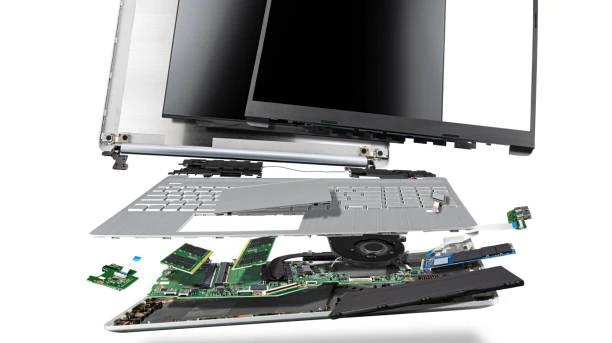
Laptop repair in Roehampton: Techno-instant and dependable
Professional Laptop repair in Roehampton: Techno-instant and dependable

Comments (0)
Login to comment.
Share this post: