The Growing Use of Fabric Structures in Modern Architecture
06 Mar, 2026
4453 Views 0 Like(s)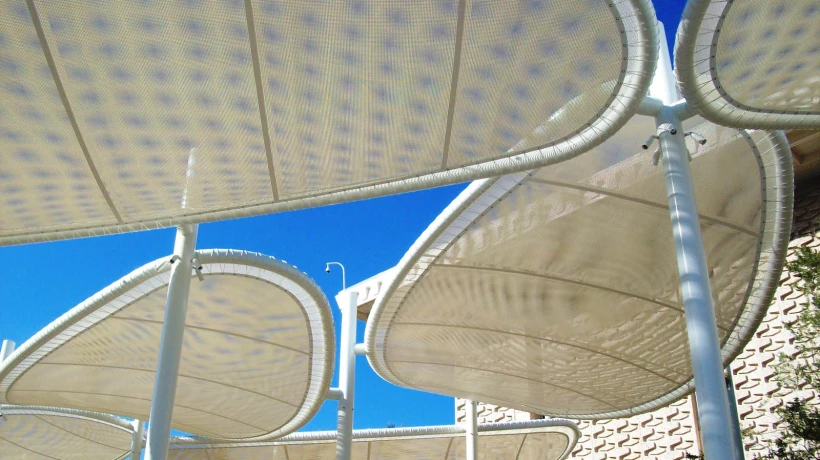
Modern architecture is constantly evolving as architects and engineers look for innovative materials that combine aesthetics, efficiency, and sustainability.
Modern architecture is constantly evolving as architects and engineers look for innovative materials that combine aesthetics, efficiency, and sustainability. Over the past decade, fabric structures have become an increasingly popular solution in architectural design. These structures offer flexibility, lightweight construction, and visually striking forms that traditional building materials often struggle to achieve.
From sports stadiums and transportation hubs to commercial complexes and public spaces, fabric structures are transforming the architectural landscape. They allow designers to create wide, open spaces without the need for excessive support columns while maintaining structural stability and durability. As cities continue to expand and architectural expectations grow, fabric structures are emerging as a smart and efficient alternative to conventional construction methods.
Understanding Fabric Structures
Fabric structures are architectural systems that use specially engineered fabric membranes as a primary building component. These membranes are typically stretched over steel frames or cable systems, creating tension-based structures that maintain their shape and strength.
Unlike traditional construction materials such as concrete or brick, fabric structures rely on tension rather than compression. This engineering principle allows architects to design large-span roofs and visually appealing curved shapes that would otherwise require complex structural support.
Modern fabric membranes are made using advanced materials designed to withstand harsh environmental conditions, including heavy wind, rain, and sunlight. Because of these technological improvements, fabric structures are now widely used for both temporary and permanent buildings.
Companies such as servinsky are contributing to the advancement of tensile architecture by developing innovative fabric structure systems that combine engineering precision with modern architectural design.
Why Fabric Structures Are Gaining Popularity
Several factors explain why fabric structures are becoming more common in modern architecture. Their combination of performance, cost efficiency, and design flexibility makes them an appealing option for architects and developers.
Lightweight Yet Strong
One of the biggest advantages of fabric structures is their lightweight nature. Compared to traditional roofing materials like steel or concrete, fabric membranes weigh significantly less. This reduces the load placed on the building’s supporting structure.
Despite being lightweight, modern architectural fabrics are incredibly strong and durable. They are engineered to handle environmental stresses such as wind pressure, snow loads, and temperature changes.
Design Flexibility
Architects value fabric structures because they allow creative freedom in building design. Traditional materials often limit the shapes that can be created, while fabric membranes can be molded into fluid and organic forms.
This flexibility enables architects to design dramatic rooflines, sweeping curves, and unique building silhouettes that stand out in urban environments.
Faster Construction
Fabric structures are also known for their faster construction timelines. Many of the structural components are prefabricated before arriving at the project site. This reduces the amount of time required for installation.
As a result, projects can be completed more quickly compared to conventional construction methods. This is especially beneficial for commercial developments or public infrastructure projects where time efficiency is important.
The Importance of Tension Fabric Systems
One of the key technologies behind fabric architecture is the use of Tension Fabric Building systems. These systems involve stretching a flexible membrane over a supporting framework to create a stable and durable structure.
The tension applied to the fabric distributes loads evenly across the surface, helping the structure maintain its form while resisting environmental forces. This approach allows architects to design large open spaces without excessive internal supports.
Common materials used in tension fabric systems include PVC-coated polyester, PTFE-coated fiberglass, and ETFE membranes. These materials are known for their durability, weather resistance, and long lifespan.
Because of their engineering strength and design versatility, tension fabric structures are now widely used in modern architectural projects around the world.
Sustainability Benefits of Fabric Architecture
Sustainability has become a major priority in contemporary architecture. Fabric structures provide several environmental advantages that align with modern green building practices.
Reduced Material Consumption
Fabric structures require fewer raw materials than traditional construction methods. Since the membranes are lightweight and the structural framework is minimal, less steel and concrete are needed during construction.
This reduction in materials leads to lower environmental impact and more efficient resource usage.
Natural Daylighting
Many architectural fabrics are translucent, allowing natural sunlight to pass through the structure. This reduces the need for artificial lighting during the day, helping buildings consume less energy.
Natural daylight also creates more pleasant interior environments, improving the comfort of people using the space.
Energy Efficiency
Some fabric membranes are designed to reflect sunlight and reduce heat absorption. This helps regulate interior temperatures and reduces the need for extensive cooling systems.
In large buildings such as stadiums, airports, and convention centers, this energy efficiency can significantly reduce operational costs.
Applications of Fabric Structures
Fabric architecture is now being used across many industries and building types. Its adaptability allows it to meet the needs of different environments and purposes.
Sports Facilities
Many modern stadiums use fabric roofs to cover seating areas while maintaining an open and airy environment. The lightweight design reduces structural complexity and allows for wide, unobstructed viewing areas.
Transportation Infrastructure
Airports, train stations, and transit hubs frequently incorporate fabric canopies and roofs to create spacious passenger areas. These structures help guide travelers while providing shelter and visual appeal.
Commercial Spaces
Shopping centers and outdoor retail areas often use fabric structures for entrance canopies, walkways, and open-air plazas. These installations improve customer comfort while enhancing the overall design of the space.
Public Parks and Gathering Spaces
Urban planners are increasingly using fabric structures in parks and recreational areas to provide shaded gathering spaces. These structures encourage community interaction and make outdoor environments more comfortable.
Aesthetic Appeal in Modern Design
Fabric structures bring a unique aesthetic quality to architecture. Their smooth curves and flowing forms create buildings that appear modern, elegant, and dynamic.
Unlike rigid materials, fabric membranes can be shaped into designs inspired by natural elements such as waves, sails, or clouds. This organic appearance makes fabric architecture especially attractive in contemporary cityscapes.
Many architects use fabric structures as focal points within larger developments, creating visually memorable spaces that enhance urban environments.
Durability and Longevity
Despite their lightweight appearance, fabric structures are built to last. Modern architectural fabrics are engineered to resist ultraviolet radiation, moisture, and extreme weather conditions.
Depending on the material used, fabric membranes can last between 20 and 30 years while maintaining their structural integrity and appearance.
Additionally, maintenance requirements are relatively low compared to traditional roofing systems, making fabric structures a practical long-term investment.
Future of Fabric Architecture
As technology continues to evolve, fabric structures are expected to become even more advanced. Innovations in material science and digital design tools are opening new possibilities for architectural creativity.
Future developments may include smart fabrics that adapt to environmental conditions, integrated solar panels within fabric membranes, and hybrid structures that combine fabric with glass and steel.
These advancements will allow architects to push the boundaries of design while maintaining efficiency and sustainability.
Conclusion
The growing use of fabric structures in modern architecture reflects a shift toward innovative and sustainable building solutions. These structures offer numerous advantages, including lightweight construction, faster installation, design flexibility, and improved energy efficiency.
From stadiums and airports to parks and commercial complexes, fabric structures are transforming the way modern buildings are designed and experienced. As architectural technology continues to advance, these versatile structures will likely play an even greater role in shaping the cities of the future.
By combining aesthetics, functionality, and sustainability, fabric architecture represents an exciting direction for modern construction and urban design.


Comments
Login to Comment