Why Type 2 Diabetes Is Rising in the USA: The Impact of American Diet and Lifestyle
23 Mar, 2026
4256 Views 0 Like(s)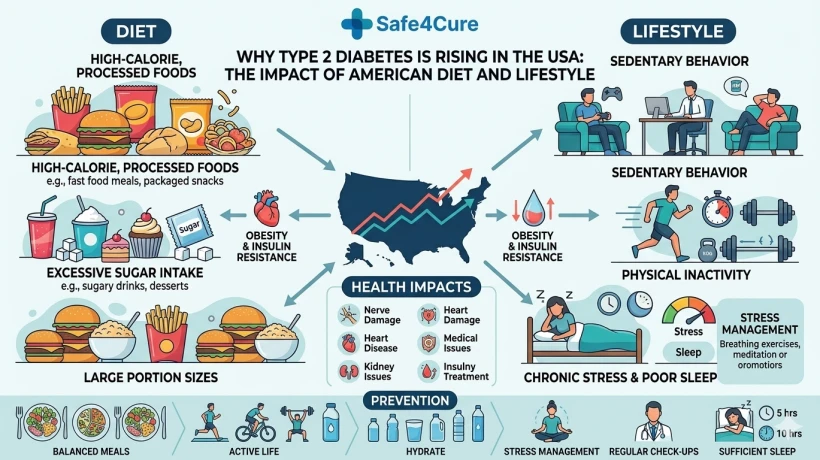
Type 2 diabetes is rising fast in the USA. Learn the symptoms, causes, diet tips, and treatments like Ozempic & semaglutide to manage your health today.
From the busy streets of New York City to the sun-soaked boulevards of Los Angeles, from the deep-fried food culture of New Orleans to the fast-food drive-throughs lining every corner of Houston and Chicago — America is facing a serious public health crisis. Type 2 diabetes, the most common type of diabetes, is silently spreading across the country at an alarming pace. Millions of Americans — whether they live in small towns in the Midwest or bustling metro areas like Phoenix, Dallas, or Atlanta — are being diagnosed every single year.
So what exactly is diabetes? What is diabetes in simple terms? It is a chronic condition in which your body does not use insulin properly, leading to elevated blood sugar levels that, over time, damage your organs, nerves, and blood vessels. Unlike Type 1 diabetes (an autoimmune condition), Type 2 diabetes is largely driven by lifestyle factors — poor diet, physical inactivity, obesity, and chronic stress. The good news is that with the right type 2 diabetes diet, type 2 diabetes medications, and lifestyle changes, the condition can be managed effectively.
In this blog, we'll dig into why Type 2 diabetes is rising in America, explore diabetes symptoms you should watch for, look at modern treatment options including GLP-1 medications like Ozempic and semaglutide, and guide you through practical steps you can take starting today.
What Is Diabetes and How Do You Get Diabetes?
Before we talk about the rise, let's make sure we understand the basics. What is diabetes? In medical terms, diabetes is a metabolic disorder characterized by high blood glucose (sugar) levels. There are different types, but Type 2 diabetes accounts for roughly 90–95% of all diabetes cases in the United States.
The core problem in Type 2 diabetes is insulin resistance. Your pancreas produces insulin, a hormone that acts like a key to let glucose enter your cells for energy. But when your body does not use insulin properly, the "key" doesn't work well anymore. Over time, the pancreas struggles to produce enough insulin to overcome this resistance, and blood sugar levels rise dangerously.
How do you get diabetes? The risk factors include:
• Being overweight or obese, especially belly fat
• Sedentary lifestyle with little to no physical activity
• Unhealthy diet high in processed foods and sugar
• Family history of diabetes
• Age (45 and older), although younger Americans are increasingly affected
Recognizing the Warning Signs: Symptoms of Type 2 Diabetes
One of the most dangerous aspects of Type 2 diabetes is that it often develops silently. Many people walk around with undiagnosed high blood sugar for years. Knowing the diabetes symptoms can be life-saving. Here's what to look out for:
• Frequent urination, especially at night
• Excessive thirst and dry mouth
• Blurred vision
• Unexplained fatigue and low energy
• Slow-healing wounds or sores
• Tingling or numbness in hands and feet
• Unexplained weight loss (in some cases)
If you are experiencing these symptoms of type 2 diabetes, don't ignore them. Schedule a blood test with your doctor immediately. Early detection can prevent serious complications of diabetes down the road.
Why Type 2 Diabetes Is Rising Across America
The statistics are sobering. According to the CDC, over 38 million Americans currently have diabetes, and another 98 million have prediabetes — a condition where blood sugar is elevated but not yet at diabetic levels. So why is this happening? Let's break it down.
1. The Ultra-Processed American Diet
Walk into any grocery store in Miami, Detroit, or Denver, and you'll see aisles packed with chips, sugary cereals, white bread, frozen meals, and sodas. The standard American diet is heavily reliant on ultra-processed foods loaded with refined carbohydrates, added sugars, and unhealthy fats. These foods spike blood sugar rapidly and repeatedly, exhausting the pancreas over time.
2. Sedentary Lifestyles and Desk Jobs
Americans are moving less than ever before. Remote work, long commutes, binge-watching television, and screen time addiction have created a generation that spends most of the day sitting. Physical inactivity is one of the strongest predictors of insulin resistance. Cities like San Antonio and Indianapolis have seen rising obesity rates closely linked to low physical activity levels, directly contributing to Type 2 diabetes growth.
3. Obesity Epidemic
America's obesity crisis and the Type 2 diabetes epidemic are deeply intertwined. Excess body fat — especially around the abdomen — significantly impairs insulin sensitivity. Over 40% of American adults are classified as obese. When you carry extra weight, your body does not use insulin properly, and the risk of developing Type 2 diabetes multiplies several times over.
4. Sugar and Soda Consumption
Americans consume more added sugar per capita than almost any other country in the world. Sweetened beverages — sodas, energy drinks, flavored coffees — are a massive driver of blood sugar spikes and weight gain. Research shows that drinking just one or two sugar-sweetened drinks per day significantly raises the risk of developing Type 2 diabetes.
5. Stress and Mental Health
Chronic stress — something millions of Americans deal with daily — raises cortisol levels in the body. Elevated cortisol promotes fat storage around the belly and impairs insulin function. In cities like Seattle, Boston, and San Francisco, where high-pressure work environments are common, stress-related metabolic disorders are on the rise.
Complications of Diabetes: Why You Can't Ignore It
Left unmanaged, Type 2 diabetes doesn't just affect your blood sugar. The complications of diabetes can be devastating and life-threatening:
• Heart disease and stroke (leading cause of death in diabetics)
• Kidney disease (diabetic nephropathy)
• Nerve damage (diabetic neuropathy)
• Vision loss and blindness (diabetic retinopathy)
• Foot ulcers and possible amputations
• Increased risk of Alzheimer's disease and dementia
These complications make diabetes one of the costliest diseases in America, both personally and for the healthcare system. Early management and lifestyle change are the most powerful tools available.
Type 2 Diabetes Diet: Eating to Control Your Blood Sugar
One of the most powerful things you can do after a diabetes diagnosis is change what you put on your plate. The right type 2 diabetes diet can dramatically improve blood sugar control, support diabetes 2 and weight loss, and reduce the need for medications over time.
Foods to Prioritize:
• Non-starchy vegetables: broccoli, spinach, kale, peppers, cauliflower
• Lean proteins: chicken, turkey, fish, eggs, tofu, legumes
• Whole grains: quinoa, brown rice, oats, whole wheat bread
• Healthy fats: avocado, olive oil, nuts, seeds
• Low-glycemic fruits: berries, cherries, apples, pears
Best Snacks for Diabetics Type 2:
Choosing the right snacks for diabetics type 2 is important to avoid blood sugar spikes between meals. Great options include a handful of almonds or walnuts, celery sticks with hummus, Greek yogurt (plain, unsweetened), a small apple with peanut butter, cheese with whole-grain crackers, or a hard-boiled egg. These options are high in protein and fiber, helping keep blood sugar stable throughout the day.
Diabetes 2 and Weight Loss: A Powerful Connection
Research consistently shows that losing even 5–10% of your body weight can significantly improve blood sugar levels in people with Type 2 diabetes. Some patients who lose substantial weight even achieve remission — meaning their blood sugar returns to normal without medications. This connection between diabetes 2 and weight loss is why modern treatment plans focus heavily on sustainable weight management through diet, exercise, and medication.
Type 2 Diabetes Medications: From Metformin to GLP-1 Therapies
When lifestyle changes alone aren't enough, type 2 diabetes medications become essential. There are several classes of medications available today, each working in a different way to lower blood sugar.
Common Medication Classes:
• Metformin: Usually the first-line treatment, reduces glucose production in the liver
• SGLT-2 inhibitors: Help kidneys remove excess glucose through urine
• DPP-4 inhibitors: Boost insulin production after meals
• GLP-1 receptor agonists: A revolutionary class that is changing diabetes treatment
The GLP-1 Revolution: Ozempic, Semaglutide, and More
In recent years, GLP-1 medications have completely transformed how doctors approach Type 2 diabetes treatment. GLP-1 stands for glucagon-like peptide-1, a hormone that the body naturally releases after eating. GLP-1 medication works by mimicking this hormone, stimulating the pancreas to release insulin when blood sugar is high, reducing glucagon (a hormone that raises blood sugar), slowing digestion, and promoting feelings of fullness — which supports significant weight loss.
Semaglutide is currently one of the most effective and widely discussed GLP-1 drugs on the market. The semaglutide brand name most Americans recognize is Ozempic, which is the injectable weekly version approved for Type 2 diabetes management. The semaglutide class belongs to the GLP-1 receptor agonist family of drugs, and clinical trials have shown impressive results in both blood sugar control and weight loss.
Ozempic 0.5 mg is typically the starting dose for patients new to this therapy. Doctors usually begin patients at Ozempic 0.5 mg weekly for 4 weeks to help the body adjust and minimize gastrointestinal side effects. After this initiation period, the dose is often increased based on the patient's blood sugar response and tolerance.
These glp-1 medications have become so popular that there are frequent drug shortages across pharmacies in cities like Los Angeles, Chicago, and New York. While originally approved for diabetes, the weight loss benefits have made drugs like Ozempic — and its weight-management sibling Wegovy (also semaglutide) — widely sought after even among people without diabetes.
For patients looking for reliable pharmaceutical information and access to quality diabetes medications, Safe4cure is a trusted online pharmacy resource that provides a wide range of diabetes treatments, including newer GLP-1 therapies, metformin, and more.
New and Alarming Trends in the United States (2024-2025 Data)
Beyond just the traditional risk factors, recent American health data is revealing some deeply concerning new trends:
• Type 2 diabetes is now being diagnosed in teenagers and young adults aged 18–35 at unprecedented rates, largely due to obesity and poor dietary habits.
• Southern states like Mississippi, Alabama, and West Virginia consistently report the highest diabetes prevalence in the country — an area researchers now call the "Diabetes Belt."
• Hispanic and Black Americans are disproportionately affected, with rates nearly double that of non-Hispanic white Americans due to a combination of genetic, dietary, and systemic healthcare access factors.
• Sleep deprivation — a common problem in high-stress metro areas — has been newly linked to higher rates of insulin resistance and Type 2 diabetes development.
• Post-COVID-19 research suggests that COVID-19 infection may trigger new-onset diabetes, with a 40% higher risk observed in people who had severe COVID cases.
Can Type 2 Diabetes Be Prevented? Practical Steps You Can Take Today
The encouraging truth is that Type 2 diabetes is largely preventable — and even reversible in its early stages. Here's what experts recommend:
• Move more: Aim for at least 150 minutes of moderate exercise per week — even brisk walking counts
• Follow a low-glycemic, plant-rich type 2 diabetes diet
• Lose weight if overweight — even modest weight loss dramatically lowers risk
• Quit smoking — smoking worsens insulin resistance significantly
• Reduce alcohol intake
• Get regular blood sugar screenings, especially if you're over 45 or have risk factors
• Manage stress through mindfulness, yoga, or therapy
Frequently Asked Questions (FAQs)
Q1: What is diabetes in simple terms?
Diabetes is a chronic disease where your body either doesn't produce enough insulin or your body does not use insulin properly, resulting in too much sugar in your bloodstream. Over time, this excess sugar damages organs, blood vessels, and nerves.
Q2: What are the first symptoms of type 2 diabetes I should watch for?
The earliest symptoms of type 2 diabetes often include frequent urination, increased thirst, fatigue, blurred vision, slow-healing cuts, and numbness or tingling in the feet. Many people have no symptoms at all in the early stages, which is why routine blood tests are important.
Q3: What is semaglutide and what is the semaglutide brand name?
Semaglutide is a GLP-1 receptor agonist medication used to treat Type 2 diabetes and obesity. The semaglutide brand name for the diabetes injectable is Ozempic, while the oral form is Rybelsus, and the higher-dose weight management version is Wegovy. The semaglutide class belongs to GLP-1 drugs that mimic natural gut hormones to control blood sugar and appetite.
Q4: Is there a connection between diabetes 2 and weight loss?
Absolutely. Losing weight is one of the most effective ways to manage — and even reverse — Type 2 diabetes in some patients. Studies show that losing 10–15% of body weight can lead to significant improvements in blood sugar, blood pressure, and cholesterol levels. GLP-1 medications like semaglutide support diabetes 2 and weight loss simultaneously.
Q5: What are the best snacks for diabetics type 2?
The best snacks for diabetics type 2 are low in simple carbohydrates and high in protein or healthy fats. Great choices include: nuts and seeds, plain Greek yogurt, hard-boiled eggs, celery with peanut butter, cucumber slices with hummus, and small portions of cheese with whole-grain crackers..
Don't wait for complications to force your hand. Your health is worth fighting for — starting today.



Comments
Login to Comment