Why Do Some Parcels Arrive Perfect While Others Don’t?
18 May, 2026
1510 Views 0 Like(s)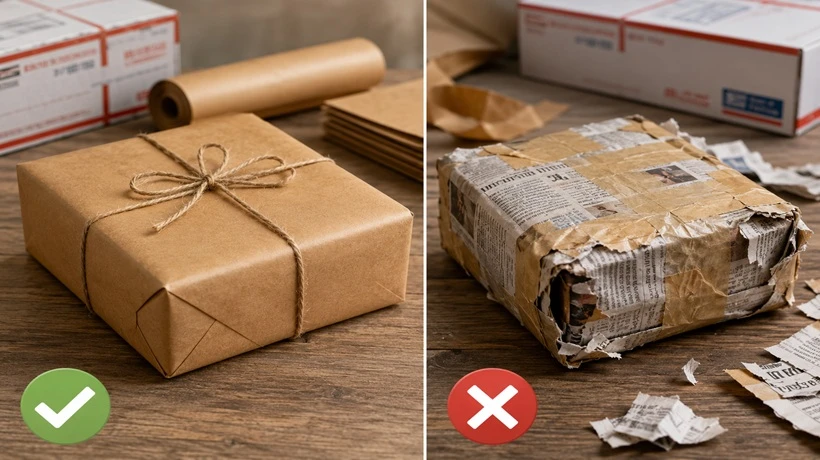
Almost everyone has opened a delivery and instantly felt disappointed before even seeing the product. Sometimes the box looks crushed at the edges. Sometimes the wrapping feels loose or poorly packed.
Almost everyone has opened a delivery and instantly felt disappointed before even seeing the product. Sometimes the box looks crushed at the edges. Sometimes the wrapping feels loose or poorly packed. That first reaction stays in the customer’s mind, even if the item inside is completely fine.
Now compare that to a parcel that arrives clean, secure and properly packed. It immediately feels more reliable. The product somehow feels more valuable, too. That small moment explains why packaging has become far more important than many businesses realise.
Parcels travel through conveyor belts, storage cages, delivery vans and sorting hubs before reaching the doorstep. During that journey, weak packaging quickly shows its flaws. Strong packaging usually survives because every layer has been chosen properly.
Why Do Some Parcels Survive Shipping Better?
The biggest reason is movement.
When products slide around inside a box, damage slowly becomes more likely. Corners are hit against cardboard repeatedly. Fragile surfaces rub against hard edges. Even a small amount of space can create problems during transport.
Good packaging reduces that movement as much as possible.
Packing teams that deal with regular deliveries usually focus on a few important things:
- Choosing the correct box size
- Adding protective filling properly
- Sealing cartons tightly
- Strengthening fragile corners
- Using outer wrapping for extra support
These details may sound small, but together they make a noticeable difference once parcels enter courier systems.
Which Packaging Materials Actually Help?
Not every packaging material works the same way. Some protect against pressure, while others help stop movement inside the parcel.
Loose Paper Filling
One of the simplest ways to protect lightweight items is still paper cushioning.
Many packing stations use newspaper offcuts because they naturally fill awkward gaps around products. This works especially well for decorative accessories, cosmetics or smaller retail items that need light protection without heavy packaging.
Paper filling also creates a neater unboxing experience compared to loose plastic filler, which spreads everywhere after opening.
Protective Outer Layers
Parcels often develop surface marks during transport long before the box itself is damaged.
Strong parcel wrap materials help protect cartons from dirt, scratches and moisture while parcels move through delivery networks. This additional layer becomes especially useful during busy periods, when deliveries are packed more tightly into vans.
Many fulfilment teams rely on wrapping because it helps parcels arrive looking cleaner and more presentable.
Traditional Kraft Covering
There is a reason many warehouses still keep rolls of brown parcel paper nearby.
It remains one of the easiest ways to quickly wrap boxed products while adding an extra protective layer to the parcel. Books, stationery bundles and presentation boxes are often wrapped before being sealed into outer cartons.
Paper wrapping also gives parcels a tidier and more organised appearance when delivered.
Why Does the Box Itself Matter So Much?
Even excellent cushioning cannot help much if the outer box collapses during shipping.
Parcels are stacked constantly during storage and transport. Weak cartons lose shape quickly under pressure, especially during long delivery routes. Some of the best packaging boxes that you may prefer are:
Compact Delivery Cartons
Smaller postal boxes usually work better for lightweight products because they reduce unnecessary space inside the parcel.
Subscription products, stationery items, and accessories often arrive more safely when packed in fitted cartons rather than in oversized boxes filled with excess padding.
Smaller cartons also feel cleaner and more premium when opened.
Wrap-Style Protection
Protective book wraps are specifically designed for flatter products that need edge protection during delivery.
Books and printed materials often get damaged when they move loosely inside larger cartons. Wrap-style packaging keeps them secure while helping prevent bent corners and surface marks.
This type of packaging is also easier to store and quicker to pack during busy dispatch periods.
Heavy-Duty Transit Cartons
Heavier products naturally need stronger support.
Double-wall cartons are commonly used for electronics, homeware products and fragile decorative items because thicker cardboard handles stacking pressure more effectively during transit.
Stronger cartons usually reduce crushing during longer shipping journeys.
Can Packaging Really Affect Customer Trust?
Definitely.
Customers may not remember every packaging detail, but they always remember how the parcel looked when it arrived. A damaged or badly packed box creates frustration immediately, especially when the order was expensive or intended as a gift.
Good packaging quietly reassures the customer before the product is even opened. It suggests that care has been taken throughout the entire delivery process.
That feeling matters more now because customers compare delivery experiences almost as much as products themselves.
Which Other Materials Help Protect Fragile Deliveries?
Most professional packing setups use several materials together, depending on the item being shipped.
Additional protection often includes:
- foam cushioning sheets
- reinforced parcel tape
- cardboard inserts
- rigid mailing envelopes
- edge protectors
Each material helps absorb pressure differently during transport.
Conclusion
Parcels that arrive safely are rarely packed carelessly. Strong deliveries usually come from thoughtful packaging choices made before dispatch even begins.
From fitted cartons and protective wrapping to paper cushioning and reinforced boxes, every layer helps products survive the journey more safely.
When packaging is chosen properly, customers notice the difference straight away.


Comments
Login to Comment