Why Banks Trust Biometric Door Access Systems
27 Feb, 2026
6316 Views 0 Like(s)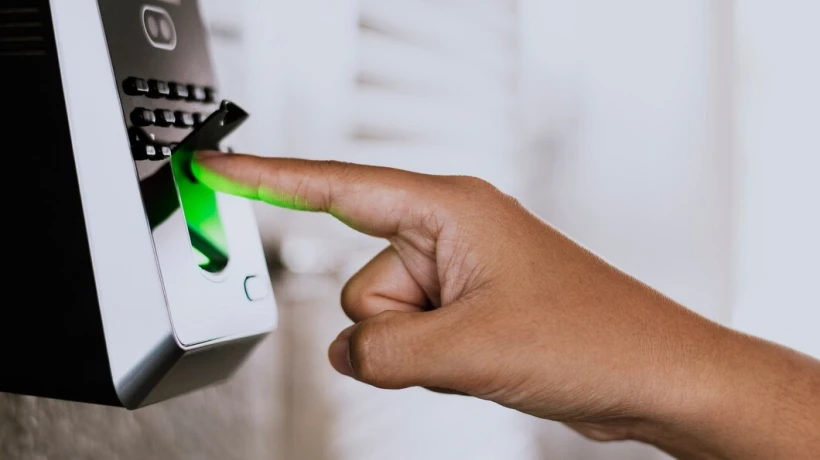
Banks face constant pressure to keep assets safe while protecting staff. Outdated cards and PINs no longer cut it, as they’re easy to copy or steal. Biometric devices remove these weak points.
Security has never been more critical for banks. With threats rising, a secure front door is now just as important as the vault. That’s why biometric door access has become the trusted choice for financial institutions. It gives banks control, visibility, and peace of mind in a way old systems never could.
Banks face constant pressure to keep assets safe while protecting staff. Outdated cards and PINs no longer cut it, as they’re easy to copy or steal. Biometric devices remove these weak points.
By the end, you’ll know why banks depend on this tech and how it strengthens every corner of their daily operations.
What Makes Biometric Door Access Different?
It uses unique human traits to allow or block entry. This could be a fingerprint, face, iris or palm. These traits cannot be guessed or shared, which makes them ideal for secure sites.
How it works
A biometric fingerprint device scans the print and checks it against stored data. When it matches, access is granted in seconds. Banks prefer this because it cuts out guesswork and human error.
Why it stands out
-
No keys to copy
-
No cards to lose
-
No PINs to forget
-
Very low risk of misuse
This alone makes it a stronger option for high-risk areas.
Why Banks Need More Than Traditional Access Control
Banks have long relied on swipe cards and PIN pads. But modern threats outsmart those tools.
Common weaknesses in older systems
-
Cards get shared among staff
-
PINs get written down
-
Keys go missing
-
No clear record of who entered
These faults create gaps that criminals exploit. When a breach happens, it’s not always clear how it occurred. Biometric door access closes these gaps at once.
Top Reasons Banks Trust Biometric Door Access
1. Strong Protection Against Unauthorised Entry
Financial institutions need entry control that works every time. Biometric systems rely on traits that cannot be stolen or forged. This stops tailgating, card cloning, and insider misuse.
Key advantages include:
-
Unique traits remove the risk of shared or stolen credentials
-
Scans work fast, even in high-traffic areas
-
Harder for intruders to bypass or replicate
-
Reduces internal misuse by linking access to each person
2. Clear Audit Trails for Compliance
Banks handle strict audits. Regulators expect detailed logs for who accessed what and when. A biometric fingerprint device creates a full digital trail with timestamps.
This makes compliance easier for:
-
Risk teams
-
Security managers
-
Internal auditors
It removes the guesswork that comes with keys and access cards.
3. Lower Long-Term Security Costs
Many banks assume biometric systems are expensive. Upfront, they are higher than card-based options. Yet the long-term savings tell a different story.
Cost savings come from:
-
No constant card replacement
-
Fewer lock changes
-
Lower staff training time
-
Less manual monitoring
Over time, the system pays for itself.
How Biometric Access Enhances Internal Bank Operations
Faster Staff Movement
Branches and treasury rooms need quick, safe movement. Staff cannot waste time at doors. Biometric scanners keep traffic flowing without security checks slowing down.
Better Control Over Restricted Zones
Banks have spaces only certain staff can enter. With this, permissions update in minutes. When roles change, access updates instantly.
Centralised Management
Large institutions run many branches. Biometric systems allow head offices to manage access from one dashboard. This reduces errors across multiple sites.
Types of Biometric Systems Banks Prefer
|
System Type |
Speed |
Accuracy |
Best Use |
|
Fingerprint |
Fast |
High |
Branch entrances |
|
Facial |
Very fast |
Medium-high |
Staff access doors |
|
Palm/Vein |
Fast |
Very high |
Vault areas |
Why Biometric Door Access Fits Banking Environments
Banks have unique security demands. Unlike other sectors, they handle cash, sensitive data, and high-value assets. This pushes them to use stronger tools.
Key advantages
-
Works 24/7 in all lighting
-
Hard to bypass
-
Helps prevent insider threats
-
Enhances customer trust
People feel safer when they see advanced security at a bank. It signals that their money and information are well protected.
Biometric Fingerprint Devices Reduce Insider Risks
A surprising amount of bank breaches start inside. Cards and keys make this easier, as they can be shared without detection. Biometric traits cannot be passed around.
This closes the door on:
-
Shared access credentials
-
Unlogged entries
-
Staff misuse after hours
With biometrics, every entry ties back to a real person.
Biometric Door Access for Banks and Financial Institutions
Across the sector, institutions adopt biometrics for both front and back-office spaces.
Common areas where banks install biometric access
-
Server rooms
-
Vaults
-
Cash handling rooms
-
Back entrances
-
ATM service rooms
-
Main staff doors
These zones carry higher risk. Biometric door access for banks and financial institutions creates a secure boundary around them.
How Biometric Access Strengthens Customer Safety
Modern customers want fast service but safe service. Strong physical security reassures them, especially in branches with heavy footfall.
Visible benefits for customers
-
Less chance of unauthorised persons entering staff areas
-
Safer cash handling
-
Strong defence against theft or fraud
A secure environment builds trust, which keeps customers loyal.
Future Trends in Biometric Security for Banks
Banks are investing in next-generation tools.
Coming trends
-
Multi-modal biometrics (fingerprint + face)
-
AI-driven threat detection
-
Cloud-based access logs
-
Touch-free sensors
These upgrades allow banks to take security even further.
Is Biometric Door Access Worth It for Banks?
Yes. It gives banks far stronger protection, smoother operations, and easier compliance. It removes weak points found in keys, cards, and PINs, making it much harder for intruders to slip through unnoticed. As threats evolve, banks need a dependable system that is tough to bypass and simple to manage across multiple branches.
Biometric systems also reduce long-term costs by cutting out card replacements, lock changes, and manual checks. They create clear audit trails, which helps compliance teams during inspections. For banks that want reliability, accuracy, and long-term security, biometrics offer a future-proof solution.
Why Biometrics Are a Smart Long-Term Investment
Banks need solutions that stay reliable without driving up costs. It achieves this with simple upkeep and long-lasting performance.
Key long-term benefits include:
-
Low maintenance after installation
-
Consistent accuracy over years of use
-
Easy scaling for banks with many branches
-
Reduced spend on cards, keys, and lock changes
-
Less manual oversight for security teams
-
Strong return on investment through long-term savings
Conclusion
Biometric door access gives banks more control, stronger security, and better oversight. The system updates existing security measures which have become inadequate for current requirements.
Banks use fingerprint devices and advanced sensors to achieve exact control of their protected locations. Staff members work more efficiently while audit teams benefit from improved transparency and customers experience greater security. The shift to biometric access is more than a trend.
Financial institutions that seek to maintain their security and customer trust have adopted this technology as their standard access method. Modern banking security now depends on this technology as its fundamental element.
FAQs
Why are banks moving to biometric door access?
The financial institutions require enhanced security measures to defend against current security challenges. Biometric access systems eliminate all security vulnerabilities that stem from using cards and PIN codes.
Are biometric fingerprint devices safe to use?
The system uses encrypted templates for storage instead of keeping actual fingerprint data. The system maintains security for stored information even during system breaches.
Does biometric access slow staff movement?
No. Modern devices complete their scanning process within a single second. The system actually improves movement efficiency through crowded spaces at busy locations.
Can biometrics replace all access cards?
In many cases, yes. Some banks still keep cards as backup, but daily access often shifts fully to biometrics.



Comments
Login to Comment