Which Body Areas Can Be Treated With Laser Hair Removal?
07 Oct, 2026
5 Views 0 Like(s)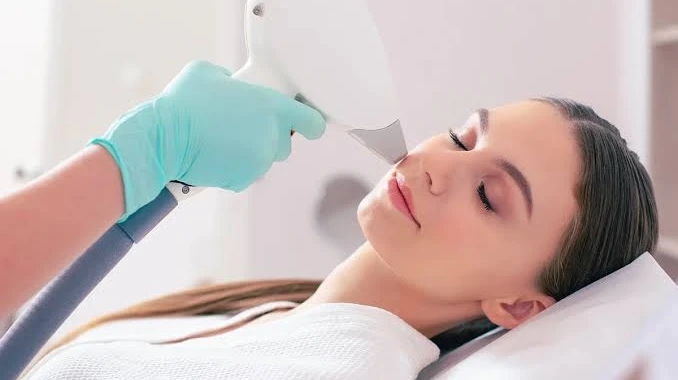
Laser Hair Removal in Dubai can be used on many areas where unwanted hair is present, including the face, arms, legs, underarms, chest, back, and bikini area.
Unwanted hair can appear on almost any part of the body, and different areas may require different hair-removal approaches. Laser Hair Removal in Dubai can be used on many areas where unwanted hair is present, including the face, arms, legs, underarms, chest, back, and bikini area. The suitability of each area depends on factors such as hair thickness, skin tone, hair density, and the condition of the skin. A personalized treatment plan can help determine which areas are appropriate and how they should be treated.
Which Body Areas Can Laser Hair Removal Treat?
Laser hair removal can be performed on many common areas of the body.
Frequently treated areas include:
- Face
- Upper lip
- Chin
- Jawline
- Underarms
- Arms
- Legs
- Chest
- Back
- Shoulders
- Abdomen
- Bikini area
The exact areas available for treatment can depend on the person's needs, hair characteristics, and the laser technology being used.
Because hair grows differently across the body, one area may require a different treatment schedule or number of sessions than another.
Can Laser Hair Removal Be Used on the Face?
Yes, suitable facial areas can be treated with laser hair removal.
Common areas include the upper lip, chin, jawline, and sideburn region.
Facial hair can sometimes be finer than body hair and may also be affected by hormonal changes. This can make facial treatment different from treating areas such as the legs or underarms.
The treatment should be planned according to the hair's thickness, color, density, and the person's skin type.
Can the Upper Lip Be Treated?
The upper lip is one of the smaller areas commonly treated with laser hair removal.
Because the area is small, an appointment can be relatively quick. However, facial hair may require repeated sessions because of its growth pattern and potential hormonal influence.
The skin around the mouth can also be more sensitive than some other body areas.
Appropriate laser settings and careful treatment technique are therefore important.
Can the Chin and Jawline Be Treated?
Laser hair removal can be used on suitable chin and jawline hair.
These areas are commonly treated when unwanted facial hair is dark enough to respond to the selected laser.
Hormonal factors can influence chin and jawline hair, particularly when growth is persistent or increases over time.
Laser treatment may reduce existing unwanted hair, but hormonal stimulation can contribute to future regrowth.
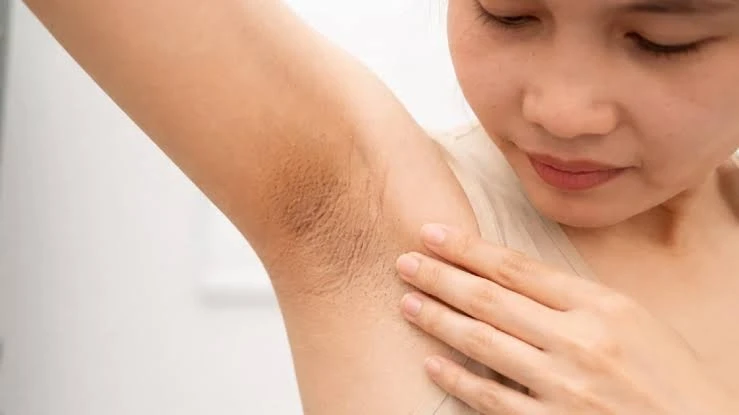
Can Underarms Be Treated With Laser Hair Removal?
Underarms are a popular treatment area because the hair is often darker and coarser than hair in some other areas.
The laser can target the pigment in the hair follicles, helping reduce future growth over a series of sessions.
Many people choose underarm treatment because it can reduce the need for frequent shaving.
The underarm area can be sensitive, so the treatment settings should be selected according to the person's skin characteristics.
Can Laser Hair Removal Treat the Arms?
Yes, laser hair removal can be performed on the arms when the hair is suitable for laser treatment.
Treatment may include the upper arms, lower arms, or both, depending on the individual's goals.
Arm hair can vary significantly in thickness and color. Coarser, darker hair may respond more readily than very fine or lightly pigmented hair.
A professional assessment can help determine whether the expected reduction is likely to be worthwhile.
Can Unwanted Leg Hair Be Treated?
The legs are among the larger areas commonly treated with laser hair removal.
Treatment can cover the lower legs, upper legs, or the entire leg depending on the planned treatment area.
Leg hair is often suitable for laser treatment when it contains sufficient pigment.
Because the legs cover a larger surface area, appointments may take longer than treatments for smaller areas such as the upper lip or underarms.
Can the Bikini Area Be Treated?
Laser hair removal can be used on suitable external bikini-area skin.
People may choose treatment to reduce unwanted hair along the bikini line or other agreed treatment areas.
The skin in this region can be more sensitive, and hair may be relatively coarse.
The exact area treated should be clearly discussed with the provider before the session so that expectations and treatment boundaries are understood.
Can Laser Hair Removal Be Used for the Chest?
Yes, the chest can be treated when the hair and skin are suitable.
Chest hair is often darker and coarser, which can provide a useful target for laser energy.
Some people may choose partial treatment, while others may want a larger area treated.
Hair density and growth patterns can differ considerably across the chest, so results may develop unevenly during the initial treatment stages.
Can the Abdomen Be Treated?
The abdomen can also be treated for unwanted hair.
This area may contain hair of different thicknesses, ranging from fine hair to more noticeable coarse growth.
The effectiveness of treatment depends partly on how much pigment the hair contains.
The provider can assess the area and determine whether laser treatment is appropriate based on the hair and skin characteristics.
Can Back Hair Be Treated With Laser Hair Removal?
Yes, the back is a common treatment area, particularly for people with dense or coarse unwanted hair.
Because the back is a large area, treatment sessions may take longer than smaller-area appointments.
Back hair can respond well when it is sufficiently dark and thick, although individual results vary.
It can also be helpful for people who experience frequent irritation from shaving or difficulty managing the area with traditional hair-removal methods.
Can Shoulder Hair Be Treated?
Shoulder hair can be treated when it is suitable for the selected laser.
Some people have hair extending from the upper back toward the shoulders, making the area difficult to manage with shaving.
Laser treatment can be planned to address specific areas according to the person's desired appearance.
As with other body areas, hair color, thickness, and density influence the expected response.
Can Laser Hair Removal Be Used for the Neck?
The neck can be treated in suitable candidates, particularly when unwanted hair is dark enough for the laser to target.
Neck hair may be associated with shaving irritation or recurring ingrown hairs.
However, the area can contain a mixture of coarse and fine hair, so the expected response may vary.
Careful treatment planning is particularly important around the front and sides of the neck.
Can Laser Hair Removal Treat the Buttocks?
Suitable external skin on the buttocks may be treated depending on the individual's needs and the provider's treatment protocols.
Hair thickness and density can vary significantly in this area.
The exact boundaries of treatment should be discussed before the procedure.
Laser hair removal should only be performed on appropriate skin areas using equipment and settings designed for that purpose.
Can Hands and Feet Be Treated?
Unwanted hair on the hands, fingers, feet, or toes can sometimes be treated.
These areas may contain finer hair than regions such as the underarms or lower legs.
As a result, the response can vary according to the amount of pigment and thickness of the hair.
A professional can assess whether treatment is likely to provide useful reduction.
Can Laser Hair Removal Be Used on the Entire Body?
Many body areas can be treated, but “full body” does not necessarily mean every part of the skin can or should be treated.
Certain areas require special consideration because of their anatomy, sensitivity, hair type, or proximity to delicate structures.
The face, underarms, legs, chest, back, abdomen, and bikini area can often be included in a personalized treatment plan.
A provider can explain which areas are appropriate and which should be avoided.
Does Every Body Area Need the Same Number of Sessions?
No.
Different areas can respond at different rates because hair thickness, density, growth cycles, and hormonal influences vary.
For example, coarse body hair may respond differently from fine facial hair.
The size of the area also affects the treatment process, while hormonal factors can influence areas such as the face.
The treatment schedule should therefore be based on the response of each area rather than using exactly the same plan for the entire body.
Which Areas Usually Respond Well?
Areas with darker, thicker hair often provide a stronger target for laser energy.
Common examples include:
- Underarms
- Lower legs
- Bikini area
- Chest
- Back
- Coarse arm hair
However, this does not mean every person will have the same result.
Skin tone, laser technology, treatment settings, hair-growth stage, and individual response all remain important.
Which Areas Can Be More Challenging?
Very fine or lightly pigmented hair can be more difficult to treat regardless of where it appears.
Facial hair can also be more complex because hormones may influence growth.
Areas with darker skin require careful selection of laser technology and settings because the surrounding skin contains more melanin.
A professional consultation can help identify areas that may require additional care or a different approach.
How Should Different Body Areas Be Prepared?
Preparation instructions may vary depending on the treatment area.
You may be advised to shave the area before treatment while avoiding waxing or plucking for a period beforehand.
Excessive sun exposure and tanning should generally be avoided because recently tanned skin may be more sensitive to laser treatment.
The provider should also be informed about medications, skincare products, previous laser reactions, or active skin problems.
Following area-specific instructions can help make treatment more comfortable and predictable.
What Happens After Treating Different Areas?
Temporary redness, warmth, or mild swelling can occur after laser hair removal.
Larger areas may feel warm or sensitive for a short period, while smaller areas may settle more quickly.
Gentle skincare and sun protection are important after treatment.
The provider may also recommend avoiding excessive heat, friction, or irritating products for a certain period.
Aftercare instructions should be followed according to the specific area and laser technology used.
Can Laser Hair Removal Help With Ingrown Hairs?
It may help people who frequently experience ingrown hairs in areas such as the legs, bikini line, underarms, or beard region.
When hair growth is reduced, there may be fewer hairs available to curl back into the skin.
However, laser treatment does not guarantee that every ingrown hair will disappear.
Existing inflammation or severe ingrown hairs may need separate assessment and treatment.
How Do You Choose Which Areas to Treat?
The best treatment areas depend on where unwanted hair causes the most concern.
Some people may prefer to focus on small areas such as the upper lip and underarms, while others may want larger areas such as the legs, back, or chest treated.
A consultation can help prioritize areas according to hair characteristics, skin type, personal preferences, and expected treatment response.
Conclusion
Laser hair removal can be used on many areas of the body, including the face, upper lip, chin, underarms, arms, legs, bikini area, chest, back, shoulders, abdomen, and other suitable regions. The effectiveness of treatment depends on the characteristics of the hair and skin as well as the laser technology and treatment settings.
Different body areas may respond differently because hair thickness, density, growth cycles, and hormonal influences are not the same everywhere. Facial hair, for example, can behave differently from coarse hair on the legs or underarms.
For anyone considering laser hair removal in Dubai, a professional assessment can help identify the most suitable treatment areas and create a plan based on individual needs. Proper preparation, appropriate laser selection, and consistent aftercare can help support safe and effective hair reduction.
Frequently Asked Questions
Which body areas can be treated with laser hair removal?
Common treatment areas include the face, upper lip, chin, underarms, arms, legs, bikini area, chest, back, shoulders, and abdomen.
Can laser hair removal treat facial hair?
Yes. Suitable facial areas such as the upper lip, chin, jawline, and sideburn region can be treated when the hair is appropriate for the selected laser.
Can underarm hair be removed with laser?
Yes. Underarms are a common treatment area, particularly when the hair is dark and coarse enough to respond to laser energy.
Can laser hair removal treat leg hair?
Yes. Both the upper and lower legs can be treated, depending on the individual's treatment plan.
Can back hair be treated with laser?
Yes. The back can be treated, especially when unwanted hair is dense, dark, or coarse.
Is chest hair suitable for laser hair removal?
Chest hair can be treated when the hair and skin are suitable. Darker and coarser chest hair often provides a stronger target for the laser.
Can the bikini area be treated?
Yes. Suitable external bikini-area skin can be treated according to the agreed treatment area and provider's protocols.
Can laser hair removal treat hair on the arms?
Yes. The upper arms and lower arms can be treated when the hair contains sufficient pigment for the selected laser.
Can laser hair removal be performed on the neck?
Yes, suitable neck areas can be treated. Because neck hair can vary in thickness and may be hormonally influenced, individual assessment is important.
Can the whole body be treated with laser hair removal?
Many areas can be treated, but not every part of the body is necessarily appropriate. A professional can identify suitable areas and create an individualized treatment plan.

Comments
Login to Comment