What Makes a Middle Eastern Restaurant Experience So Memorable
15 Feb, 2026
7598 Views 0 Like(s)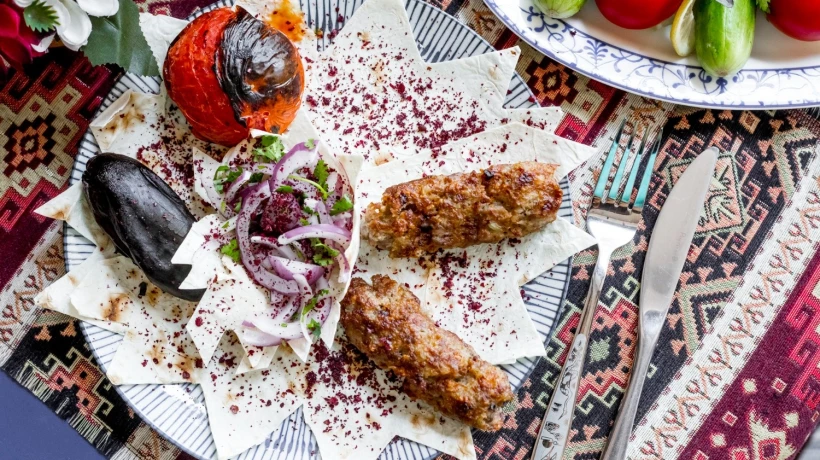
No proper middle eastern restaurant experience ends without the mint tea ritual. Baklava or maamoul cookies finish everything perfectly.
Middle Eastern restaurants offer something most other places just can't match - bold flavors mixed with the kind of hospitality that makes you feel like family. You're getting fragrant spices, dishes so colorful they look hand-painted, and this whole sharing vibe that turns dinner into an event. These spots celebrate cooking traditions that go back thousands of years, and somehow that history shows up in every bite. Walk out of one of these places and I guarantee you'll be planning your next visit before you even get to your car.
Why People Love Middle Eastern Restaurants
Look, I've eaten at a lot of restaurants. But walking into a proper middle eastern restaurant? That's different. You catch that cardamom smell mixed with lamb sizzling away, and something in your brain just clicks. The pita's coming out hot every few minutes, people are laughing, and these gorgeous traditional patterns are everywhere you look.
It's not like grabbing a quick bite on a Tuesday. This is an experience. Last time I went to one of these places, I ended up staying three hours. Didn't even realize it. The memories from nights like that stick around way longer than the food does.
The Spices and Aromas Hit You First
Honestly, you know within about five seconds whether a middle eastern restaurant is legit or not. Your nose figures it out before your brain catches up. Real spices smell completely different from that generic restaurant smell you get in most places.
Spices That Make the Difference
Cumin usually hits first - that warm, earthy thing. Then sumac (which is this tangy, lemony spice that I didn't even know existed until a few years ago). Za'atar and cinnamon round everything out. People have been using this exact combination for literally thousands of years, which is wild when you think about it.
The connection to history happens instantly. One breath and you're linked to ancient spice routes, old markets in Damascus, centuries of people cooking this way. Places that skip the good spices? You can tell immediately, and it's disappointing every single time.
Fresh Ingredients You Can Detect
Good spots use fresh herbs daily - mint, parsley, cilantro, the works. Not that dried stuff that's been sitting in someone's cabinet since 2019. You can actually smell the chickpeas getting ground up for hummus. The kebabs have this perfect char that announces itself before the server even gets to your table.
Everything just smells... clean? Fresh? Like somebody who really cares about food is back there cooking. That matters more than people realize.
Sharing Food Is the Main Point
Here's where middle eastern restaurant culture gets really interesting. The whole "everyone orders their own dish" thing? Throw that out the window. Everything lands in the middle of the table and it's basically a free-for-all. Sounds chaotic, but it works incredibly well.
Mezze Plates Encourage Exploration
Your table ends up covered in these small dishes - mezze. Baba ganoush sitting next to labneh, falafel hanging out with muhammara. Nobody's locked into one choice for the entire meal. You taste six things, love three, discover two new favorites you never would've ordered yourself.
And it naturally starts conversations. "Oh my god, try this one." "Pass that dip over here?" Next thing you know, you're best friends with the couple at the next table. Sharing food breaks down walls faster than anything else I've seen.
Fresh Bread Connects Everyone
There's something almost primal about tearing warm pita with your hands. Using it to scoop up whatever looks good at the moment. Your hands get a bit oily and nobody bats an eye. Actually, getting messy is kind of the point.
Compare that to fancy Western restaurants where you need a manual to figure out which fork to use. This approach feels way more human. More honest, somehow. And weirdly, that makes it feel more special than any five-star place I've been to.
Hospitality Makes You Feel Welcome
I've noticed something consistent about staff at a great middle eastern restaurant - they genuinely give a damn. It's not the fake "how is everything tasting?" script most servers run through. These folks actually care whether you're having a good time.
Service Goes Beyond Taking Orders
Good servers at these places remember faces. Third visit, they're asking about your job, your family, whether you finally booked that trip you mentioned last month. When it's your birthday, they celebrate like it's their own kid's party. The enthusiasm is real - you can feel the difference between genuine and performed.
This one server at a place I go to remembered after two visits that I can't stand olives. I didn't write it down or anything, just remembered. Brought my mezze without them the third time, didn't even mention it. That's the kind of attention that keeps people coming back.
Generosity Shows in Every Detail
Portions always catch me off guard. Way bigger than expected. Bread shows up automatically - you never have to ask. Sometimes they'll just bring you something extra. "Try this, we just made it." No charge, just because.
This generosity comes from culture, not some corporate training manual about upselling. Middle Eastern hospitality is serious business. It's about honor and properly taking care of guests. That cultural foundation makes all the difference in how it feels as a customer.
Every Dish Looks Beautiful
Middle eastern restaurant food photographs itself, basically. Purple beets in the mutabal, bright green tabbouleh, those jewel-like pomegranate seeds scattered everywhere. The golden rice practically glows under the lights. My Instagram has never looked better than after these meals.
Traditional Serving Makes It Special
Food arrives on copper dishes. Tea comes in these delicate little glasses that look like they belong in a museum. Sometimes your mixed grill shows up on smoking charcoal, which is dramatic as hell but also completely traditional. These presentation styles go back generations - it's not just for show.
I always end up taking way too many photos. I can't help myself. The plates are just too pretty to ignore.
Visual Appeal Matters as Much as Taste
Every plate gets arranged with actual thought behind it. Colors contrast perfectly. Those garnishes aren't just decoration - they add flavor too. Your brain starts firing before you've even picked up a fork.
That whole "we eat with our eyes first" saying makes complete sense when you see these dishes. The mouth starts watering just from looking. The anticipation builds the experience before you've tasted anything.
Flavors Work Together Perfectly
The best middle eastern restaurant pulls off this balancing act where sweet, sour, salty, and savory all show up together without fighting each other. Like, you'll get pomegranate molasses (super tangy) with caramelized onions (sweet) and lamb (rich and savory). Somehow it all works. Your taste buds stay engaged the whole meal.
Multiple Tastes in Every Bite
Traditional recipes layer flavors instead of going all-in on one thing. Earthy spices meet bright citrus. Rich meat pairs with fresh vegetables. Every bite tastes slightly different from the one before, which keeps things interesting.
I've ordered the same dish five times at my favorite spot and noticed something new each time. That level of complexity takes serious skill to pull off consistently.
Textures Add Another Layer
Creamy hummus topped with crunchy toasted pine nuts. Tender grilled meat on crispy flatbread that's soaking up all those juices. Smooth labneh with olive oil pooling on top.
Your mouth never gets bored. The variety in texture keeps things exciting from start to finish. Nothing becomes repetitive or one-note.
Nour Restaurant Sydney Leads the Way
Want to know what I'm talking about? Go to Nour Restaurant Sydney in Surry Hills. Seriously. It's the top middle eastern restaurant in the area by a mile. This Lebanese restaurant and bar understands the assignment completely. Their mezze selection alone justifies the trip.
Authentic Methods Meet Modern Style
Nour sticks with traditional preparation methods - the real techniques passed down through families. But the presentation feels current and fresh, not stuck in the past. Their Lebanese wine list is phenomenal. Stuff you literally cannot find anywhere else in Australia.
They've nailed this balance between respecting tradition and innovating. That's incredibly hard to do well, and most places fail at one or the other.
Why Locals Keep Coming Back
The quality never slips. Every ingredient matters to them. Staff knowledge runs deep - they're not just reading off a script. You can tell everyone there genuinely cares about creating something memorable.
I've watched people drive from the other side of Sydney just to eat at Nour regularly. That level of loyalty says everything. Finding a middle eastern restaurant that honors heritage while still innovating? That's rare. That's worth traveling for.
Atmosphere Creates the Full Experience
Music makes more difference than most people think. Traditional oud music plays softly while kitchen sounds add their own rhythm. The space itself connects you to centuries of Middle Eastern architecture and artistic traditions.
Design Details Tell Stories
The mosaic tiles aren't just pretty. Those arched doorways mean something. Brass lanterns casting shadows, woven textiles adding warmth - every element connects to actual cultural history. It's not decoration for decoration's sake. It's connected to heritage.
Between courses, I find myself just looking around. Every corner has something worth paying attention to. The design tells its own story.
Music Sets the Right Mood
Traditional instruments create this perfect atmosphere without drowning out conversation. The music enhances everything rather than competing for your attention. Sometimes you catch yourself swaying slightly without even realizing it.
It completes the full sensory package. Sight, smell, taste, touch, sound - everything working together to create something bigger than just a meal.
Tips for Your Best Middle Eastern Meal
After eating at these places way too often, here's what I've learned works:
-
Order mezze to share - Get at least four different dips
-
Ask for bread often - Fresh pita makes everything taste better
-
Request staff recommendations - They know what's best today
-
Pace yourself properly - Food comes in multiple courses
-
Save room for sweets - Desserts are worth the stomach space
-
Try unfamiliar dishes - You might discover a new favorite
-
Bring friends along - Sharing makes everything more fun
The Meal Ends With Sweet Traditions
No proper middle eastern restaurant experience ends without the mint tea ritual. Baklava or maamoul cookies finish everything perfectly. This final act matters just as much as anything that came before it.
Tea Service Matters
Fresh mint tea arrives in those delicate glasses. The ritual aids digestion but also gives you a reason to sit and talk longer. This tradition transforms the ending into another memorable moment instead of an abrupt finish. Don't rush this part. Sit back, sip slowly, let the night wind down naturally.
Memories Last Beyond the Meal
You leave with rose water taste lingering on your lips. That warmth from genuine hospitality stays with you for days afterward. I usually start planning my return visit before I've even left the building.
These meals don't fade quickly. You'll catch yourself thinking about them weeks later. That's when you know a place got it right.
Conclusion
Middle eastern restaurant experiences work because everything comes together seamlessly - flavor, hospitality, tradition, atmosphere all supporting each other. The best restaurants get that food represents culture, not just fuel. Meals become celebrations where guests transform into friends.
Nour Restaurant Sydney in Surry Hills demonstrates exactly what I mean. They execute this vision perfectly every single day. Dining there transcends just eating out. It becomes this journey through culinary heritage that welcomes everyone openly, whether you're familiar with the cuisine or trying it for the first time.
The experience feeds something deeper than hunger. It connects you to history, to culture, to other people around your table. Next time you want more than just a meal, try Middle Eastern cuisine. You won't forget it anytime soon.

Comments
Login to Comment